 +995598322373
 enlilifactory@gmail.com
 Login
Login Register
























How to Make Dried Figs Organically
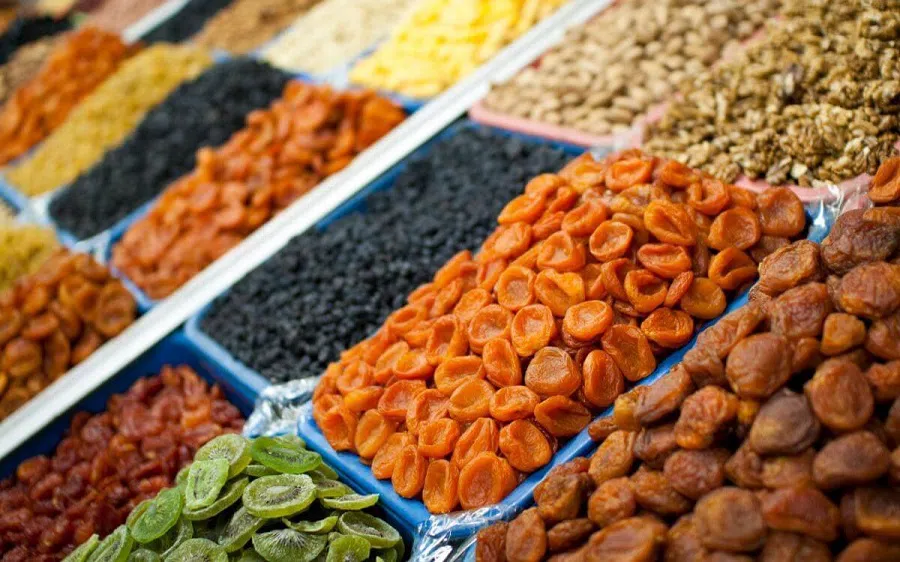
Dried figs are a natural energy source, rich in fiber, calcium, potassium, iron, and antioxidants. They strengthen the digestive system, promote bone and cardiovascular health, quickly restore energy, and are a natural, sweet, and healthy alternative to sugary sweets. ________________________________________
I. Selection and Preparation of Raw Materials
1. Fully Ripe, Healthy Fruit
Choose figs that are well-ripened, firm, but not overripe or mushy. The skin should be undamaged,
2. Cleaning
Wash in running, cool or warm water. If the fruit was poisoned by toxic chemicals, it is better to soak it in salt water for 1 hour, in this case, chemical residues and heavy metals are removed from the skin (1 tablespoon of salt is dissolved in 10 liters of warm water).
3. Blanching
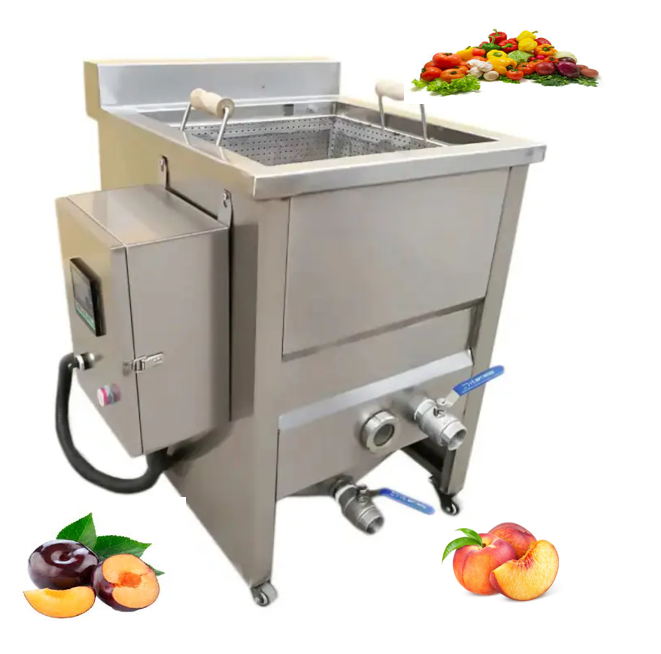
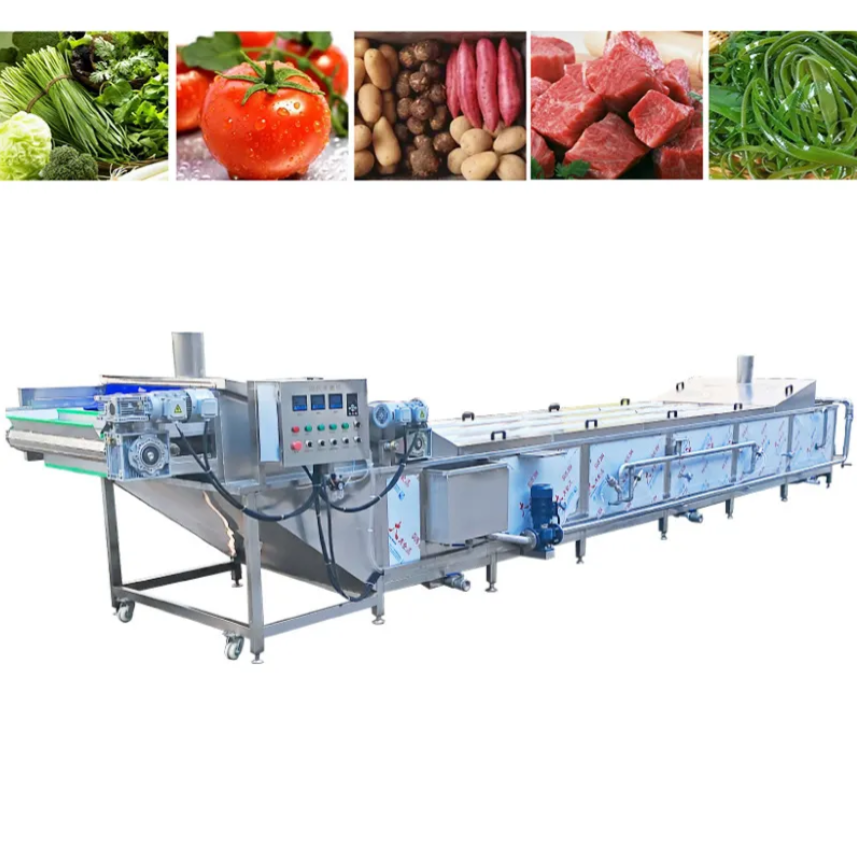
—Put the fruit in boiling water for about 3-5 minutes — this is enough to soften the skin and reduce the number of microorganisms.
— Then quickly remove and cool (for example, under running water or in ice water) to stop the cooking process.
4. Puncture / Flattening
The cooled fruit is pierced with a large needle or awl to facilitate the drying process and start the drying process. Then, press it with a flat surface (even a glass) to give it a flat shape.
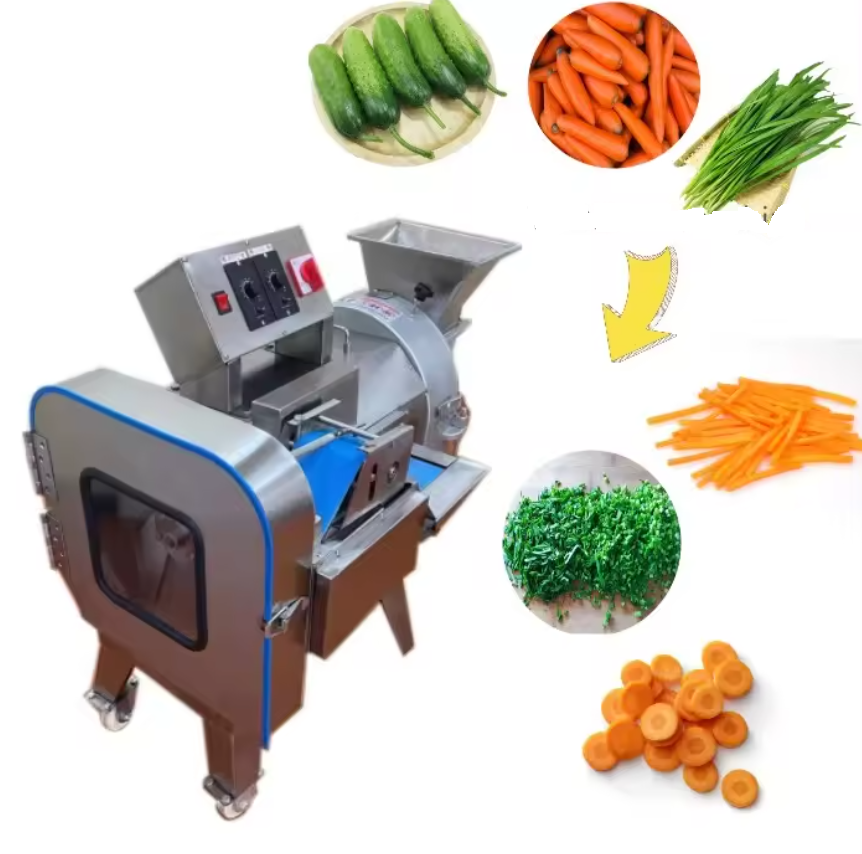
5. Cutting into pieces (if necessary)
If the fruit is large, it can be cut into two equal parts. In this case, the drying process will be accelerated. The cut side for drying is placed on top to prevent juice from spilling,
________________________________________
II. Drying process
6. Drying unit / equipment preparation
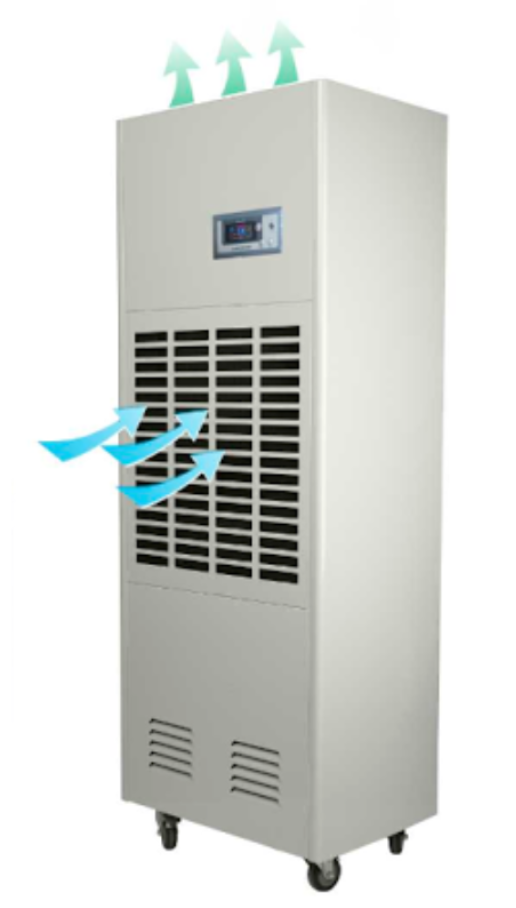
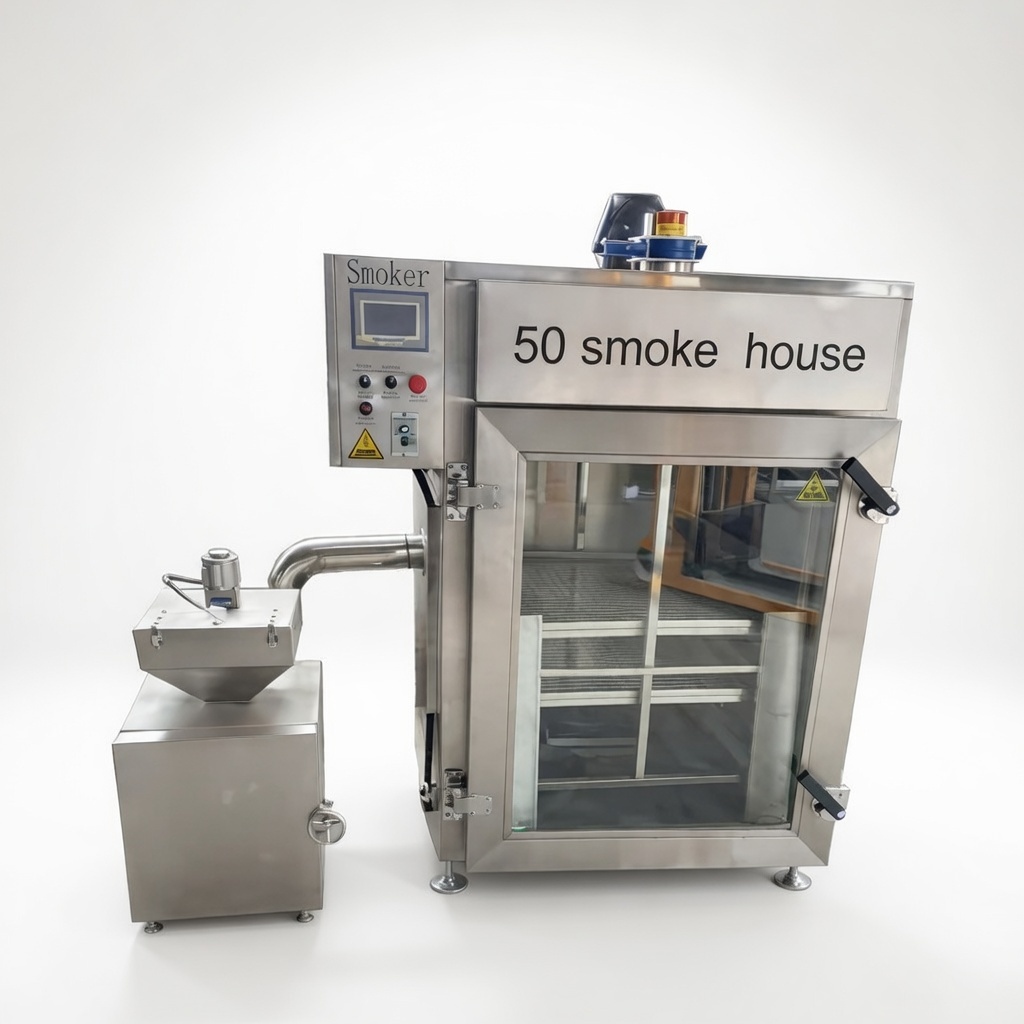
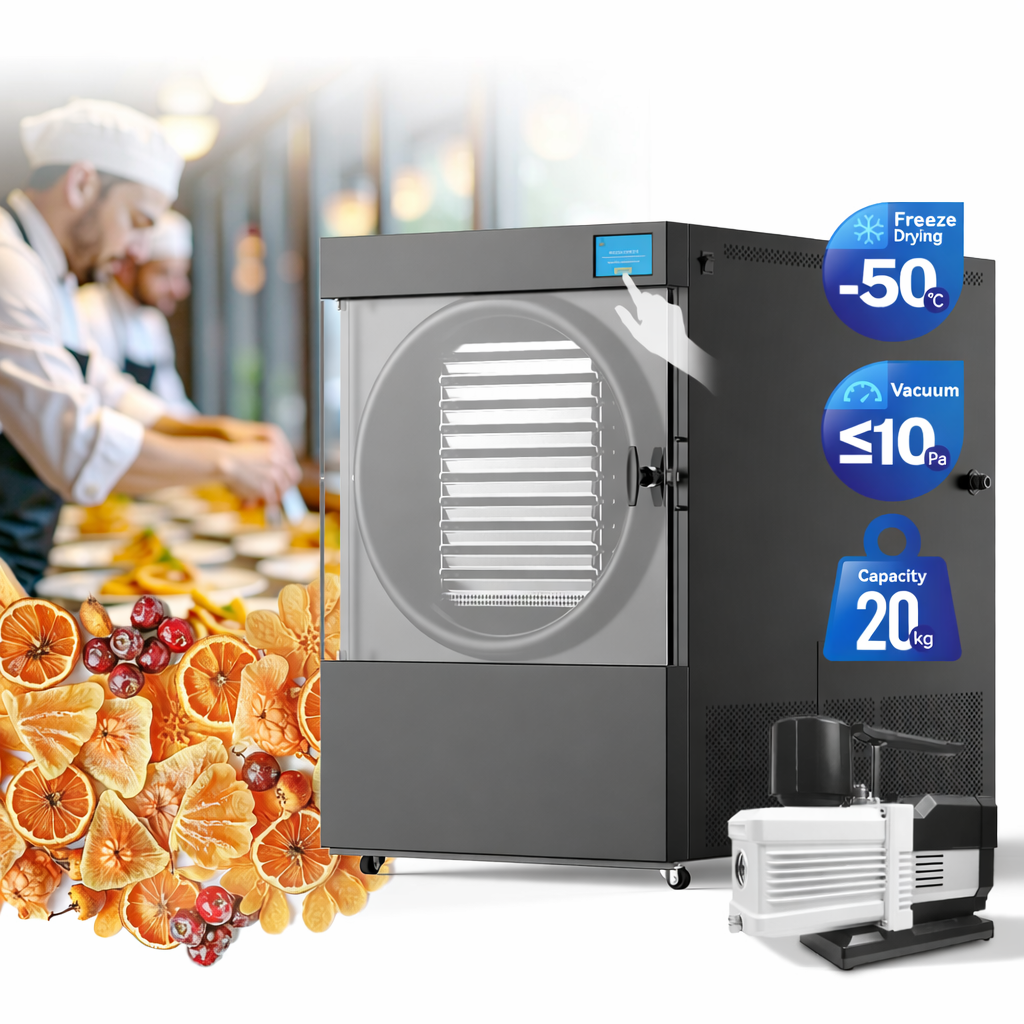
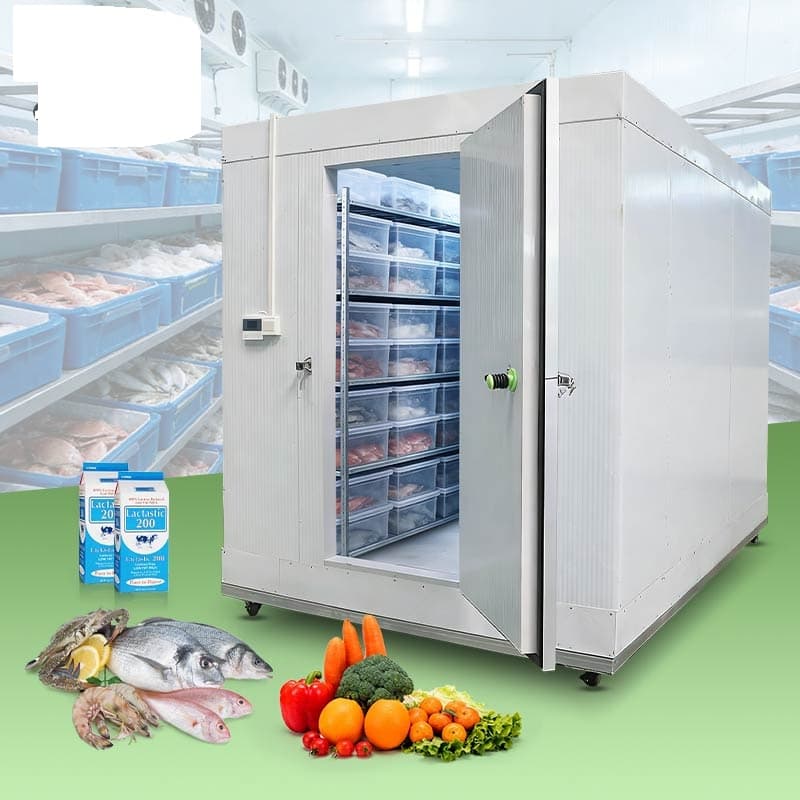
- In the drying unit, along with the main units, include an additional air outlet to prevent condensation and reduce the risk of rot and mold.
Drying temperature
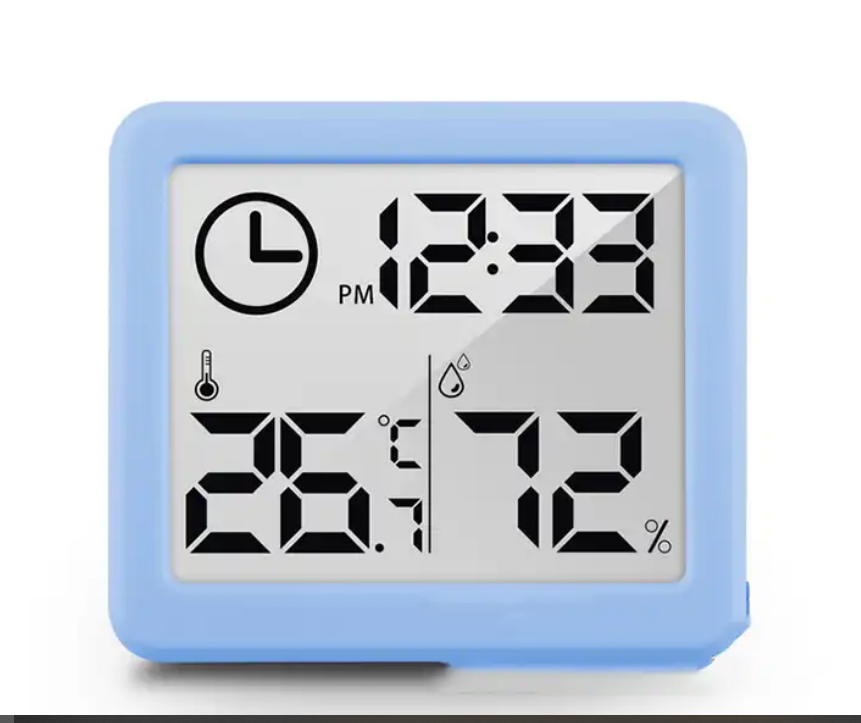
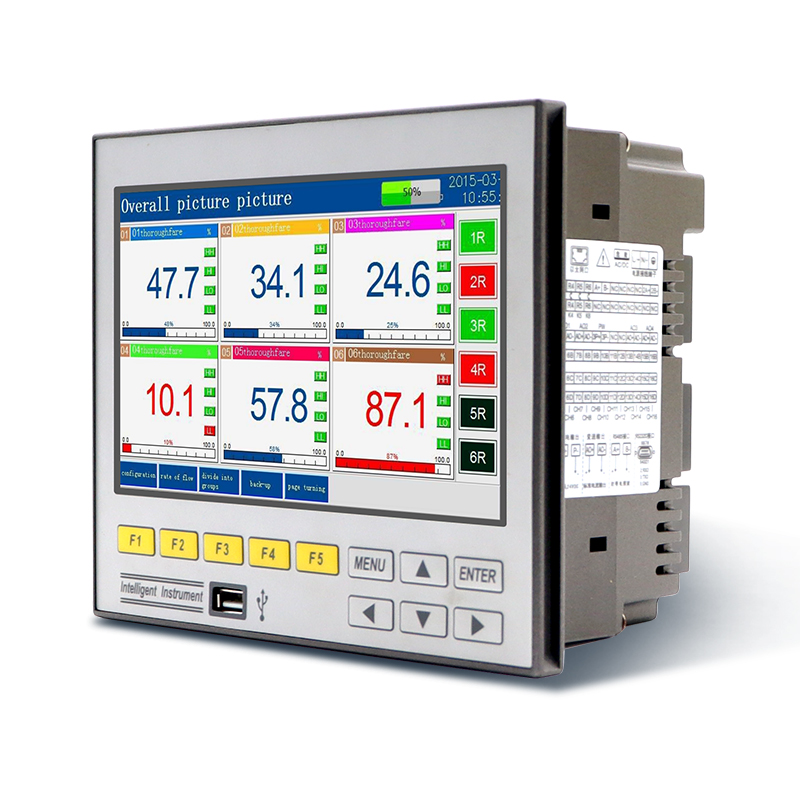
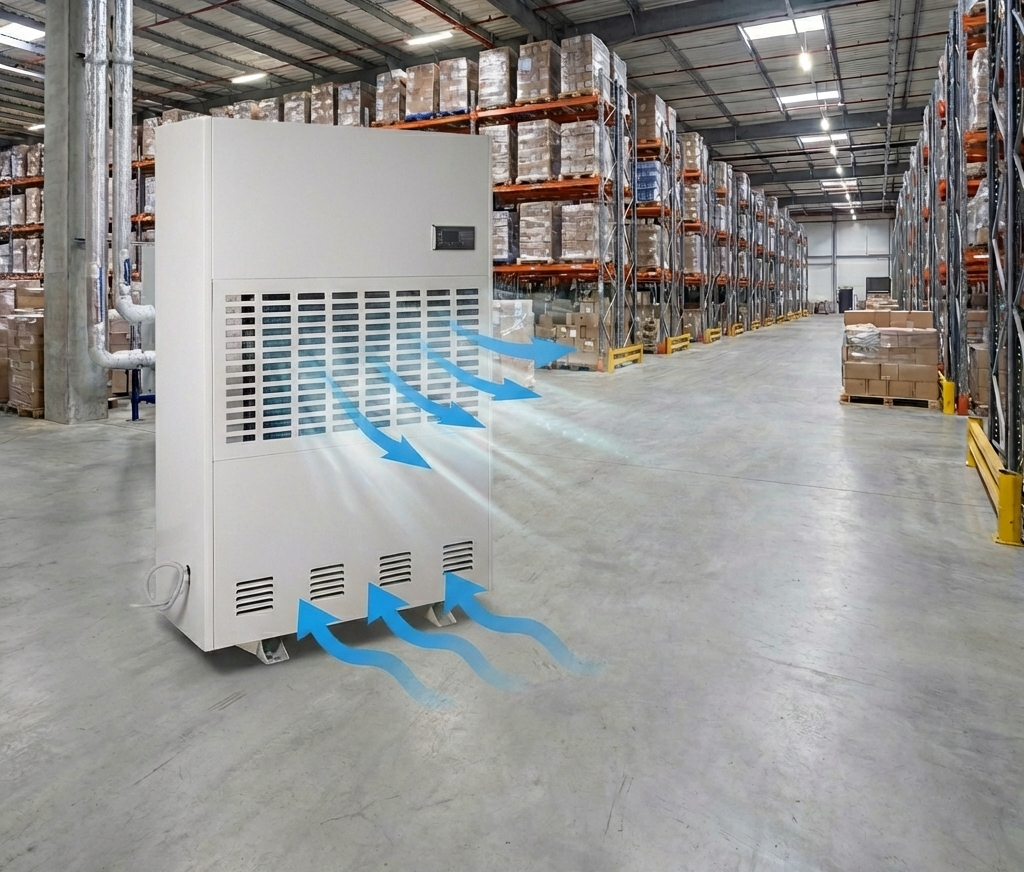
— Use a temperature of ~ 50-55 °C. If the temperature is too high (> 60 °C), external mold may develop, which will hinder the drying of the inner part. — It is also important that the ambient humidity is low — RH (relative humidity) is preferably < ~60-65%. For this, you can use a special hygrometer for the drying room.
7. Drying duration
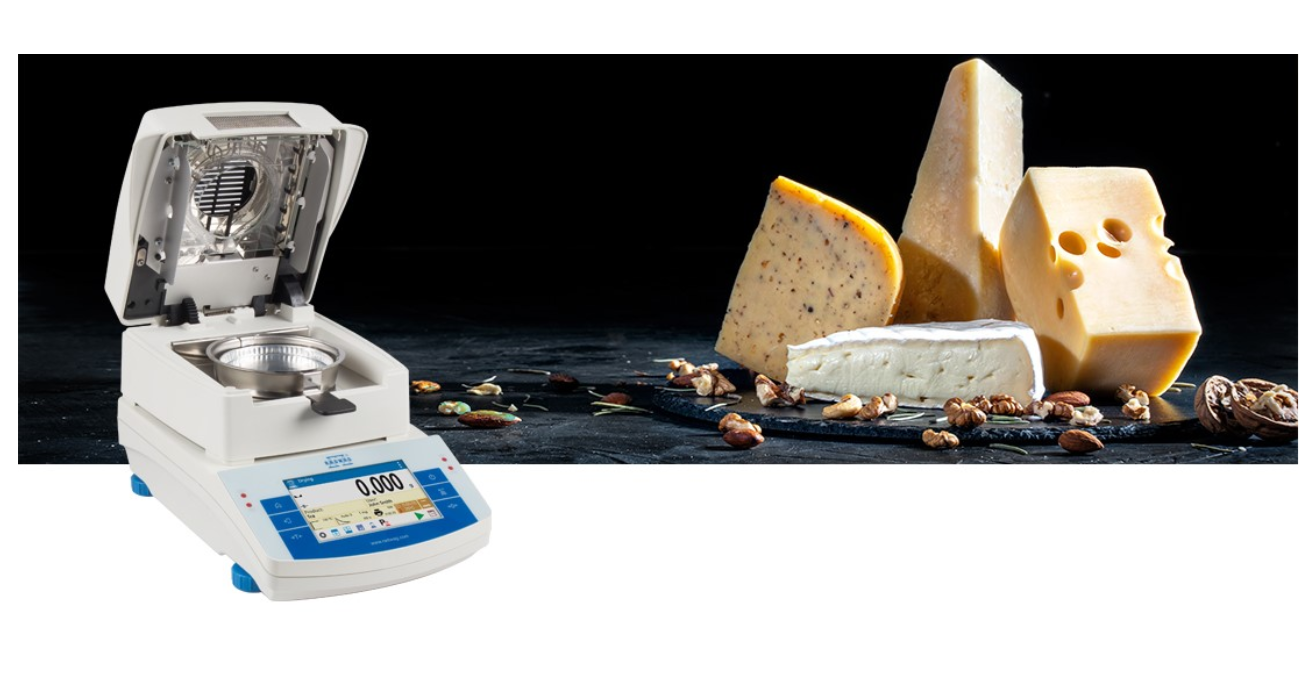
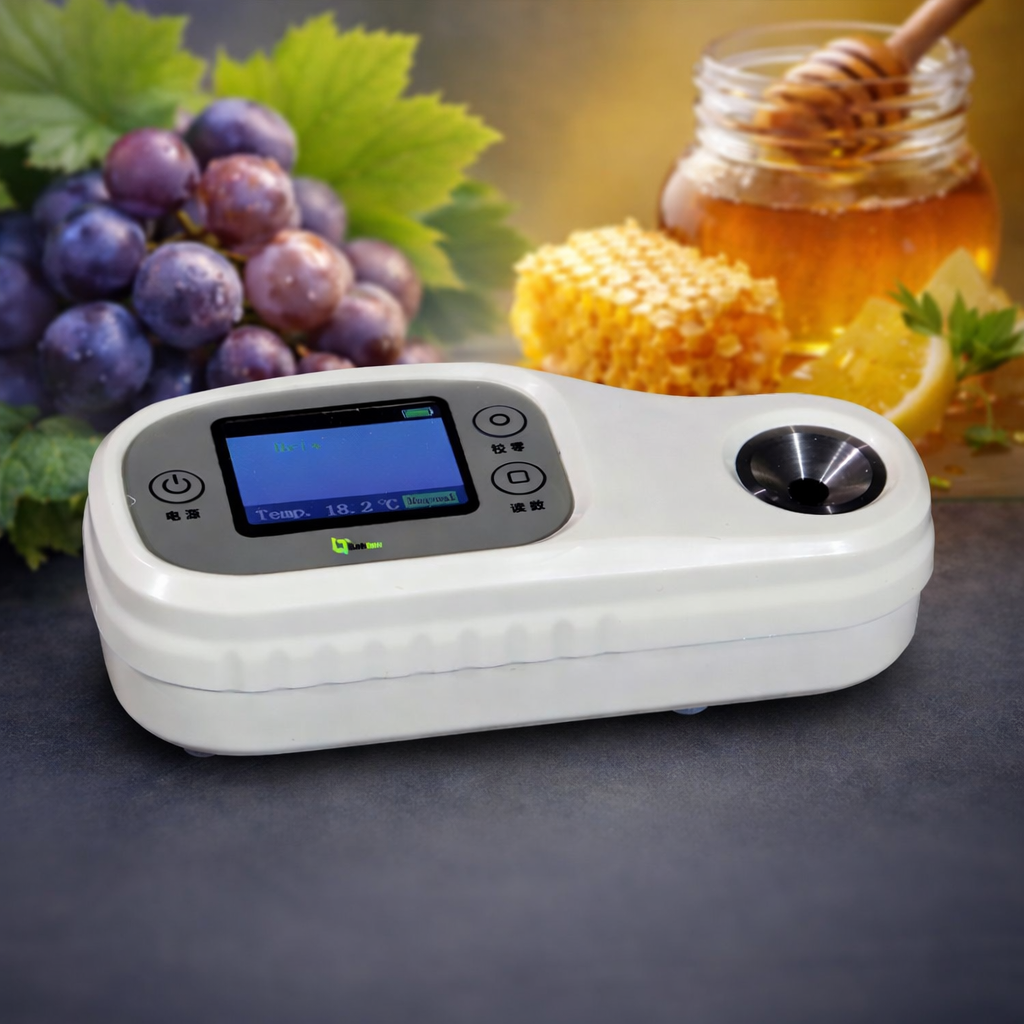
— Approximately ~ 28-32 hours; Periodically check the moisture indicator to see how quickly the percentage of water is being lost. At the final stage, the fruit should be moderately moist, but no longer wet.
8. Drying stages
— The pieces should not be stacked on top of each other; they should be arranged in a single layer, evenly.
— Turn the fruit over periodically to dry both sides evenly.
— In the middle of the drying process, it is recommended to move the drying boards from top to bottom and vice versa to achieve even drying.
— If the fruits are uneven, smaller ones may dry faster, so we remove them from the dryer after drying.
________________________________________
III. Post-drying and storage
10. Cooling and conditioning
— After drying, cool the fruit to room temperature, you can also use a stainless steel table for cooling dried fruit.
— Then place in a container or bag that is protected from moisture, but not airtight, for a few days — open or close lightly — and turn once or twice a day to evenly distribute the remaining moisture throughout the fruit.
11. Packaging
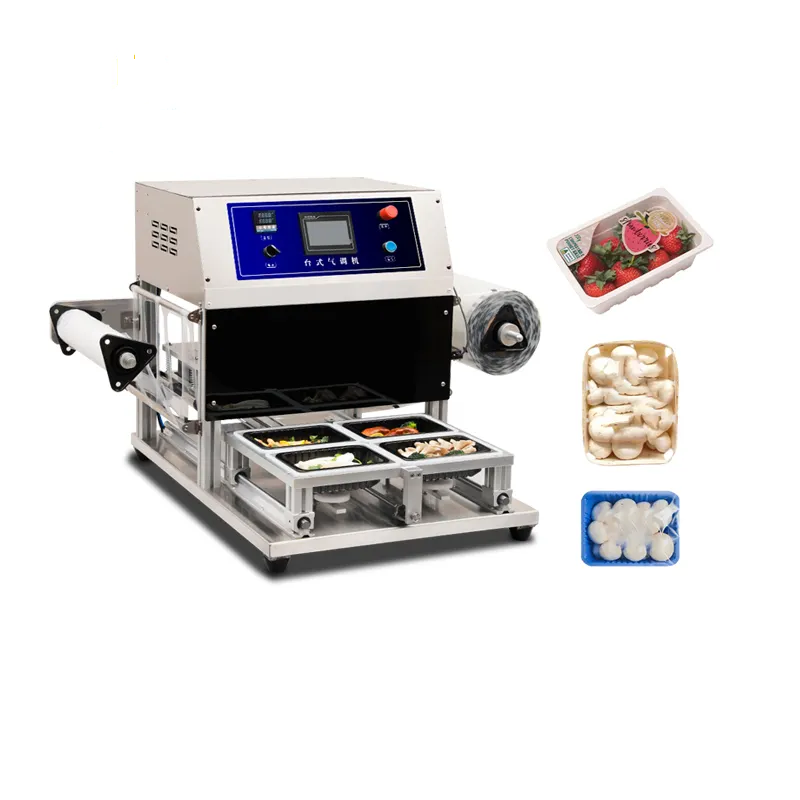
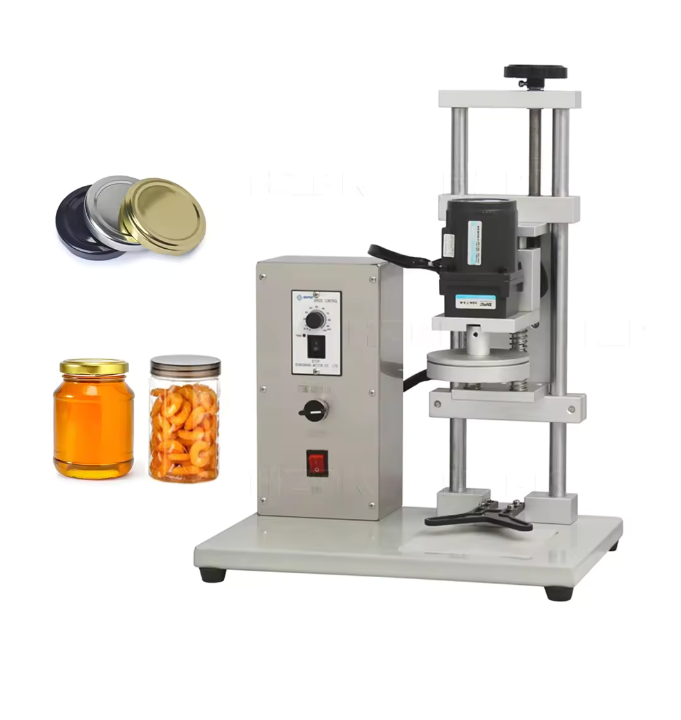
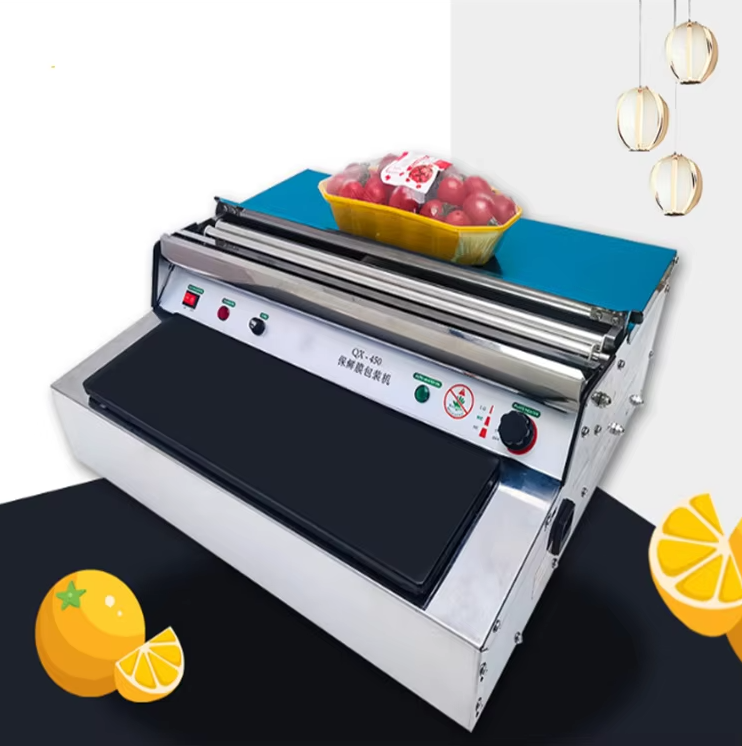
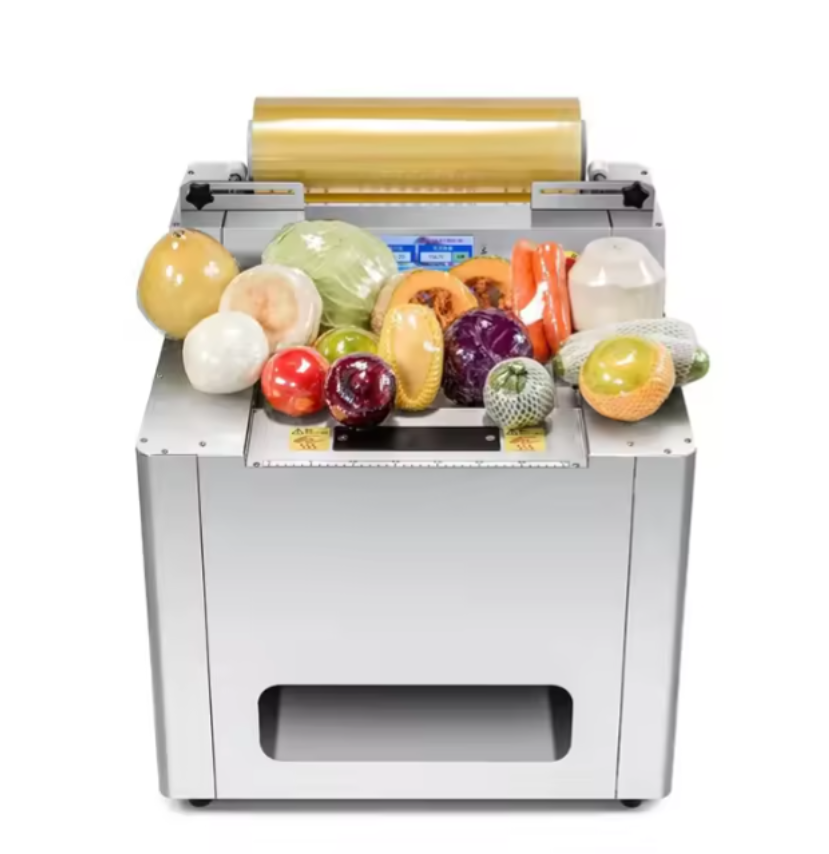
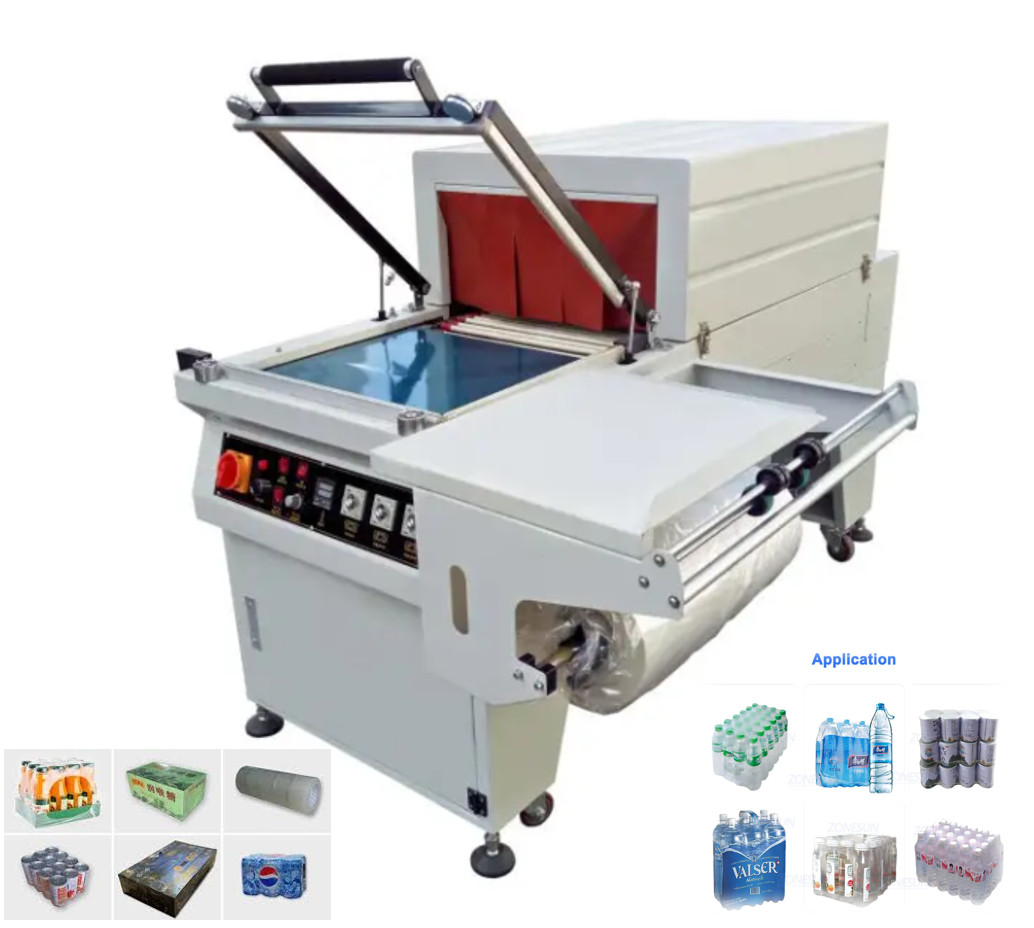
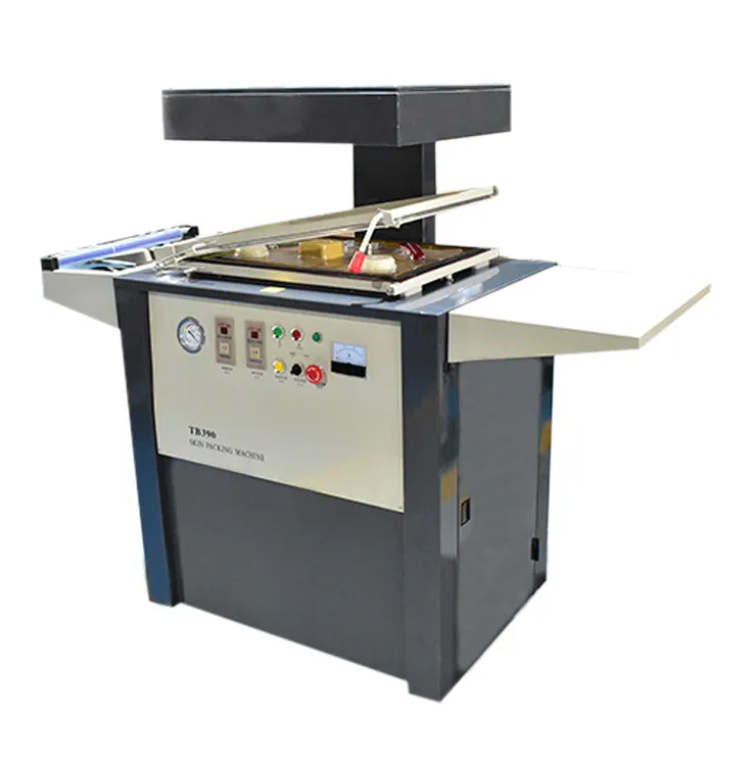
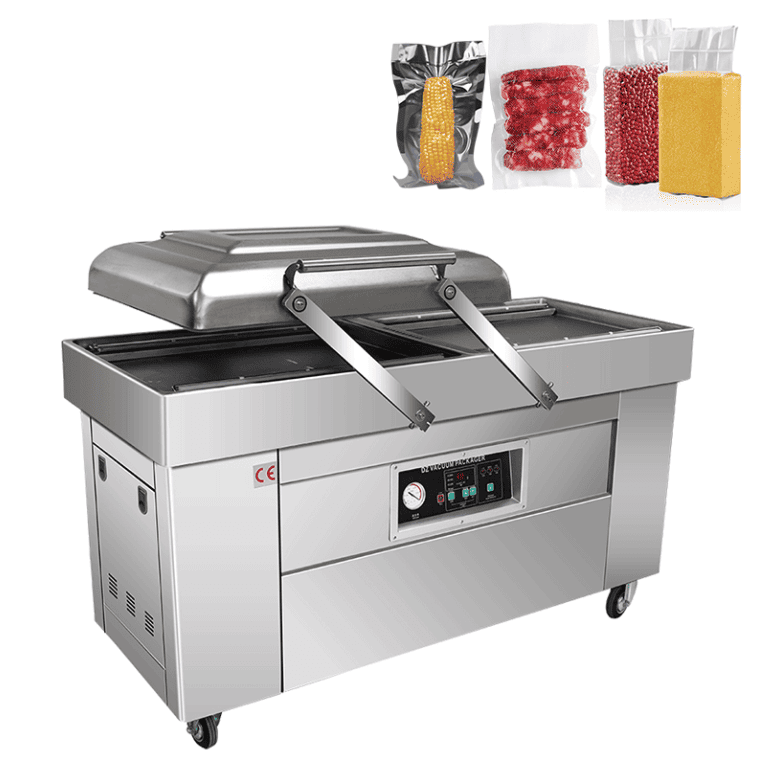
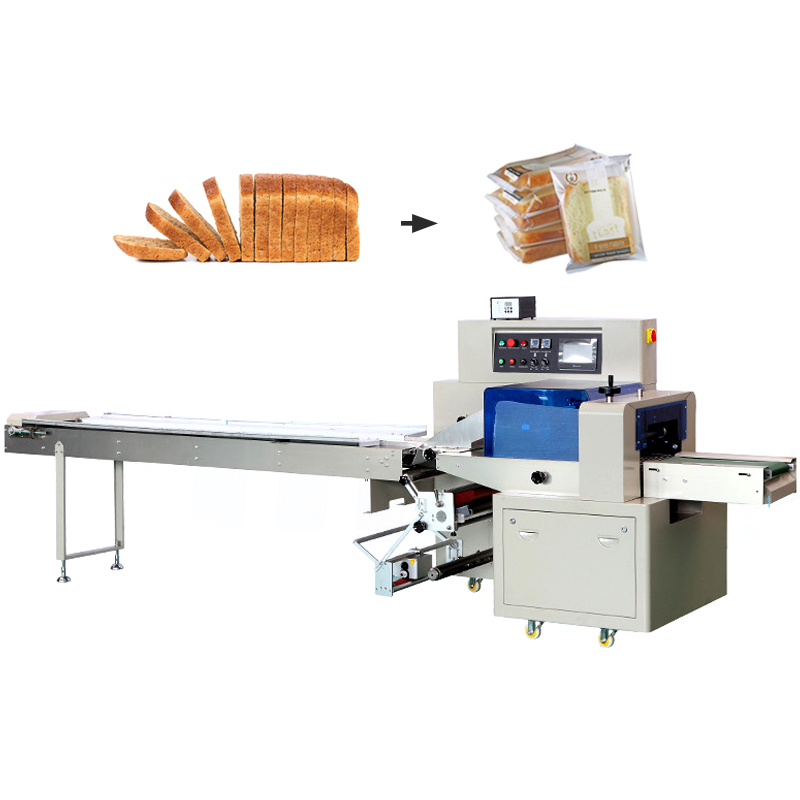
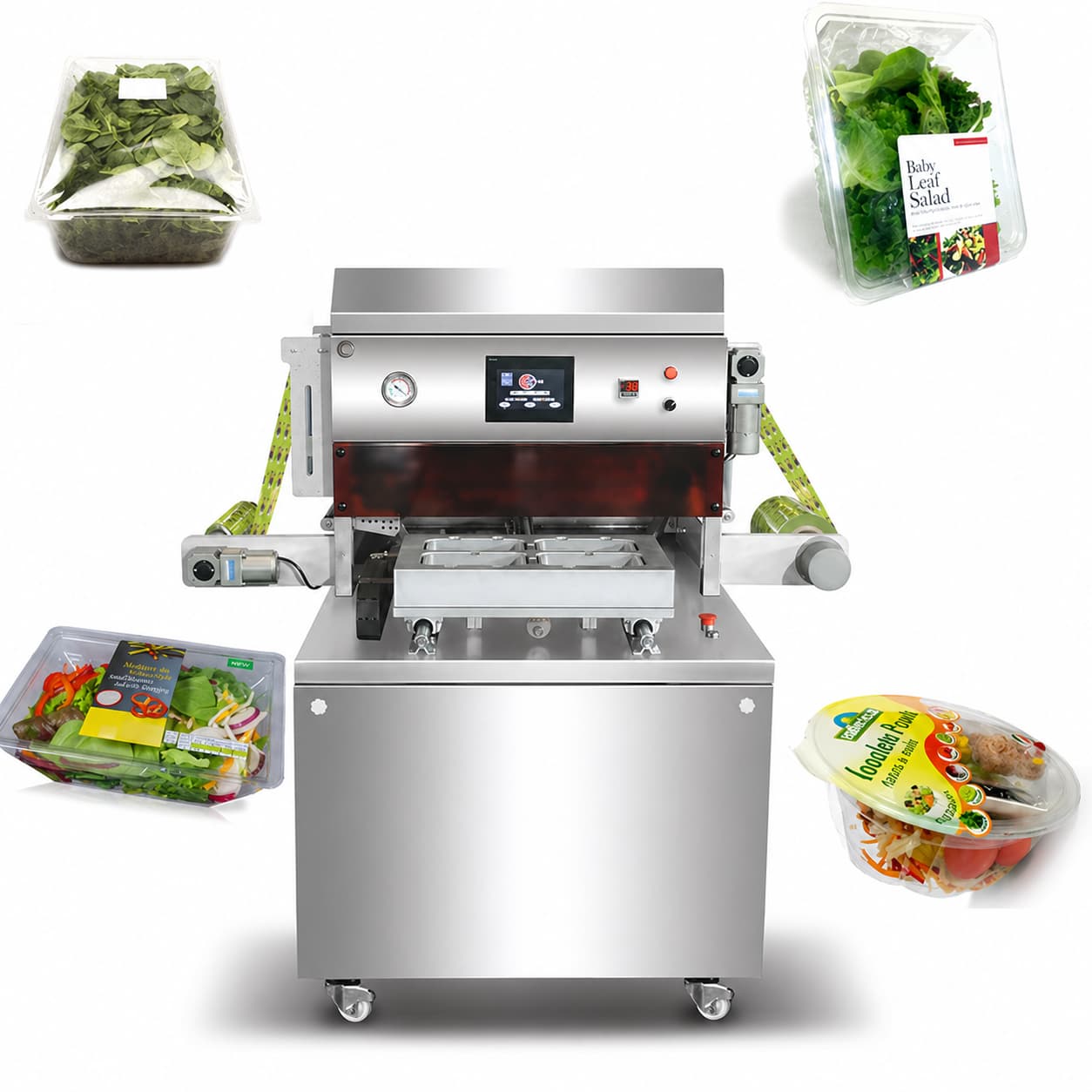
— Use vacuum if possible.
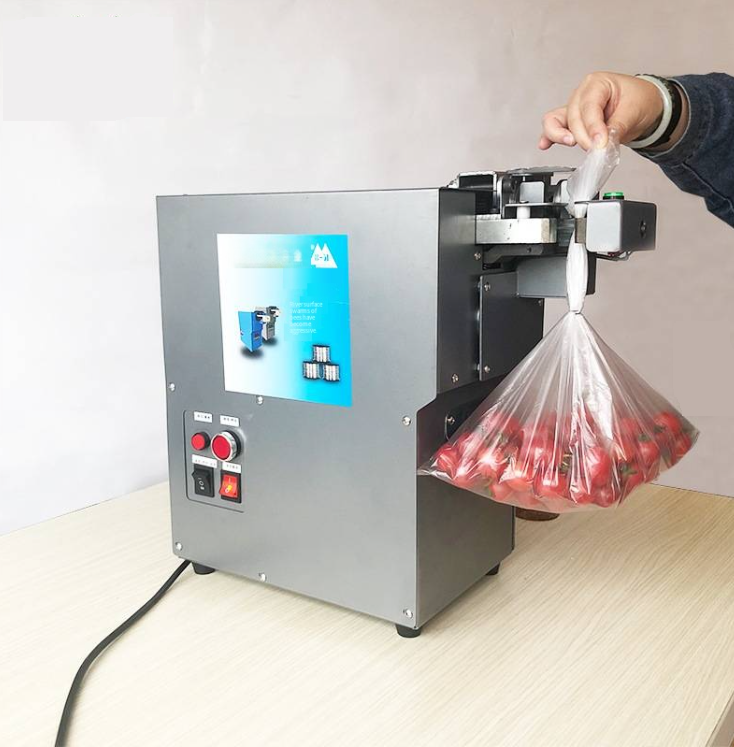
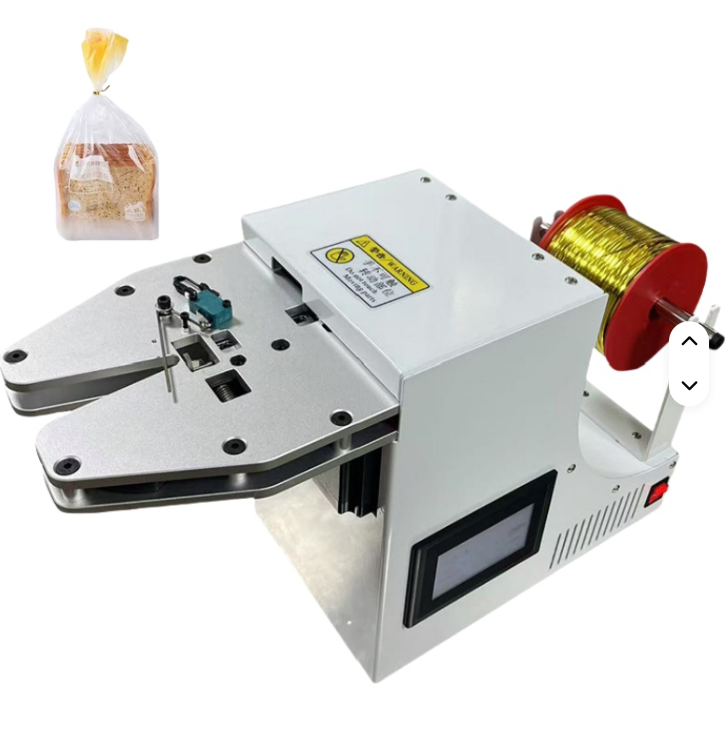
— Aluminum bags / blocked polyethylene / exclude air and moisture.
— If using plastic containers. Make sure they are sealed tightly.
12. Storage conditions
— Dark environment — should be protected from direct sunlight.
— Cool: ideal temperature ~15-25 °C or lower if the storage period is long.
— Low humidity — directly in areas where air circulates and moist air does not enter.
— It is preferable to use an opaque storage container.
— Avoid strong odors. Dried fruits easily absorb odors and flavors from the environment.
13. Shelf life
— 6-12 months is possible if storage conditions are observed at ~15-25 °C .
— Plus, if you use a refrigerator and use appropriate packaging, you can extend the shelf life to 2 years at a temperature of +2- +7 °C
— But it is recommended to periodically check every 1-2 months to check for condensation, odor, signs of fungus, and moisture accumulation. (You can use a two-cell hygrometer to control the humidity in dried fruits)

