 +995598322377
 enlilifactory@gmail.com
 Login
Login Register



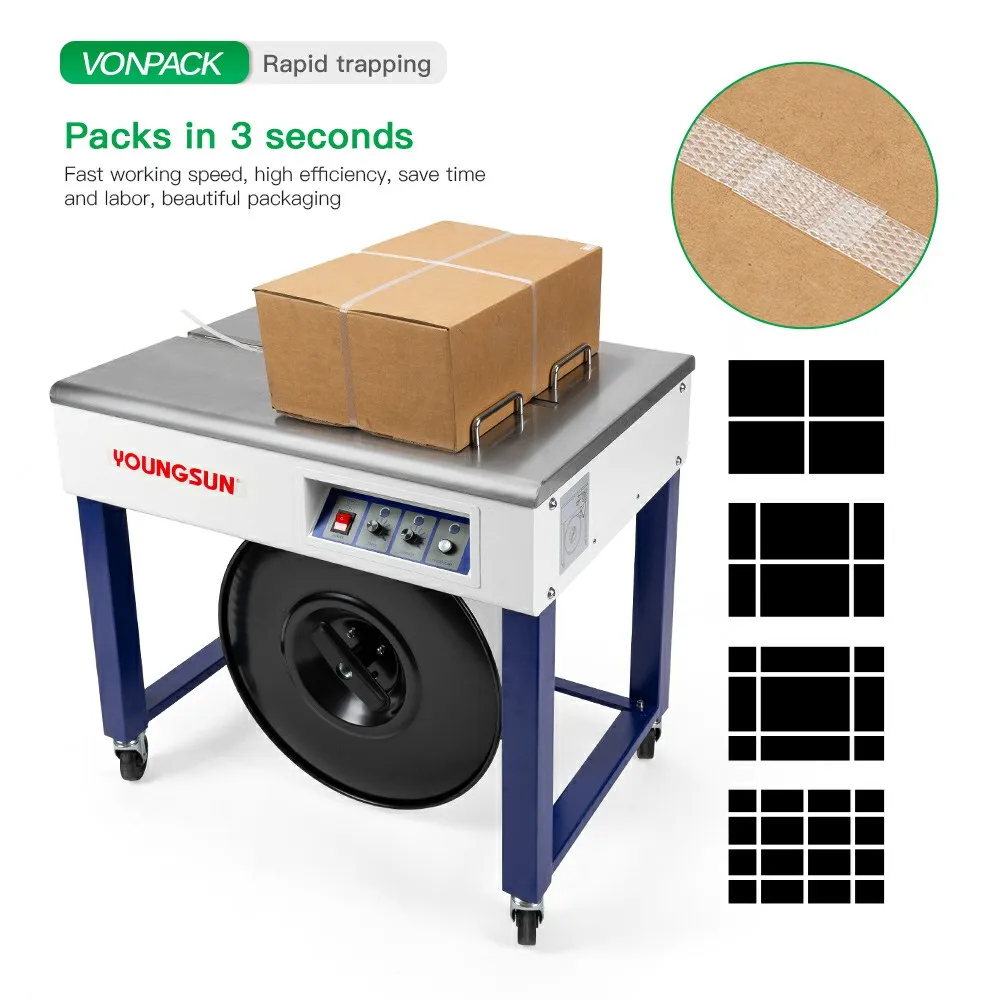
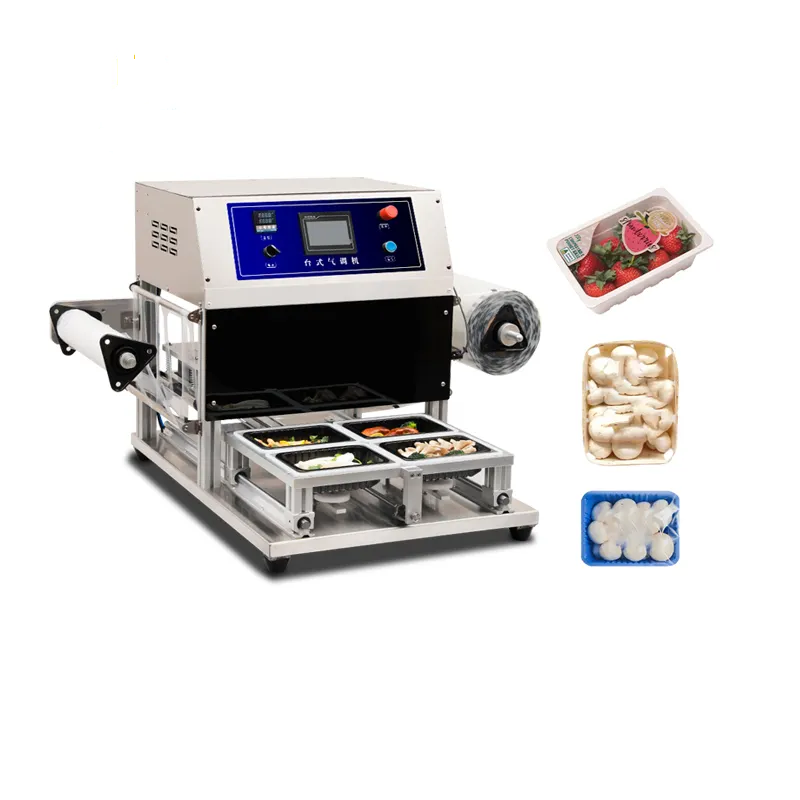
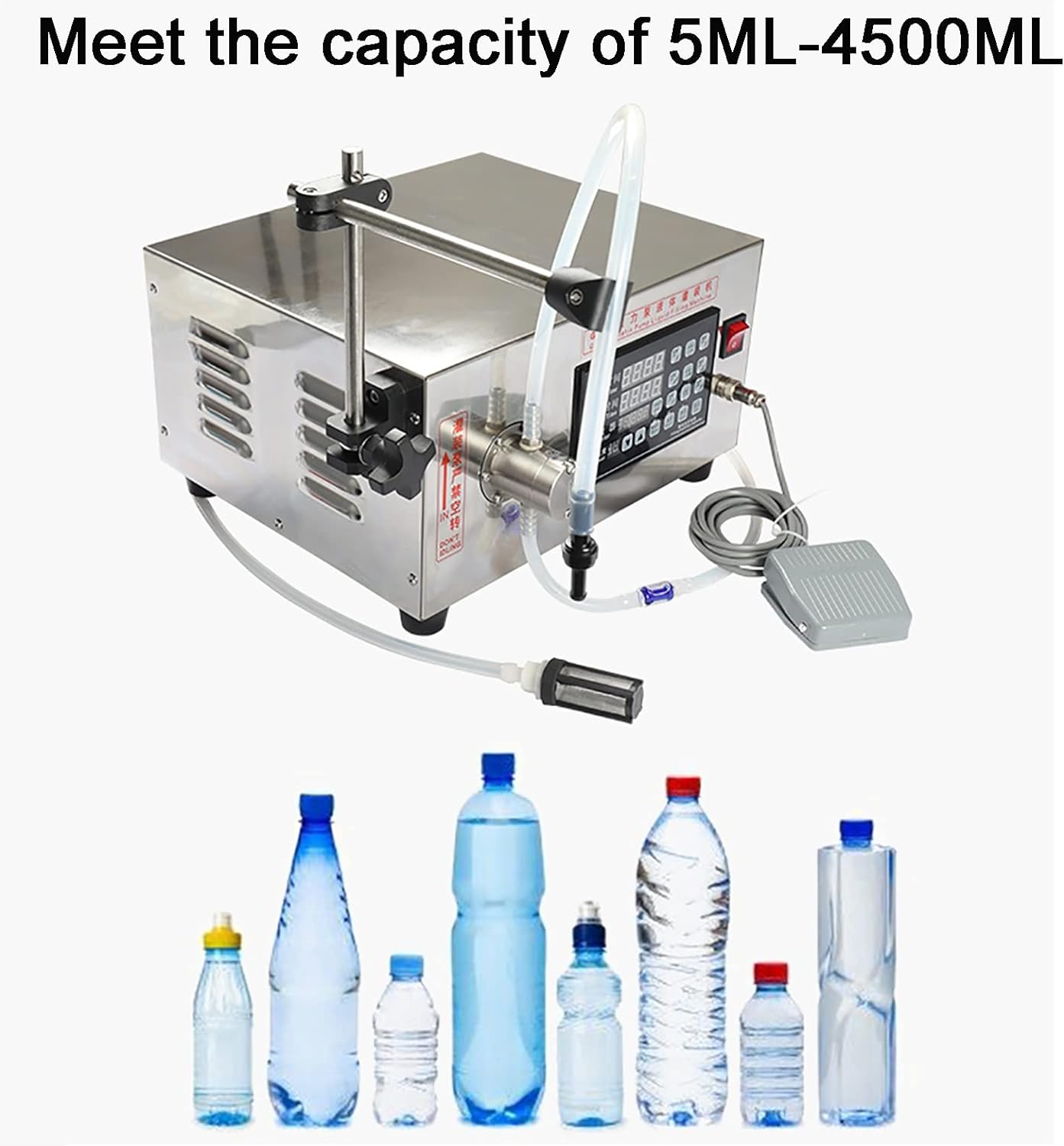
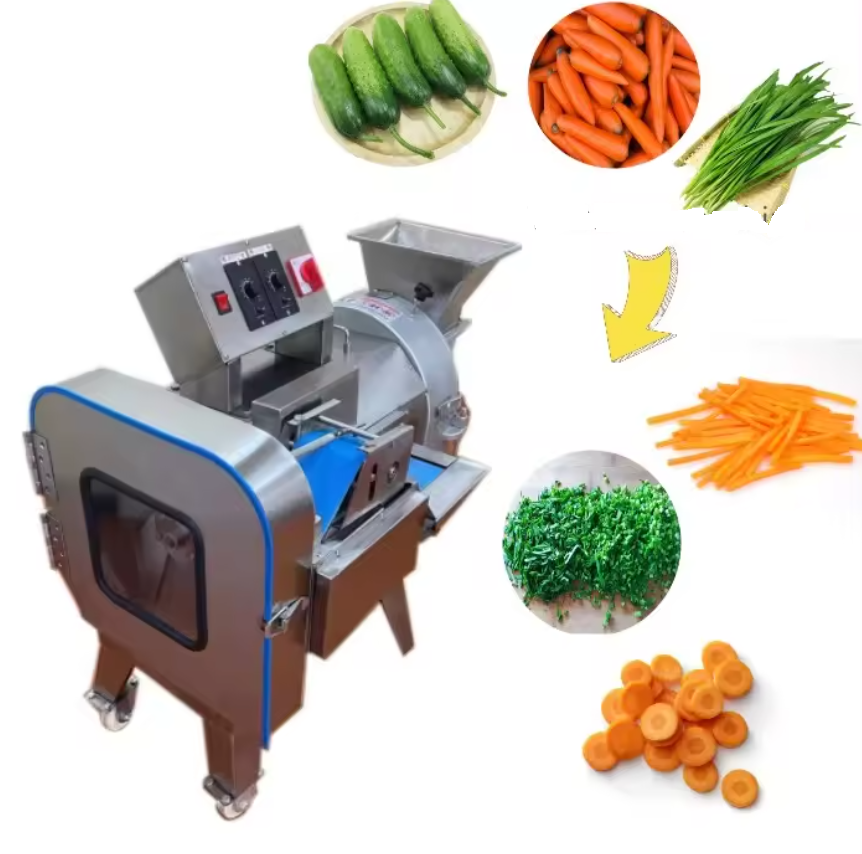

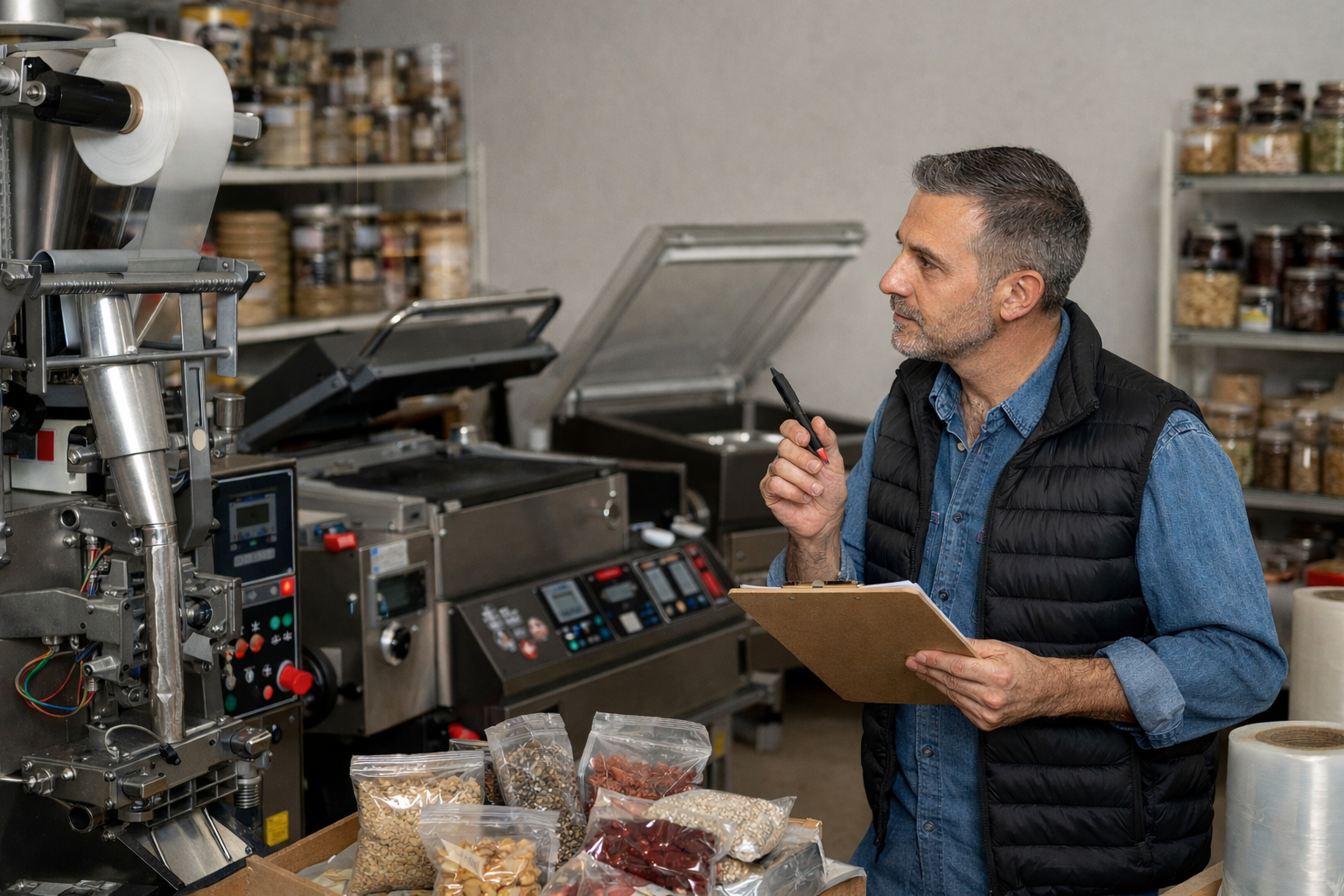
How to Choose a Packaging Machine for Small Production
A Practical Guide for Entrepreneurs
Introduction: Why This Choice Is Critical
One of the most common and costly mistakes when starting a small production is the wrong choice of packaging equipment.
Some entrepreneurs buy overly expensive equipment that cannot justify the real workload. Others buy too weak equipment, which causes production to be delayed for several months.
In practice, we often encounter such a picture: the product is good, there is demand in the market, but the packaging cannot keep up with the pace of production or does not meet visual and technical requirements.
In this article, we will explain step by step how to choose a packaging machine for small production so that it really suits your needs today and tomorrow.
1. Determine the type of product (the basis for everything)
Choosing a packaging machine always starts with one question:
What am I packaging?
The type of product determines the design, dosing method and packaging material of the machine.
Main categories:
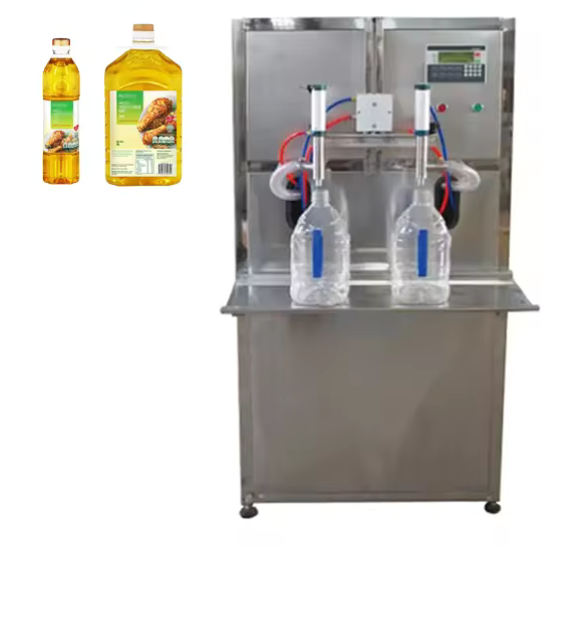
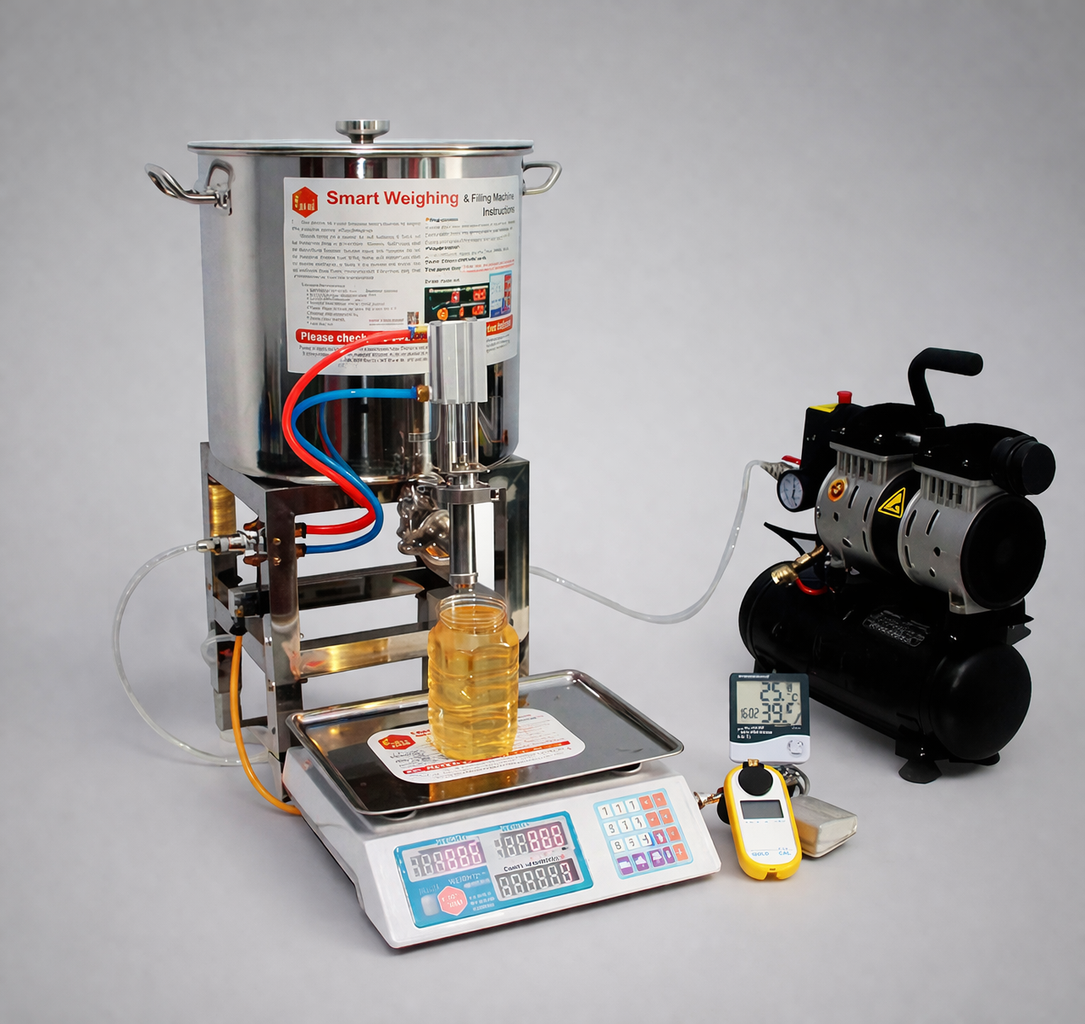
Liquid products – oil, sauce, beverage
Powder – flour, cocoa, spices
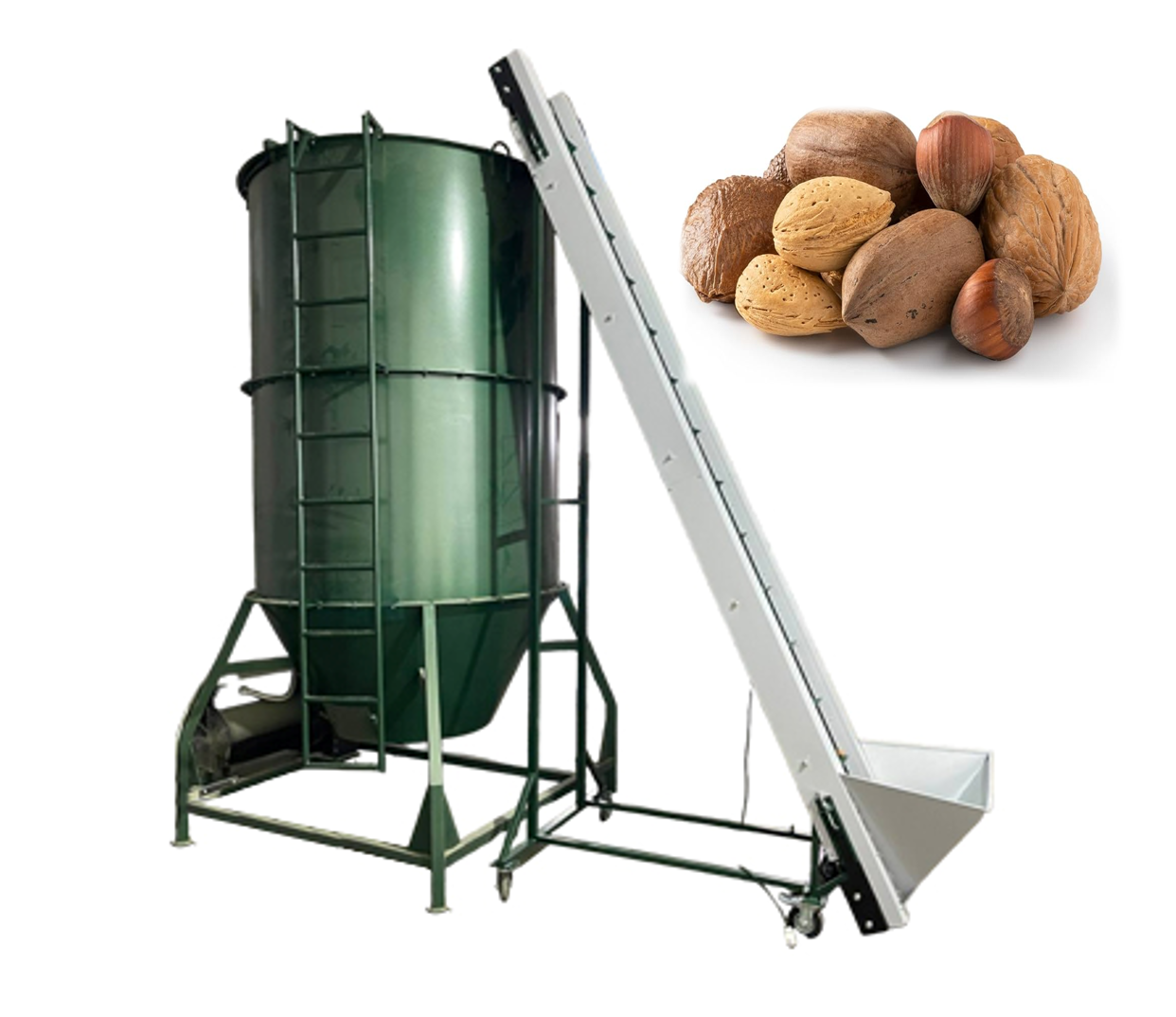
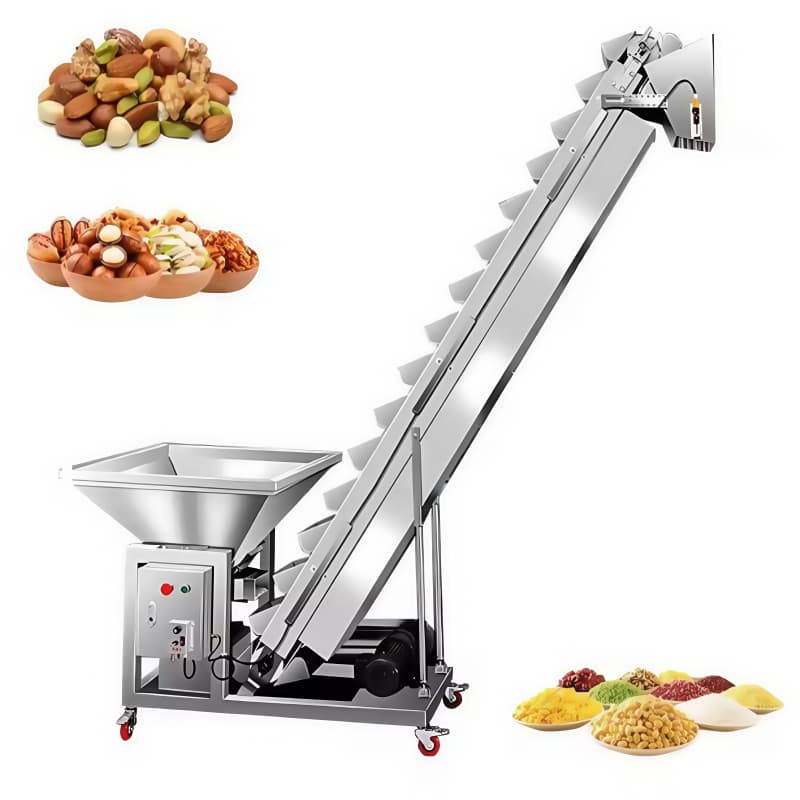
Granulated / granular – sugar, coffee, nuts
Solid products – beans, sweets, details
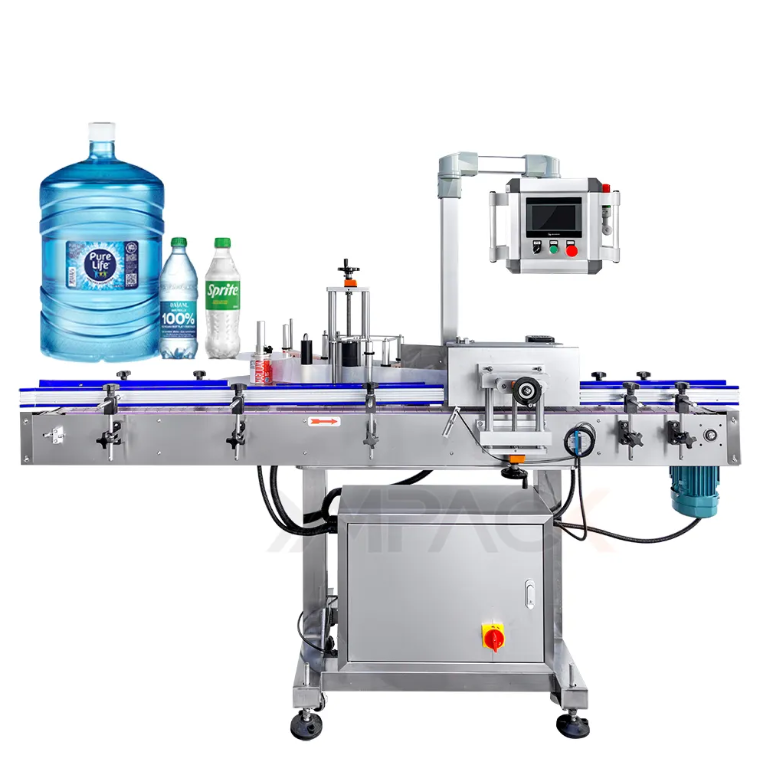
Bottles / containers – with labeling or shrink-wrap
📌 The same machine cannot serve all types of products with quality.
2. Main types of packaging machines
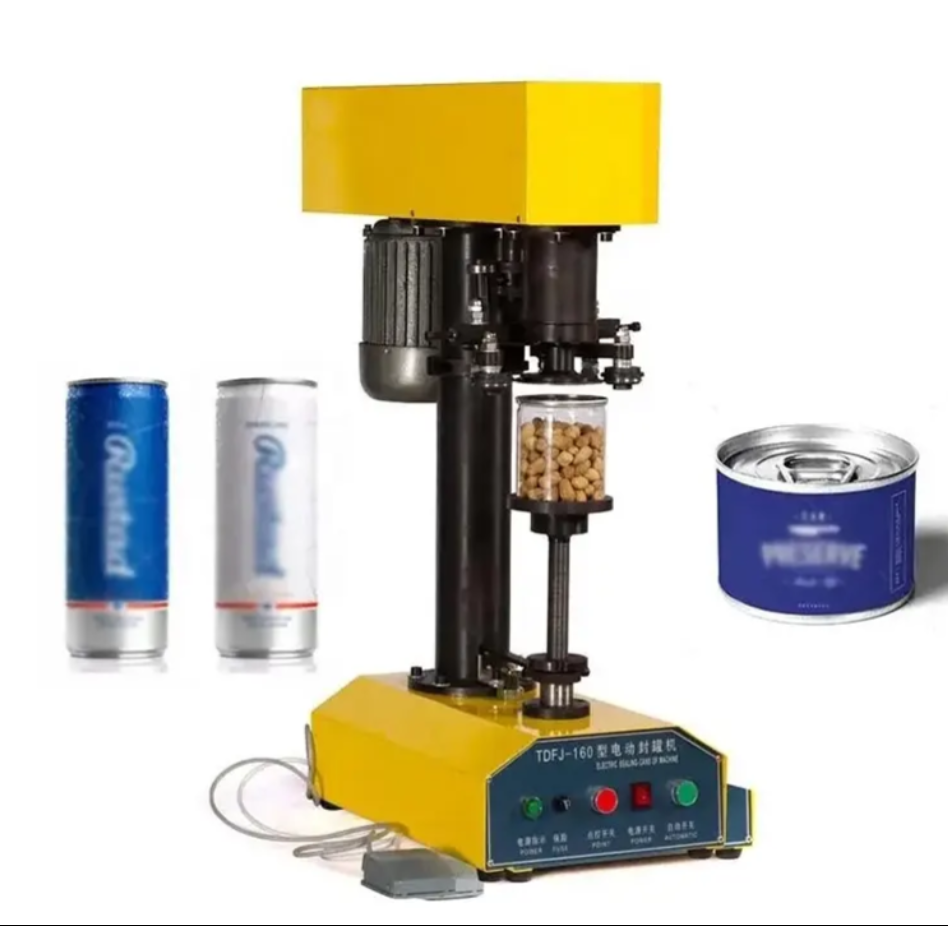
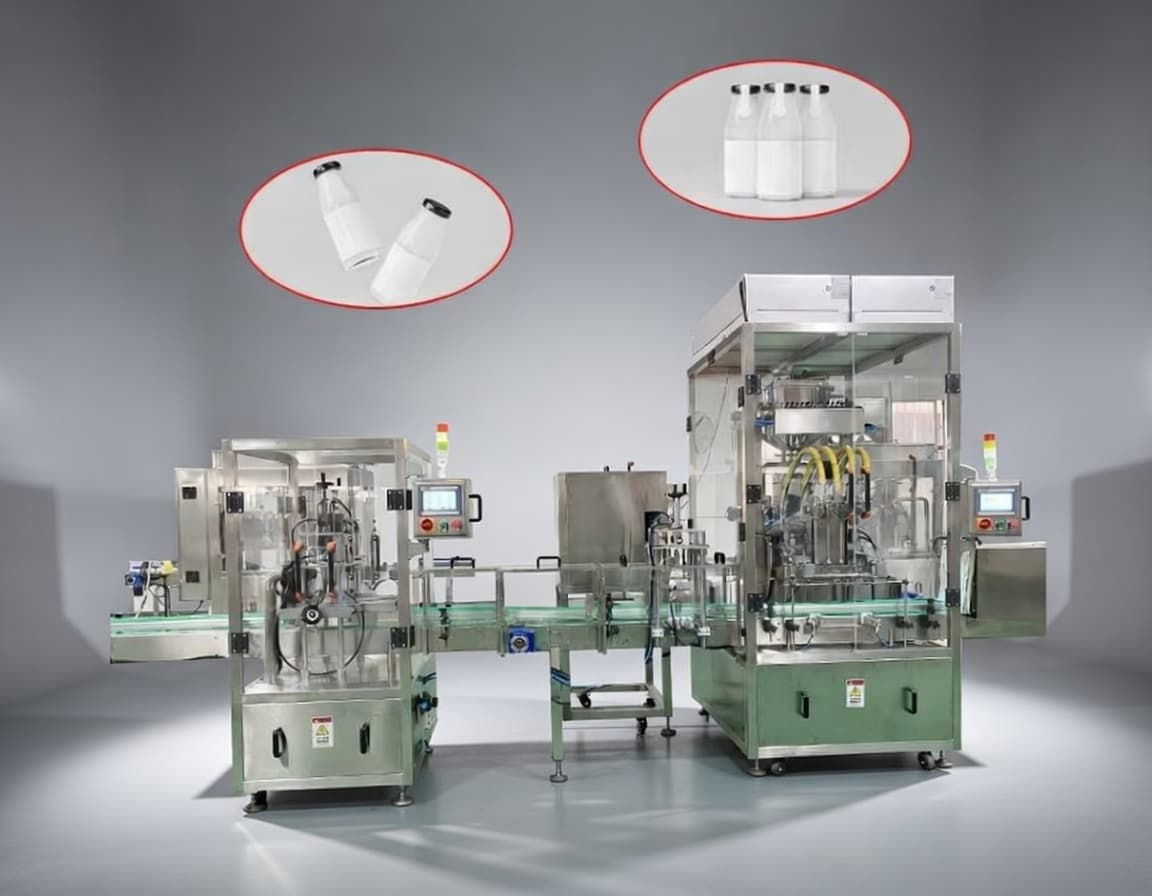
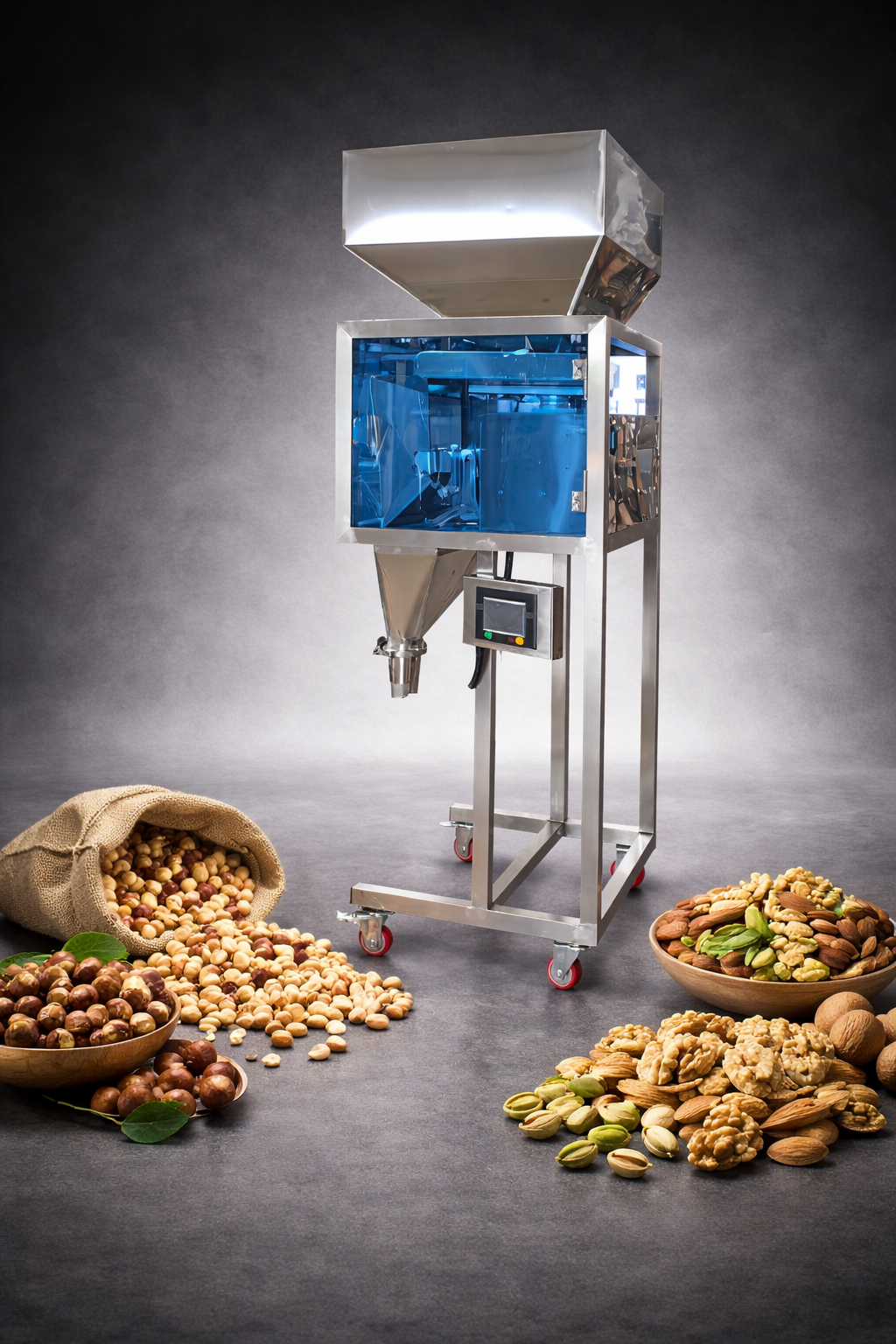
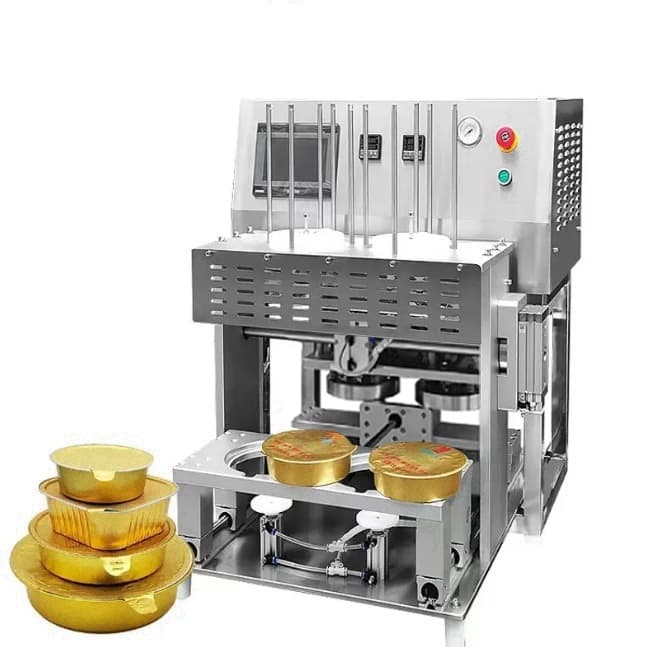
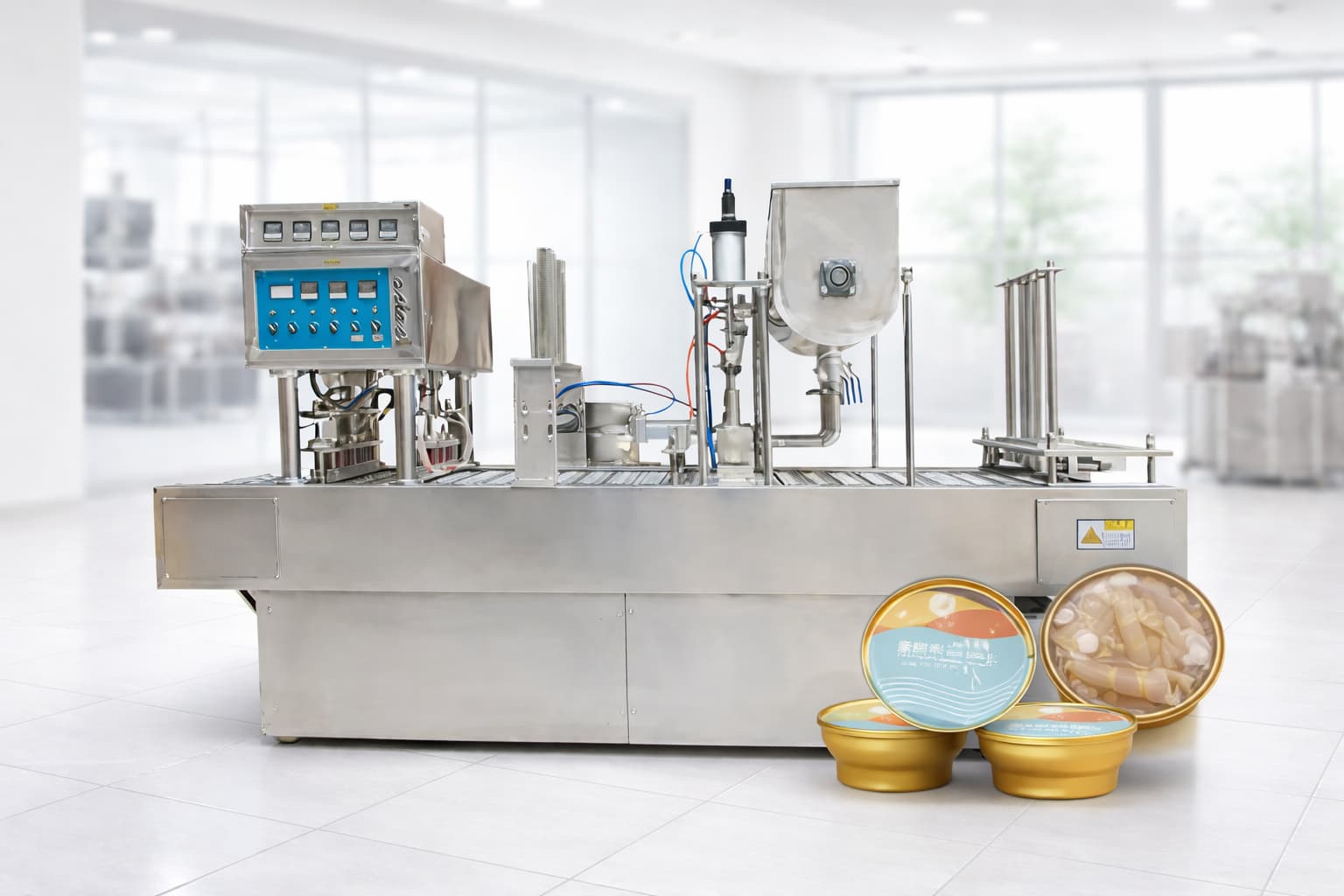
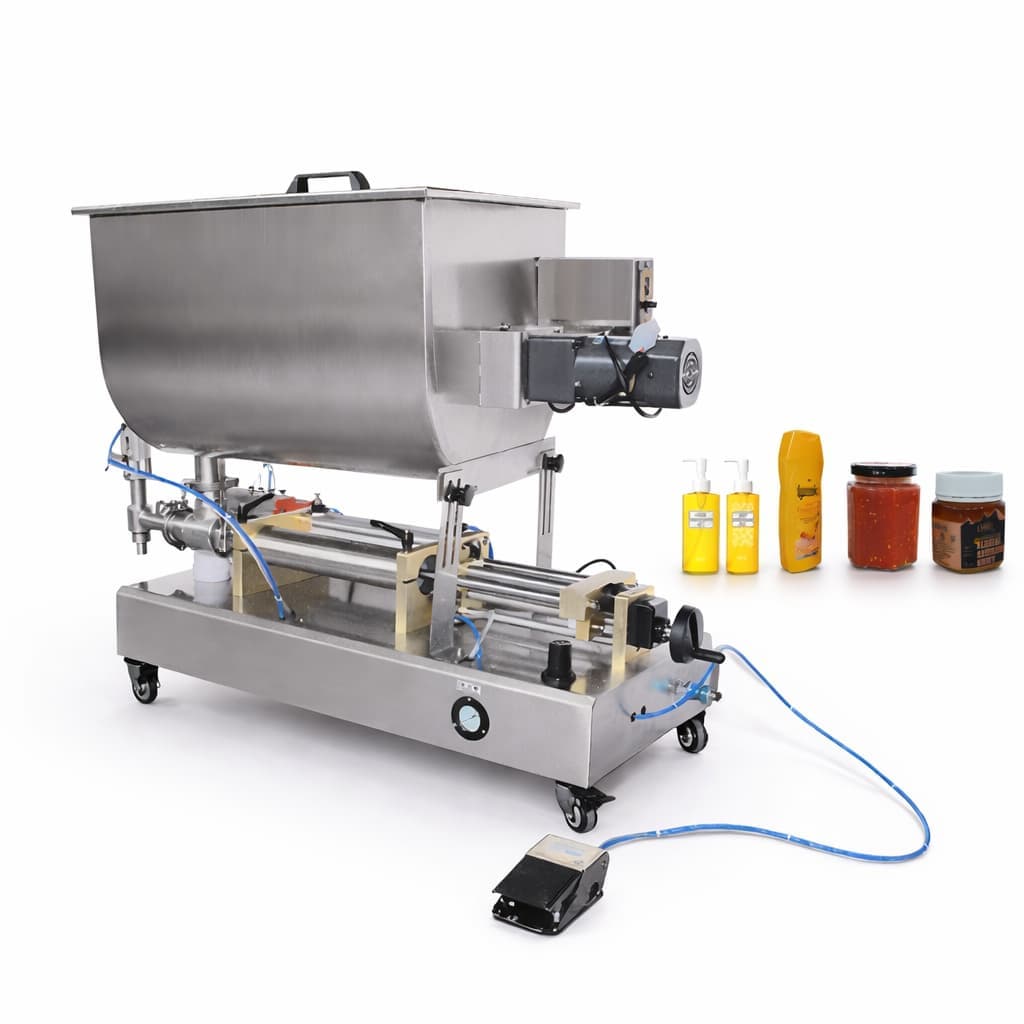
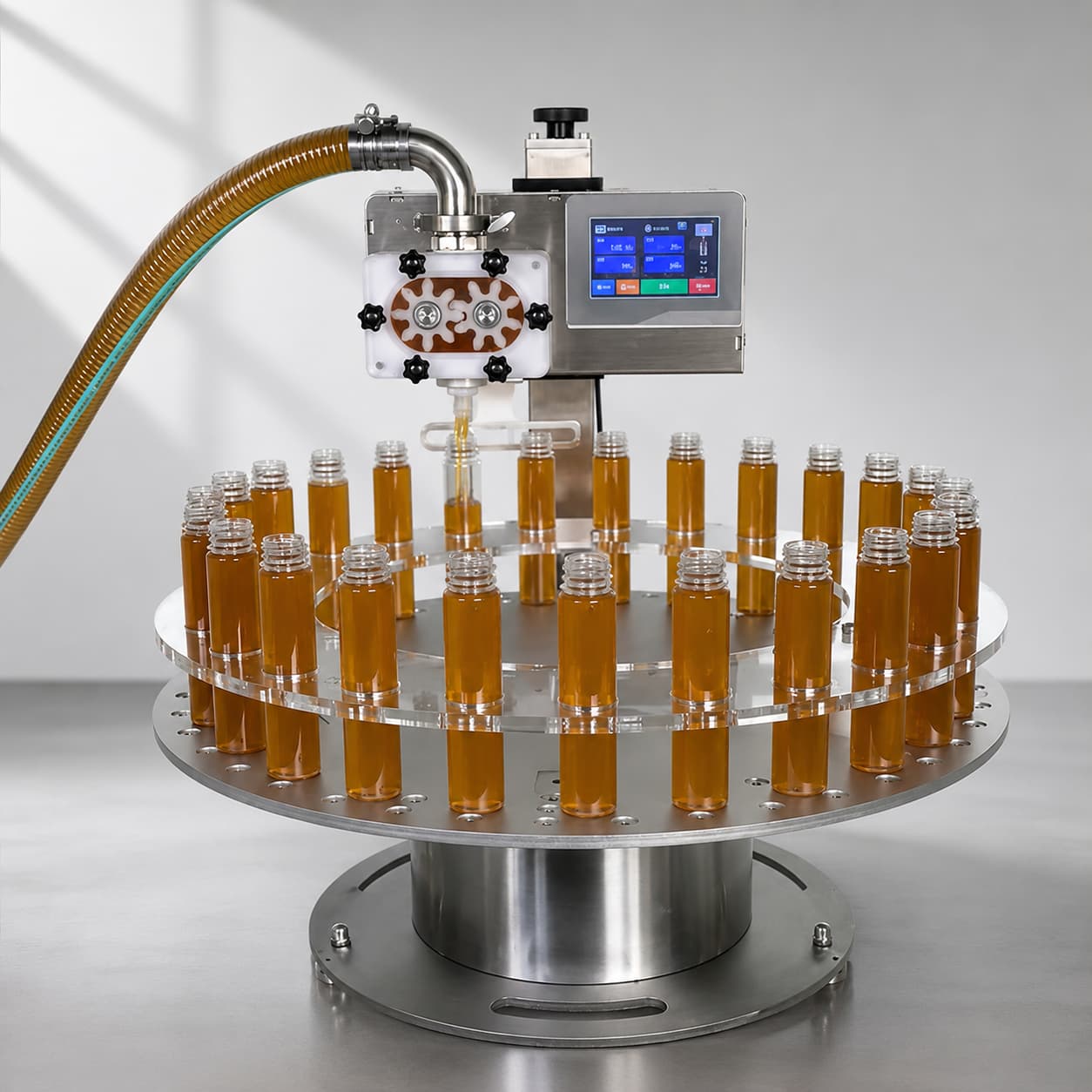
2.1 Filling and sealing machines (Filling & Sealing)
Used for dosing the product and hermetically closing the package.
Suitable for both liquid, powder and granular products.
When is it best:
If you need accurate dosing and easy operation in small batches.
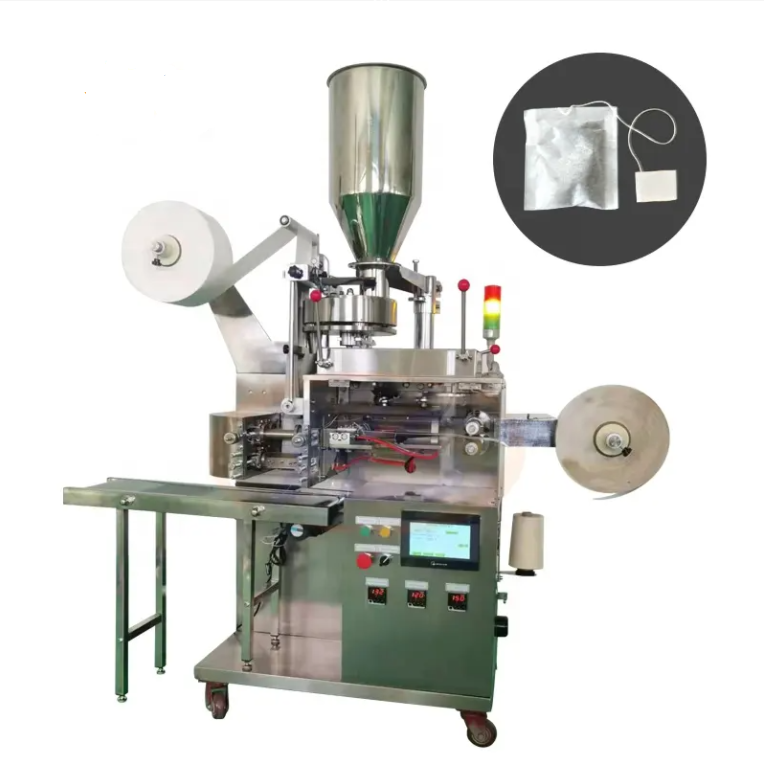
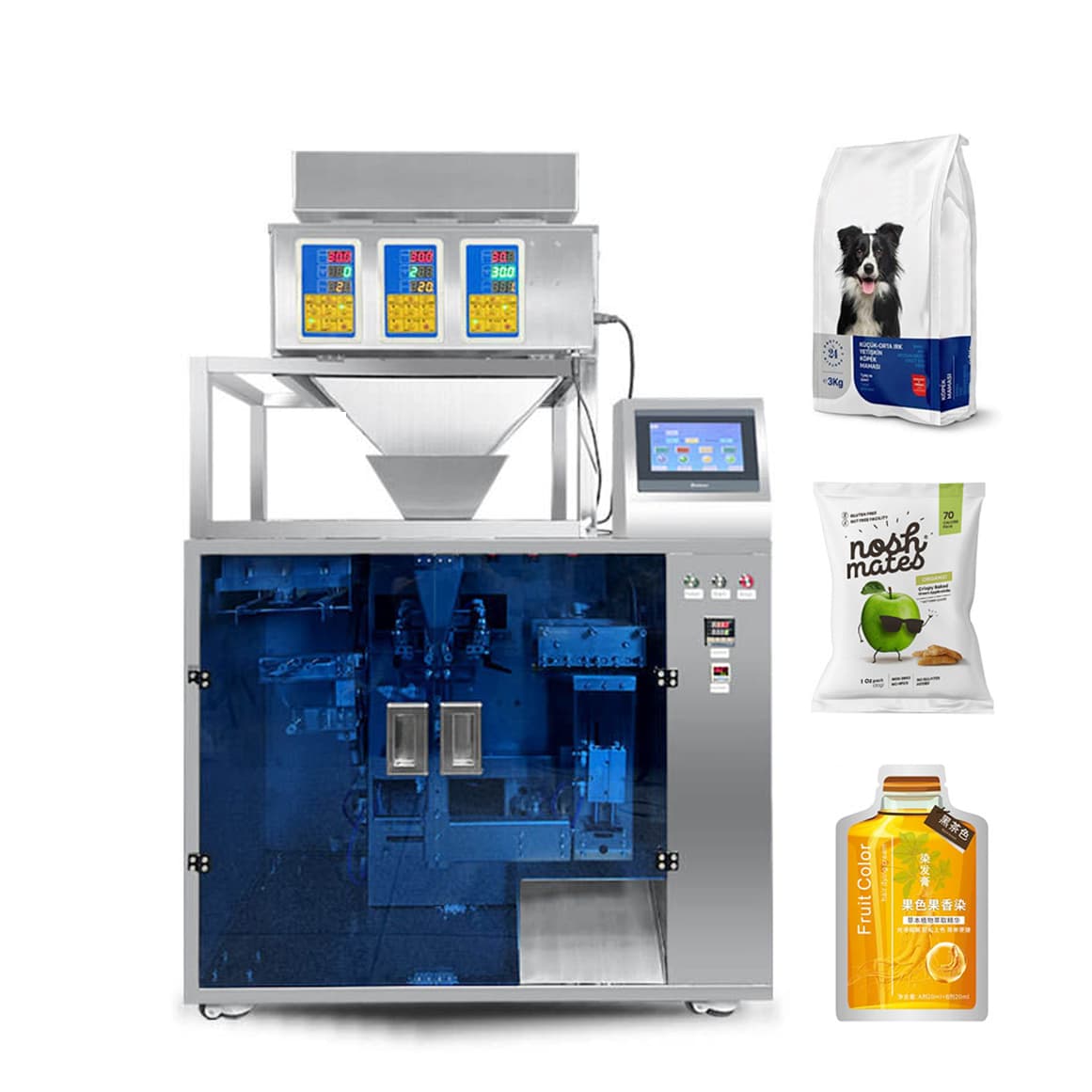
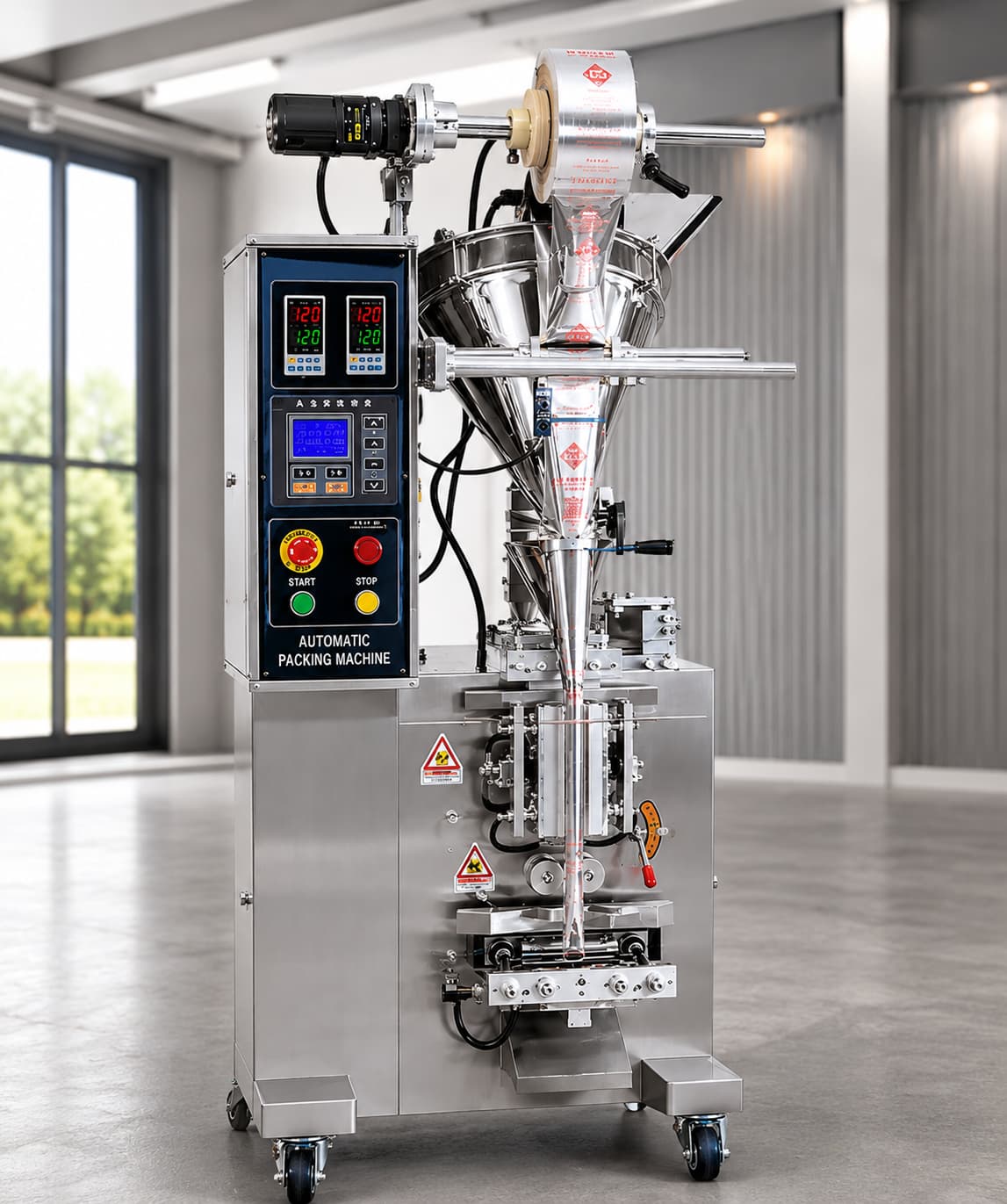
2.2 Vertical Form-Fill-Seal (VFFS)
The machine automatically creates a package from the film, fills it and seals it.
Suitable for:
Coffee
Snacks
Powder
Cereals
✔ Compact
✔ Popular in small production
✔ Good price/performance ratio
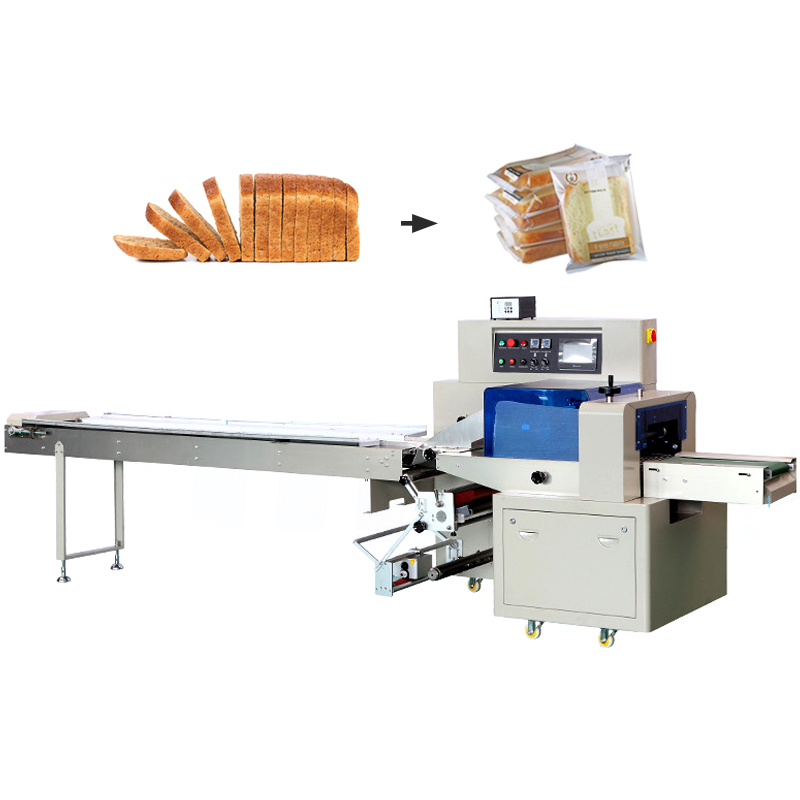
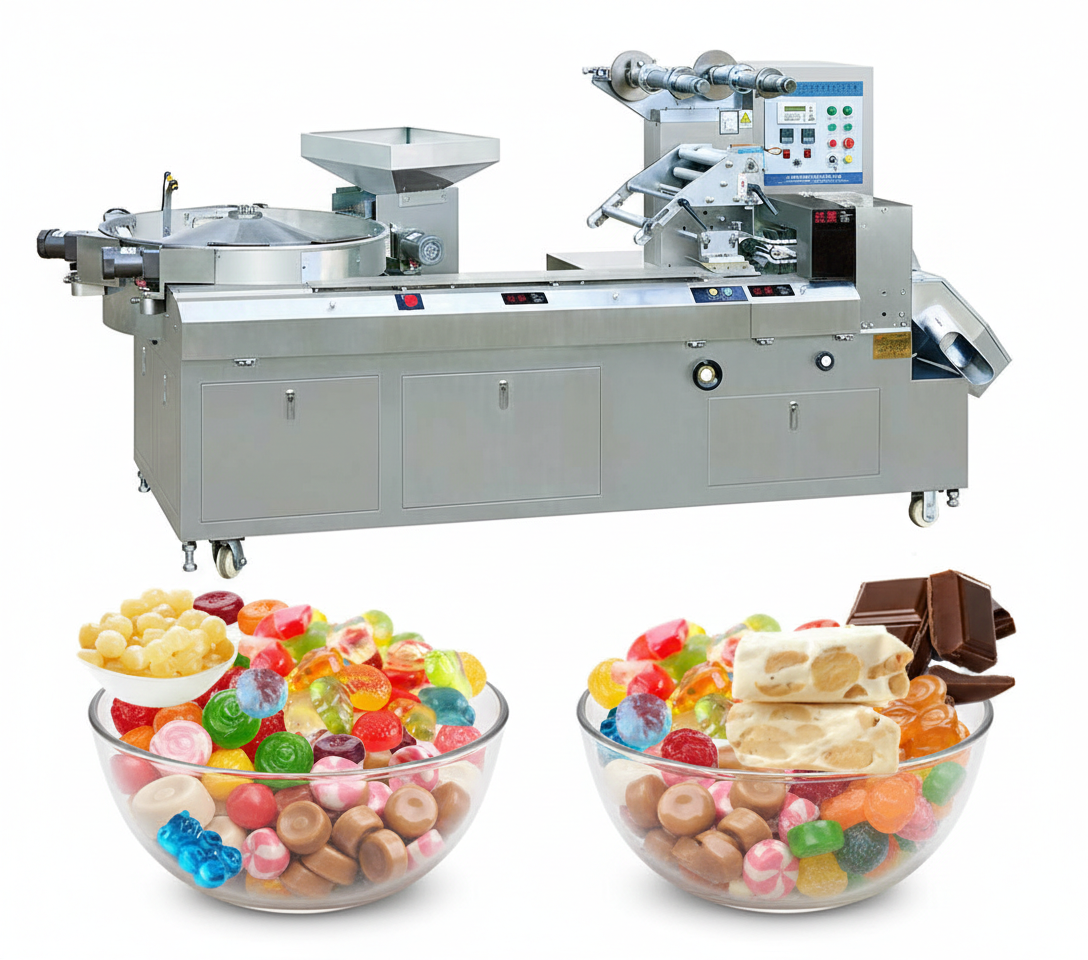
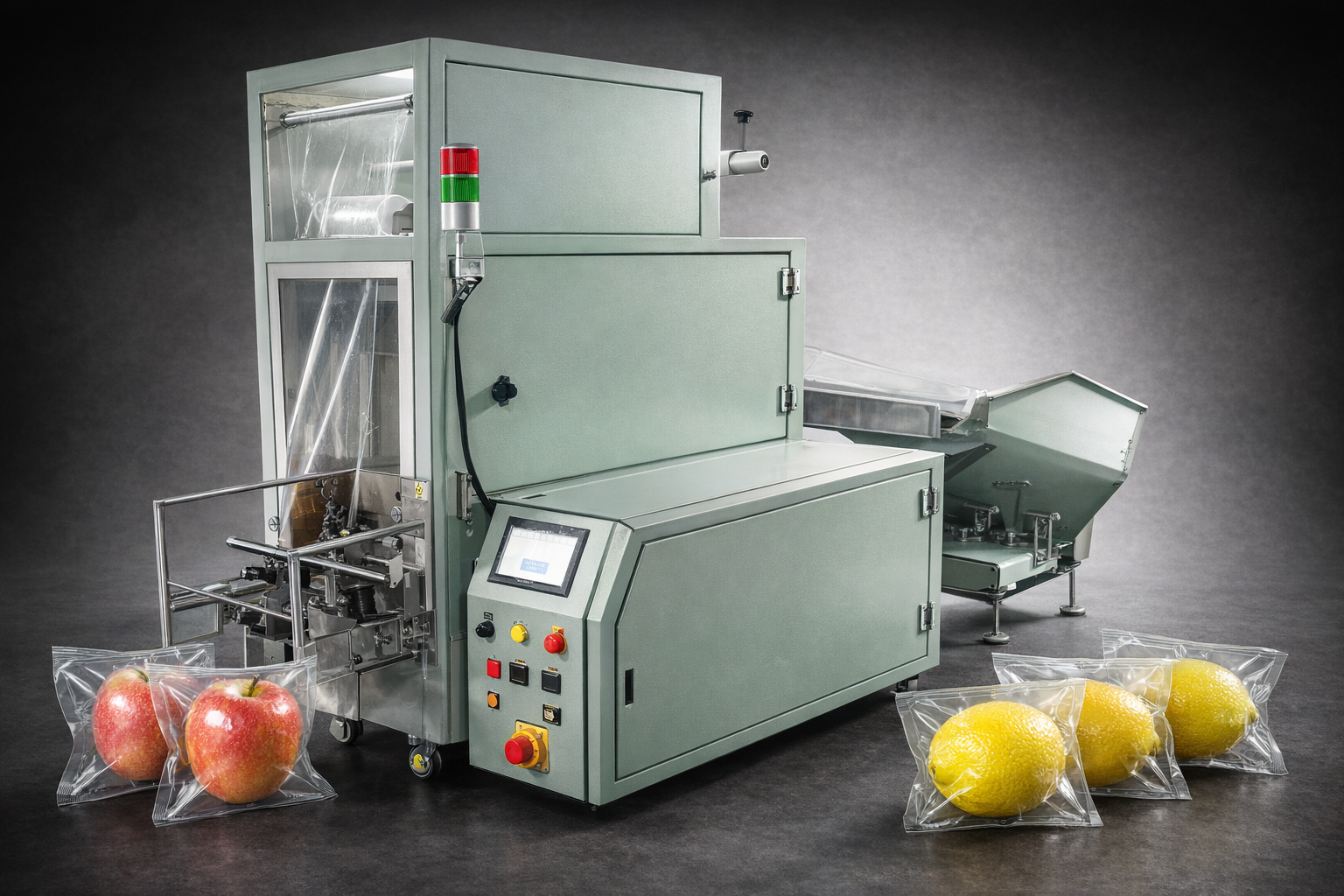
2.3 Horizontal packaging (Flow pack / HFFS)
The product is wrapped horizontally with film.
Ideal for:
Long or fixed-shaped products
Sweets
Individual units
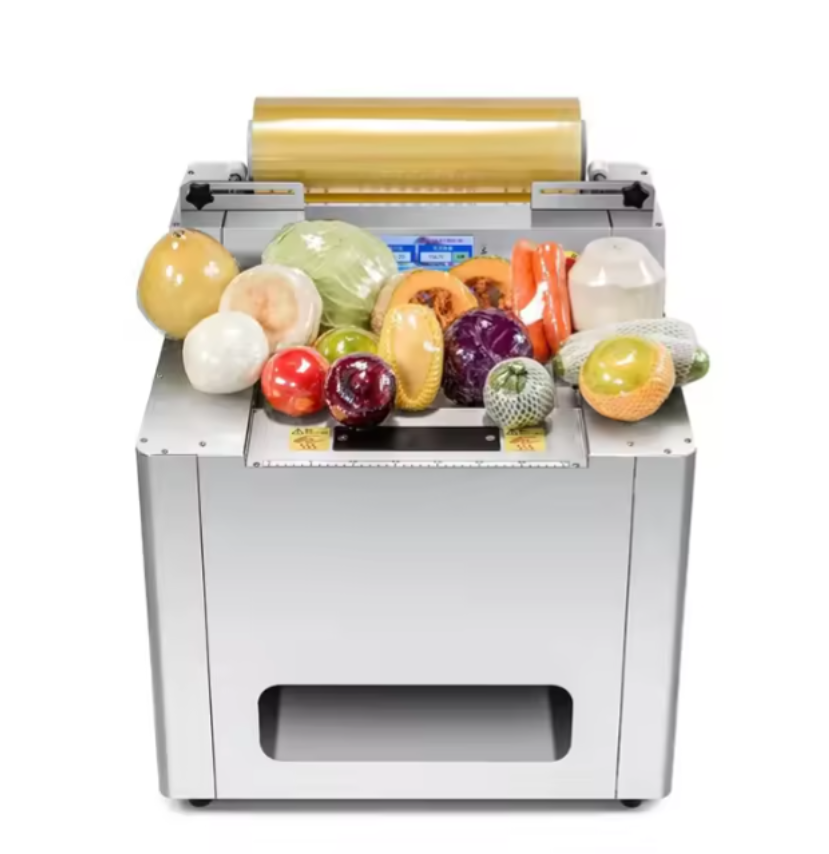
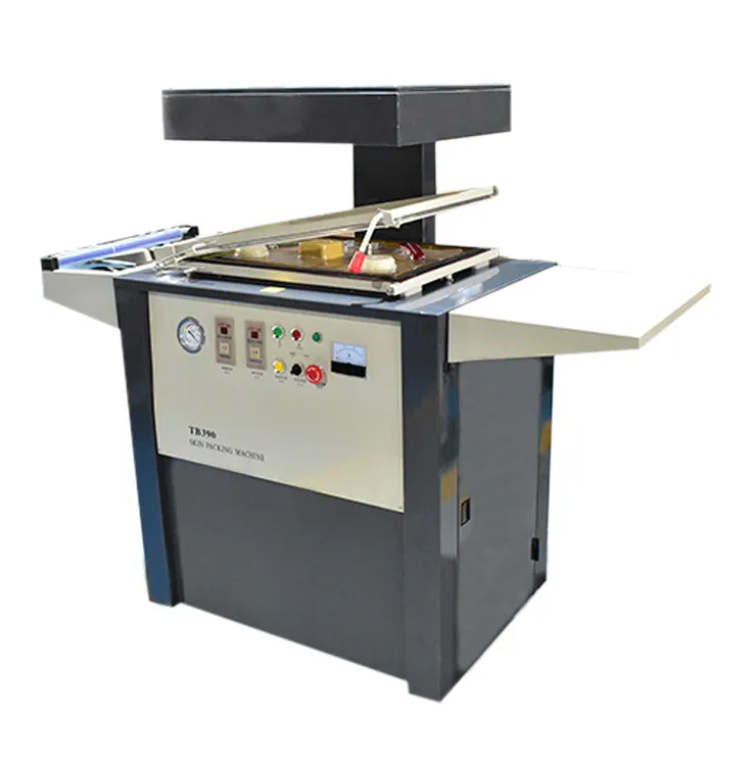
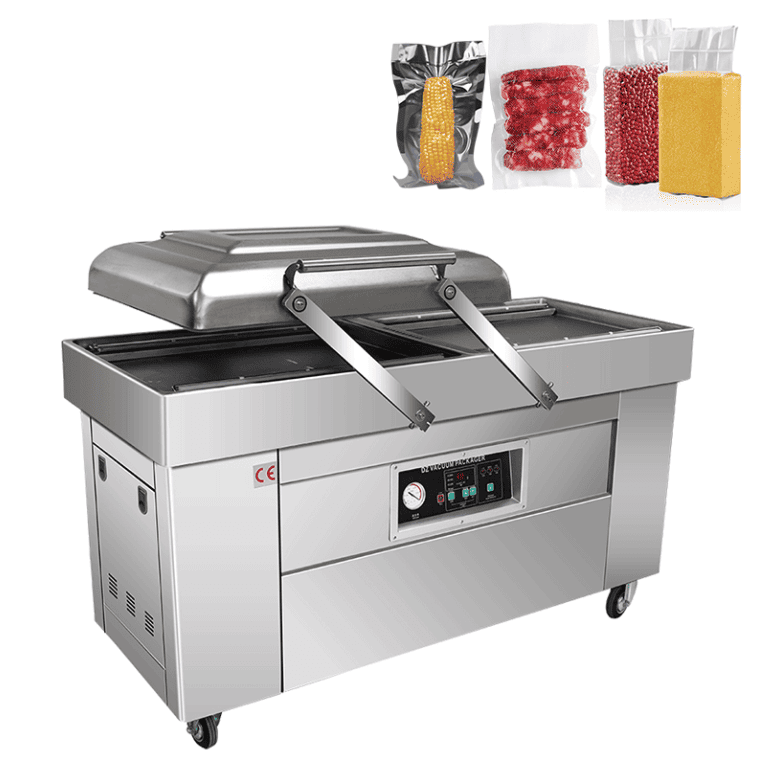
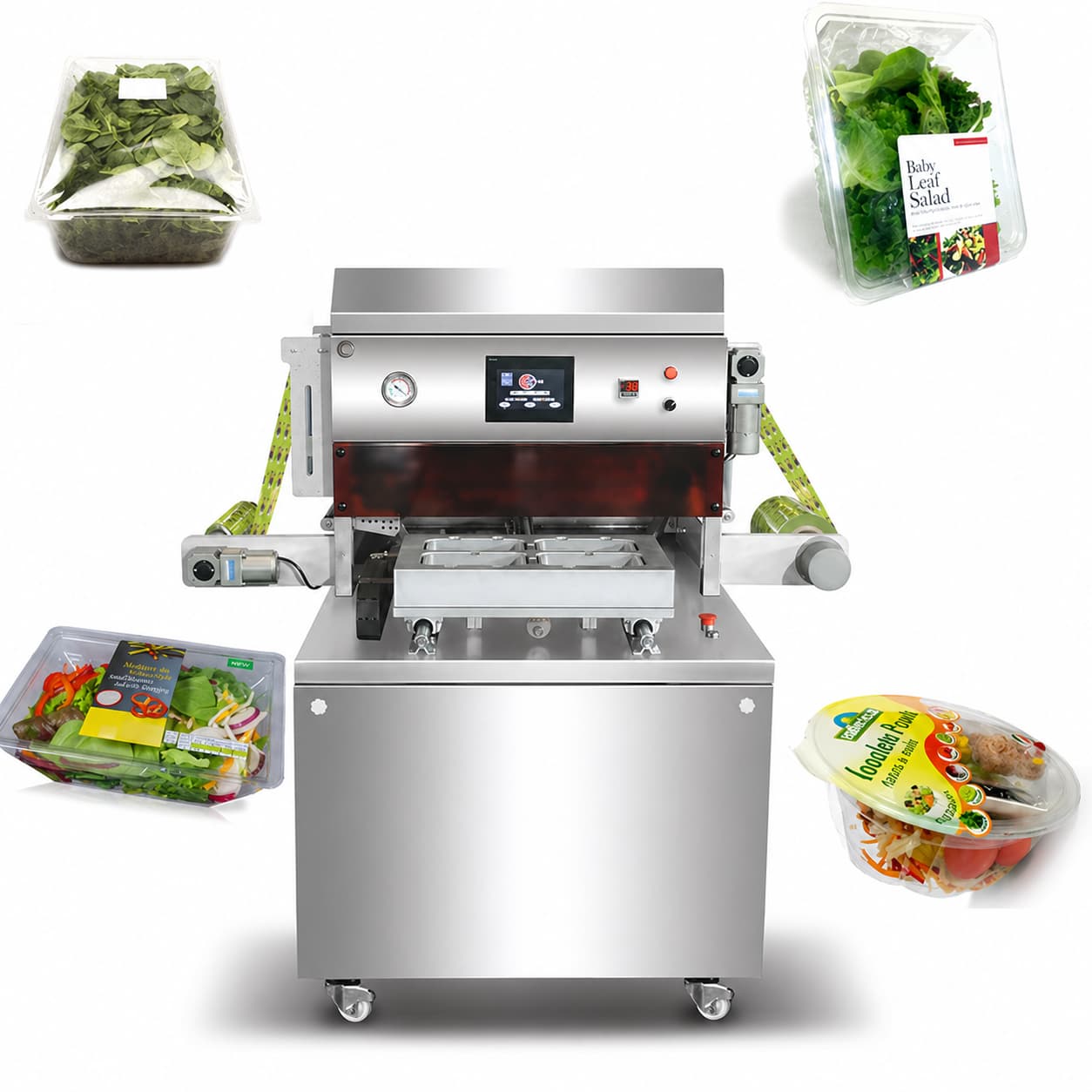
2.4 Vacuum packaging machines
Vacuum increases the shelf life of the product and protects it from air.
Commonly used in:
Meat products
Cheese
Ready-to-eat food
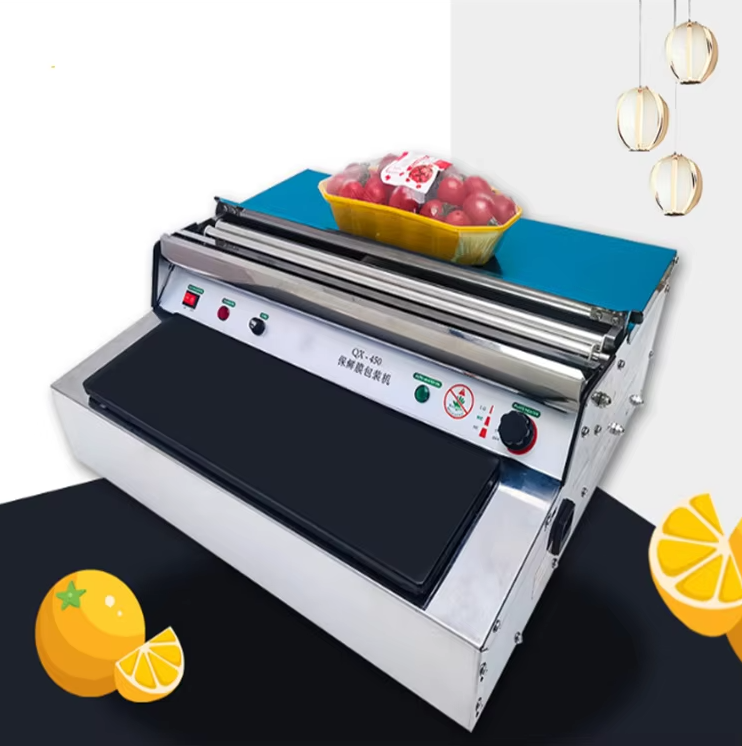
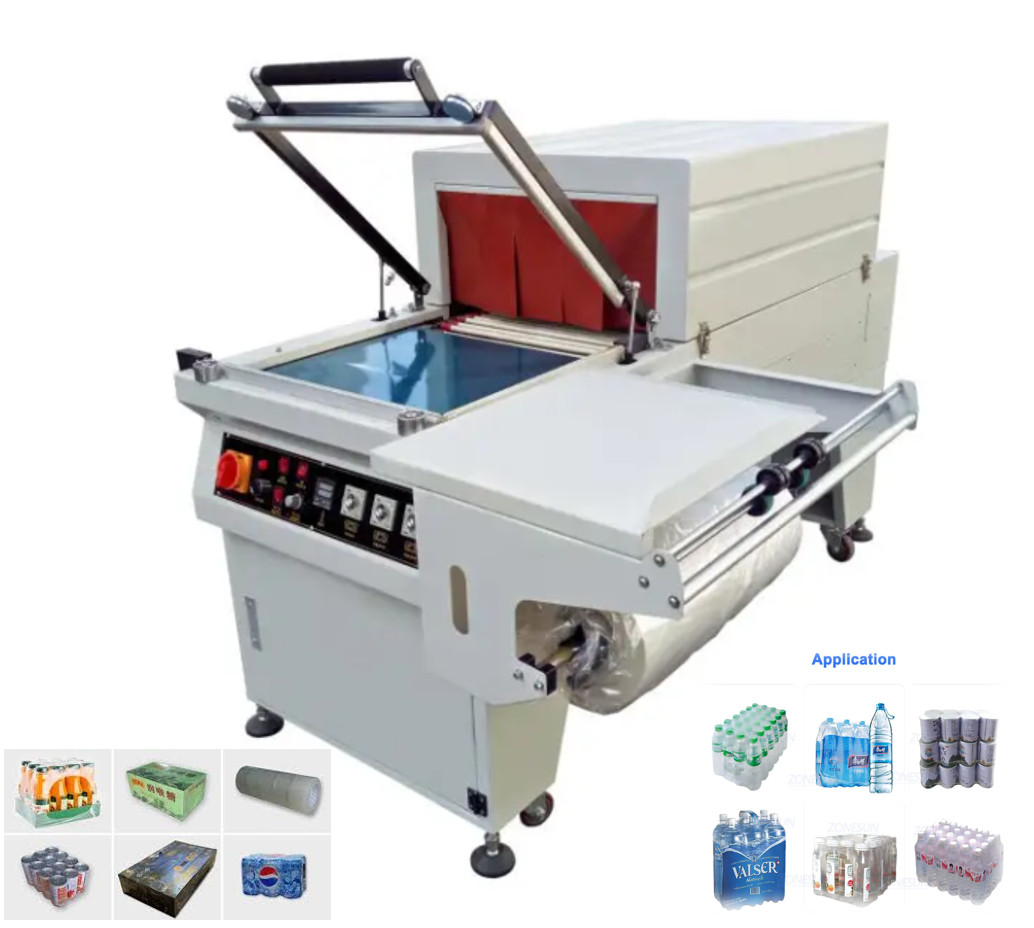
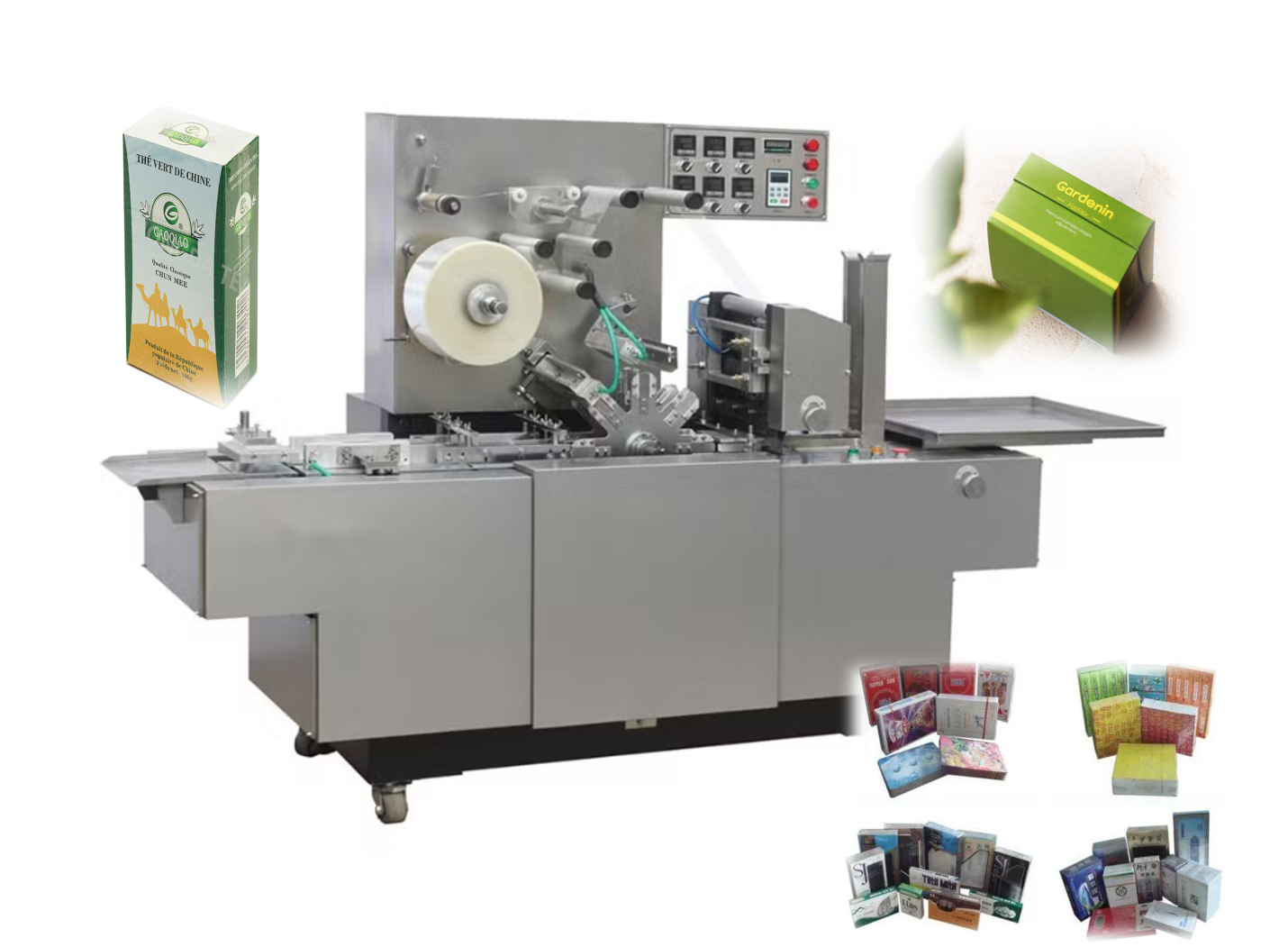
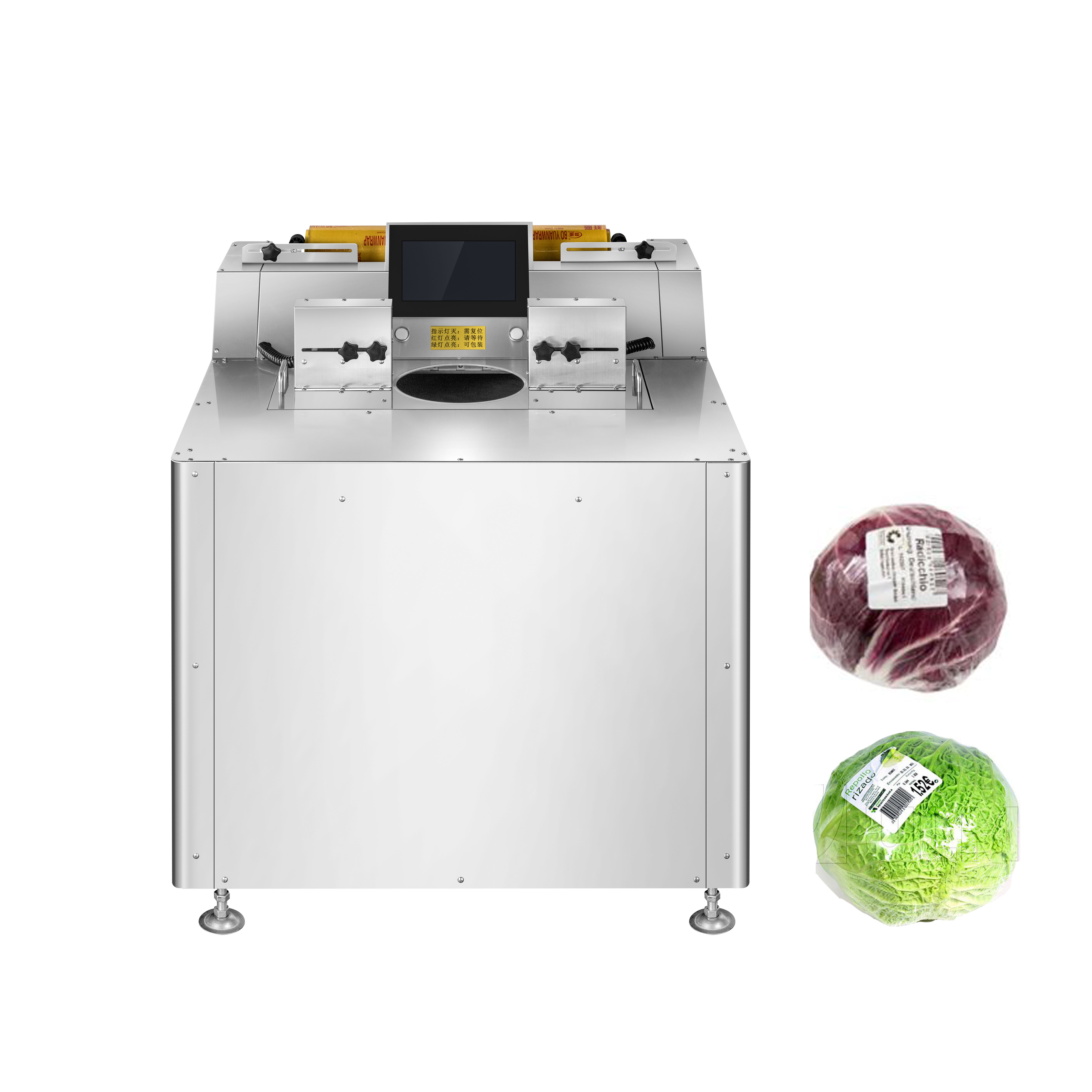
2.5 Shrink tunnel / thermo-shrink systems
Used to shrink wrap around bottles, cans or boxes.
Additional benefits:
Better visual appearance
Transport protection
Professional look
3. Automation level: How big should the machine be?
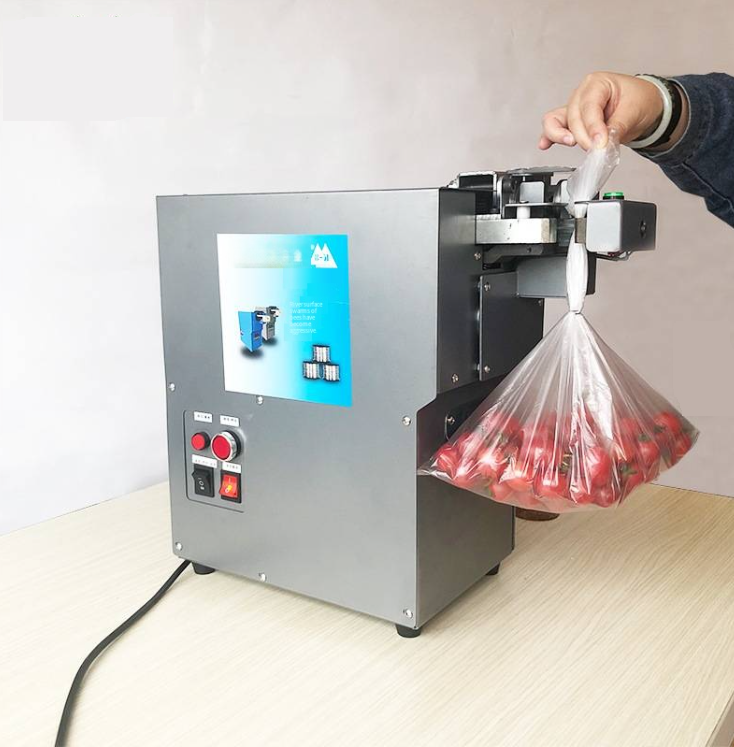
Small start-up
Semi-automatic machines
Low investment
Easy to train
Recommended if production does not exceed 100–500 units per day.
Growing small businesses
Automatic or combined systems
Less manual labor
Consistent quality
Best price/performance ratio.
High volume
Fully automated lines
Conveyors
Need for technical support
📌 It is often a mistake to move to such a stage too early.
4. 5 main factors that you must definitely consider
1️⃣ Production volume
How many units do you need per day and hour?
2️⃣ Packaging material
PVC
PP
PE
POF
Paper / biodegradable film
The machine must be adapted to the specific material.
3️⃣ Ease of operation
In small production, the following are important:
Easy operation
Quick cleaning
Fewer repairs
4️⃣ Service and spare parts
In practice, this is often where problems arise.
A cheap machine that is not serviced will end up costing you a lot.
5️⃣ Future growth
Ask yourself:
Will I use this machine again in 1–2 years?
5. The most common mistakes in small production
Choosing only by price
Overestimating productivity
Incompatibility with packaging materials
Ignoring service
Not calculating future expansion
📌 These mistakes are the most common in practice and the most expensive.
Conclusion
The right packaging machine is not just a piece of equipment —
It is the basis of stable production, quality products and quiet operation.
If you make a choice:
By product type
By calculating real volumes
Taking into account service and future growth
Then the machine will work for you, and not you — for it.
Frequently Asked Questions (FAQ)
Which packaging machine is best for small production?
It depends on the type of product, daily volume and budget. The most commonly used are semi-automatic and VFFS systems.
Is it better to have a cheap or expensive machine?
It is better to have one that has service and corresponds to your real workload.
Is it possible to package different products on one machine?
In some cases – yes, but it depends on the dosing and film system
Author: Badri Tsikubadze – entrepreneur working in the field of technological equipment and packaging machinery.

