 +995598322377
 enlilifactory@gmail.com
 Login
Login Register

















Apple Dried Fruit — How to Dry Apples Properly and Preserve Their Quality
.
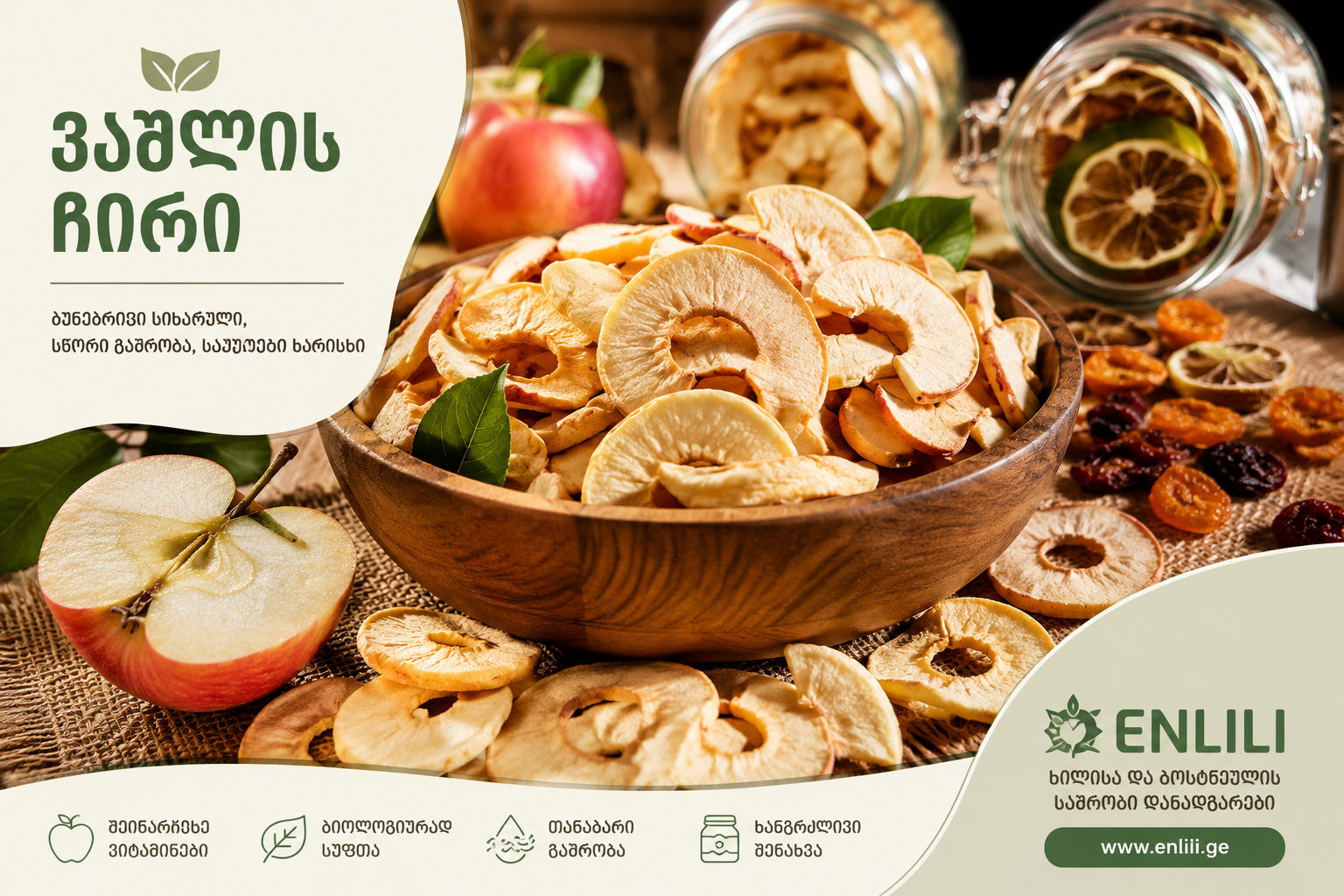
Dried apples are one of the most practical ways to preserve apples and extend their shelf life. Properly selected raw materials, uniform slicing, the right drying temperature, and good air circulation help produce an aromatic dried fruit with a pleasant texture.
During drying, apples lose a significant amount of water. Their volume decreases, while natural sugars and flavor become more concentrated. The drying method also affects the final color, texture, aroma, and nutritional characteristics.
Which Apples Are Best for Drying?
Almost any apple variety can be used to make dried apples, but the final result depends on the variety, firmness, sugar content, and moisture level.
Sour and sweet-and-sour varieties are particularly suitable. Apples with firm flesh generally retain their shape better and are less likely to break apart during drying. Sweeter varieties often become softer and sweeter after drying.
For the best results, use ripe but not overripe apples without signs of rot, mold, severe bruising, or other damage.
How to Prepare Apples for Drying
Proper preparation directly affects drying time and the quality of the finished product.
• Select fresh, high-quality apples.
• Sort apples with similar size and maturity.
• Wash thoroughly under running water.
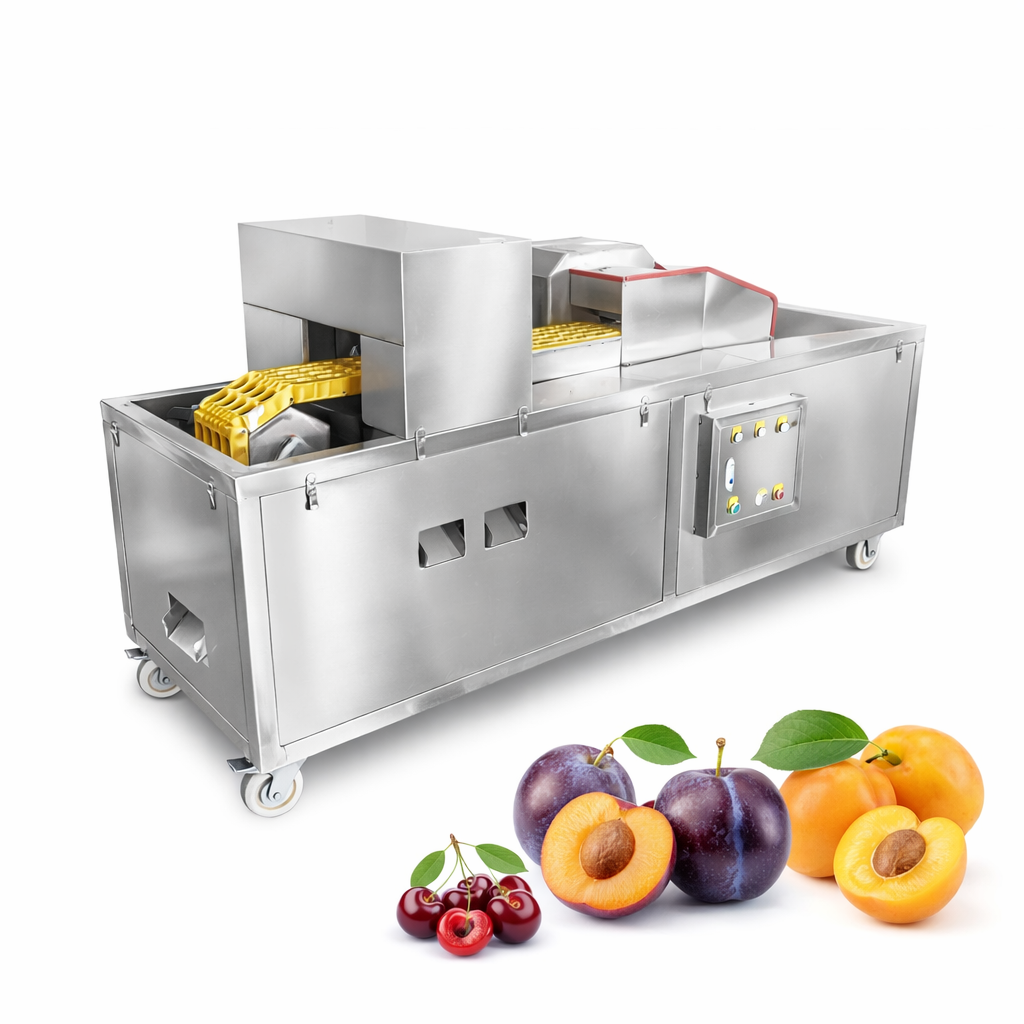
• Remove the core and seeds if desired.
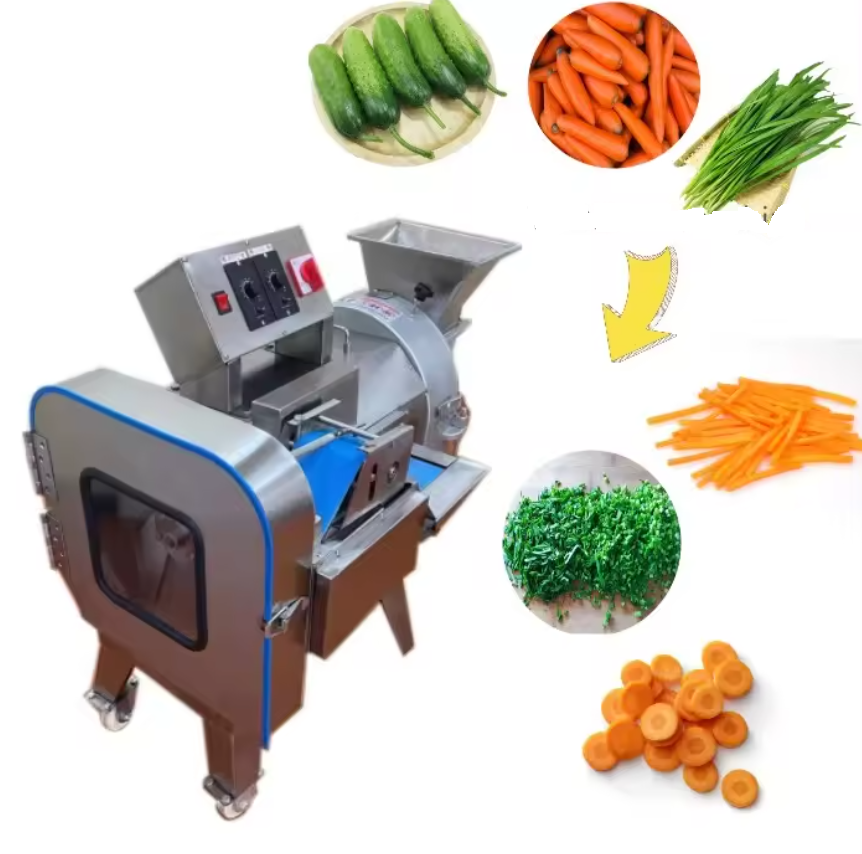
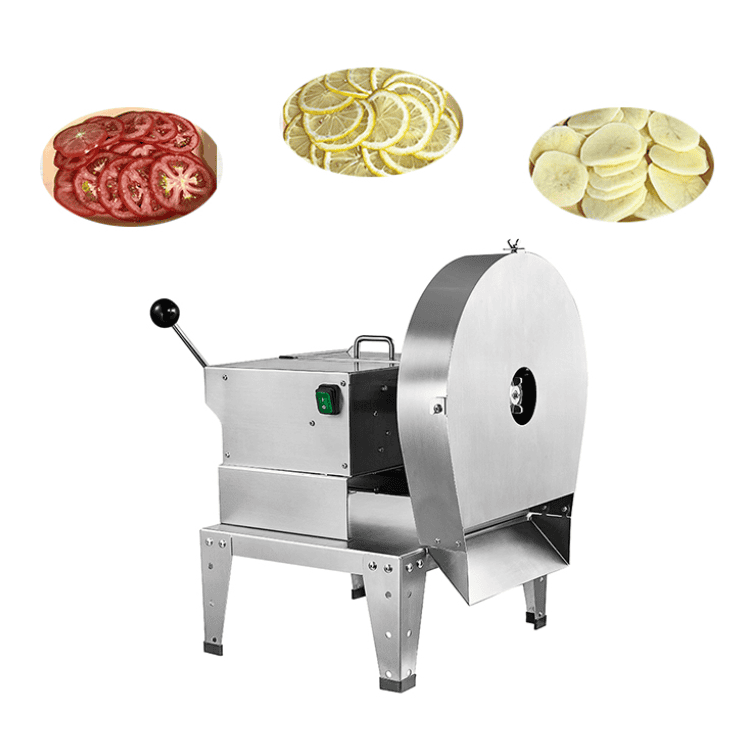
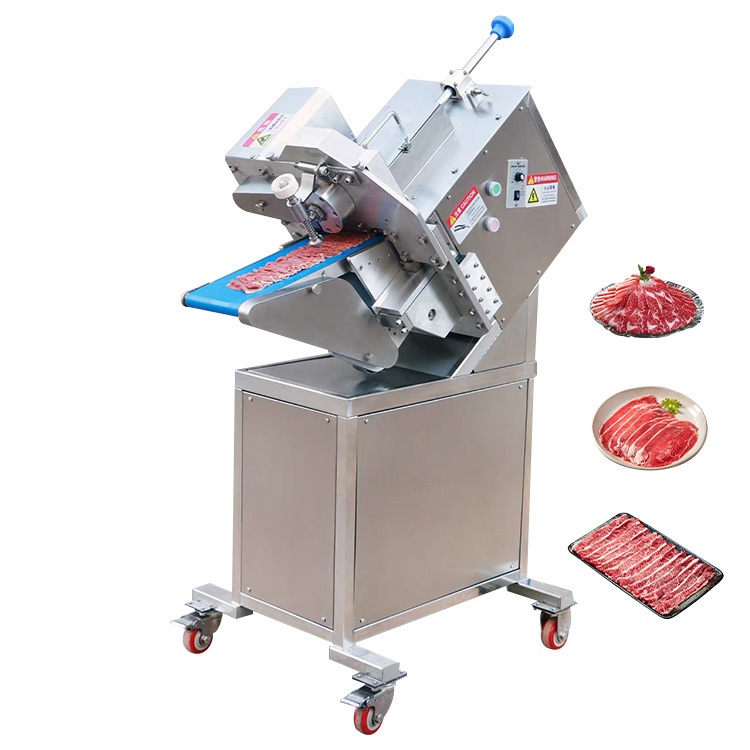
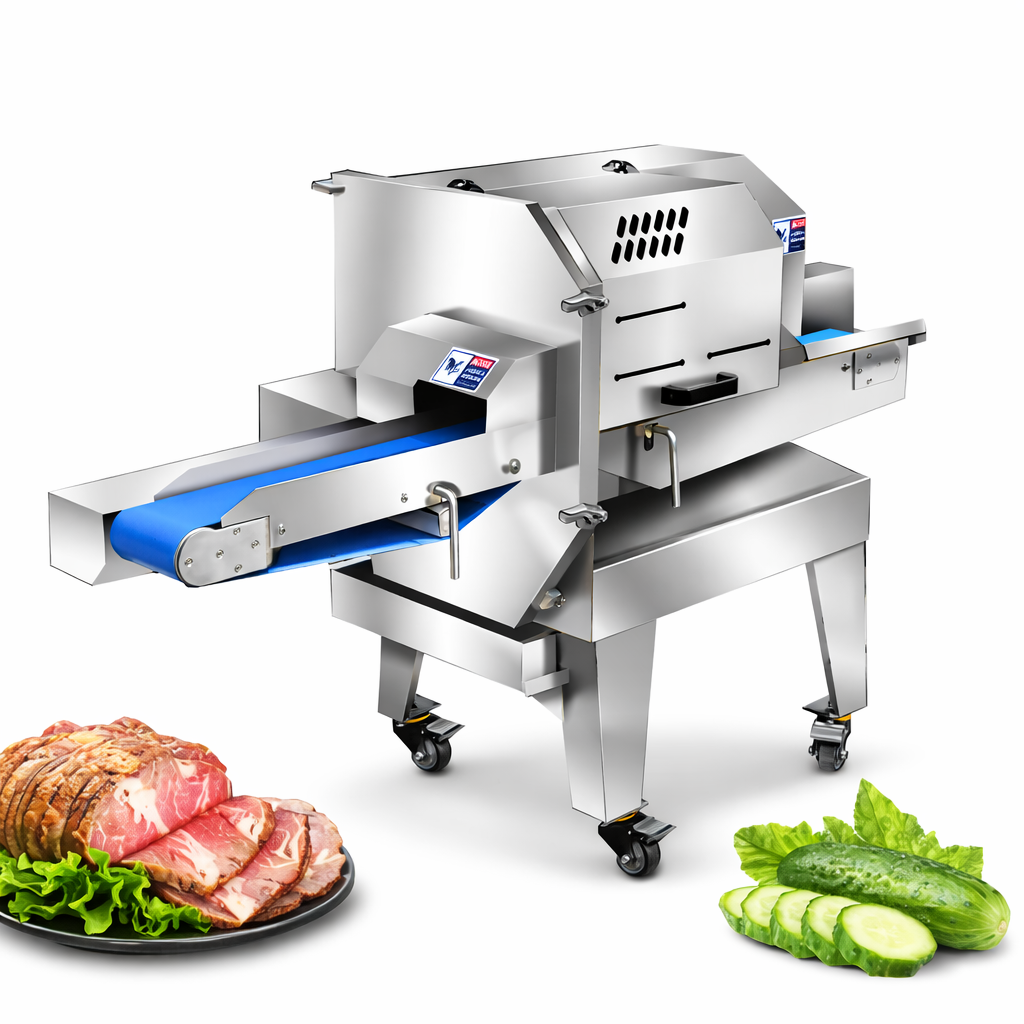
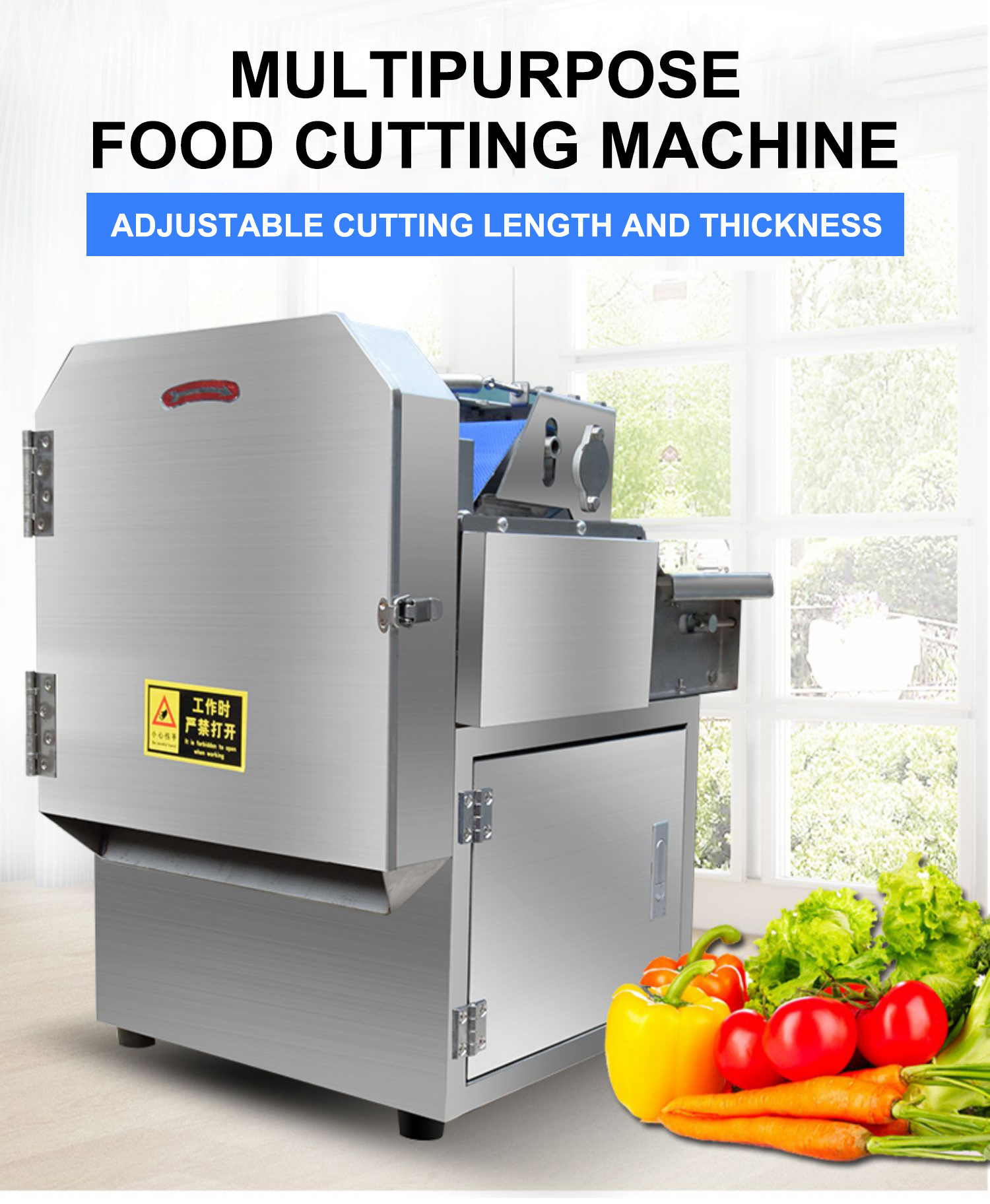
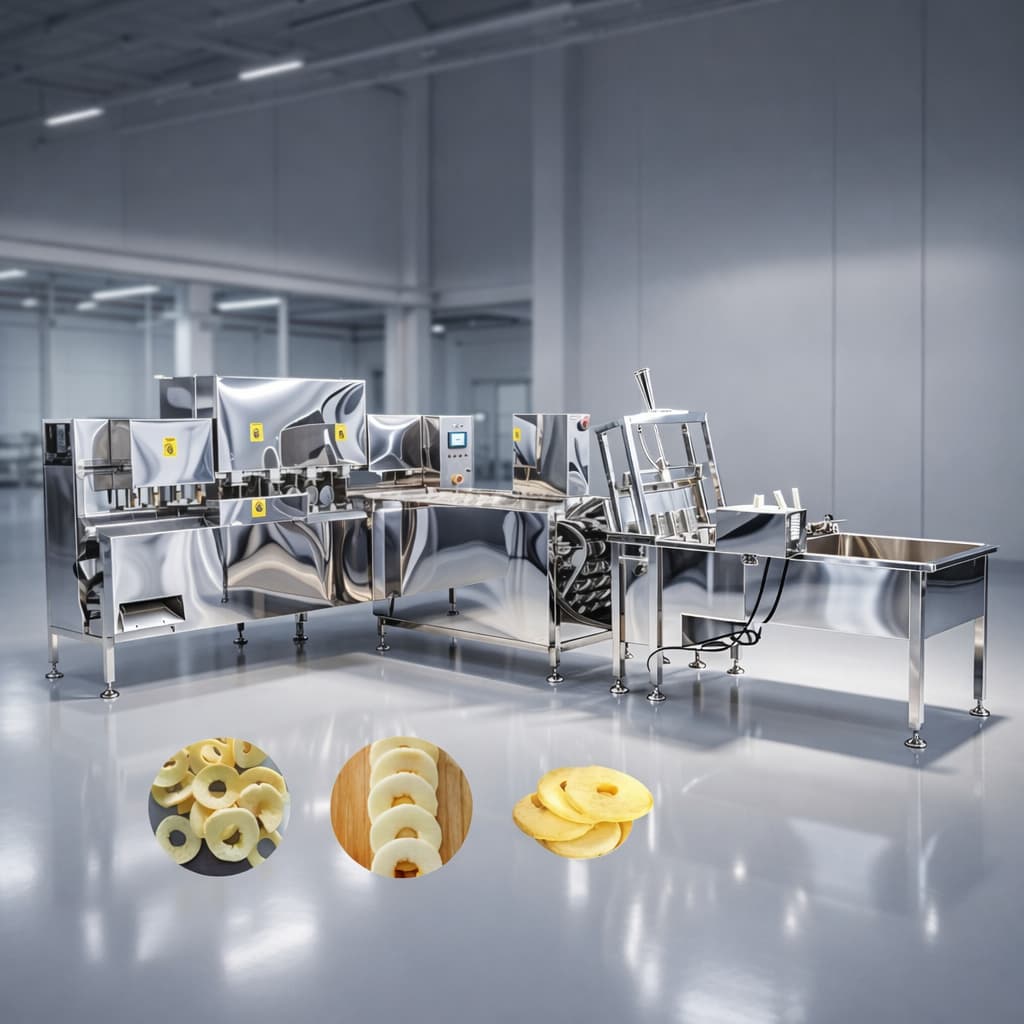
• Cut the apples into evenly sized slices.
• A practical slice thickness is approximately 4–6 mm.
• To reduce browning, sliced apples can be briefly treated with lemon juice and water.
• Remove excess surface moisture before drying.
Apples can be dried with their skin on. Whether to peel them depends on the desired texture and characteristics of the finished product.
What Temperature Should Apples Be Dried At?
The right balance between temperature and air circulation is important. Excessively high temperatures can negatively affect color, aroma, and texture, while very low temperatures can significantly extend the drying process.
For apple drying, 45–55°C is a practical operating range for ENLILI drying systems.
The exact conditions depend on the apple variety, slice thickness, initial moisture content, and dryer load.
How Long Does It Take to Dry Apples?
In a fruit dryer operating at 45–55°C, approximately 6–8 hours may be sufficient for drying apple slices. This is an approximate range, and the actual time can vary from batch to batch.
Oven drying usually requires more attention and manual control, while traditional outdoor drying can take several days depending on weather and humidity.
Properly dried apples should not release free juice when pressed.
How to Dry Apples in an Oven
For small quantities, a conventional oven can be used.
1. Cut apples into evenly sized 4–6 mm slices.
2. Arrange them in a single layer without overlapping.
3. Use a low oven temperature.
4. Allow moisture to escape if your oven design permits this safely.
5. Check the slices periodically and turn them if necessary.
6. Check the final texture before removing the apples.
The main disadvantage of oven drying is that air circulation and moisture removal are generally less controlled than in a dedicated fruit dryer.
How to Dry Apples in a Fruit Dryer
A fruit dryer provides a more controlled drying environment and makes the process easier to repeat consistently.
1. Wash and slice the apples.
2. If desired, treat the slices with lemon juice and water to reduce browning.
3. Arrange the slices in a single layer on the drying trays.
4. Set the temperature to 45–55°C.
5. Allow approximately 6–8 hours for drying.
6. Check the product during the process and adjust the process if necessary.
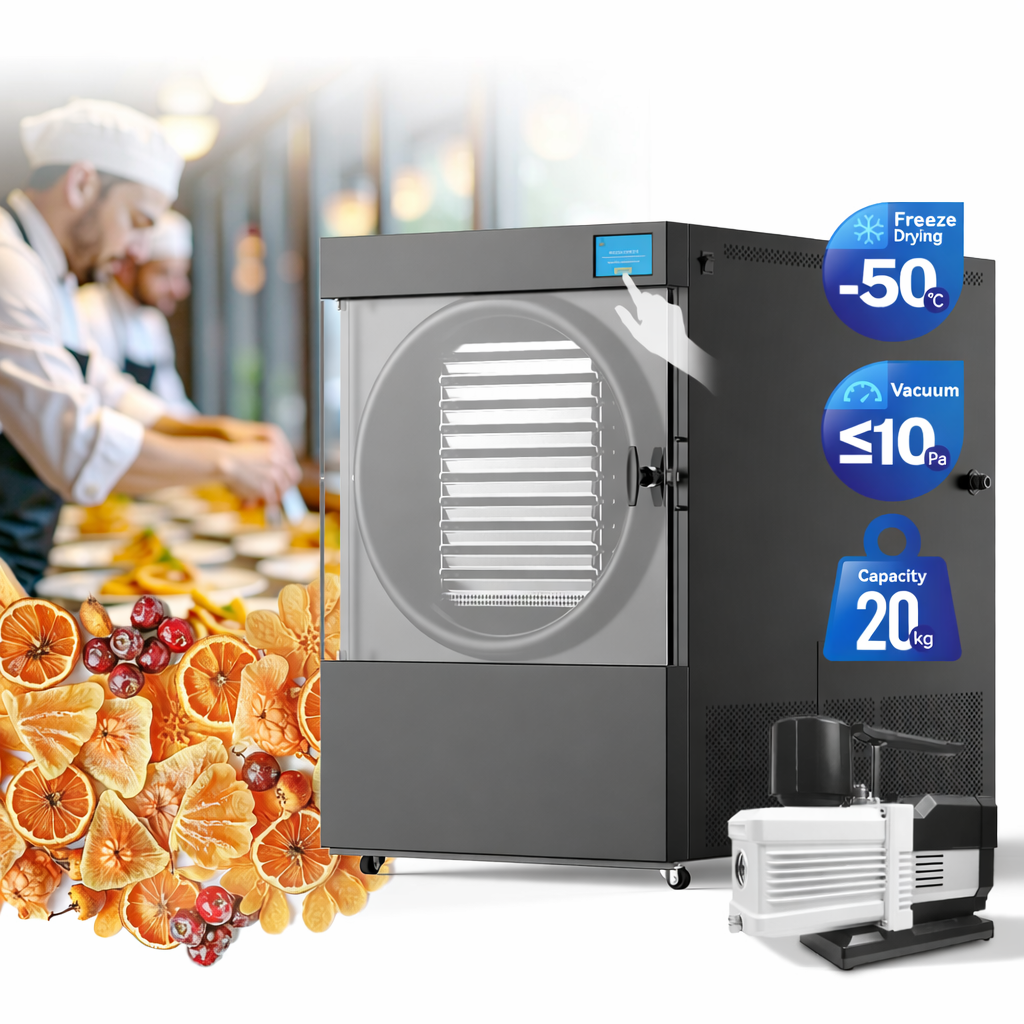
One of the main advantages of a fruit dryer is process control. Multi-level drying systems can also accommodate larger quantities of fruit in a single cycle.
ENLILI drying systems are designed to provide controlled drying conditions and effective air circulation, supporting consistent results and helping preserve the natural characteristics of the product.
Drying Apples Outdoors
Apples can also be dried using traditional sun and open-air drying. However, this method strongly depends on weather conditions.
Place sliced apples on a clean mesh or another suitable surface so air can circulate freely. The location should be sunny and well ventilated.
The product should be protected from dust and insects, and bringing it indoors at night can reduce the risk of moisture accumulation.
The main disadvantage is the lack of precise process control. Rain, high humidity, and temperature changes can significantly extend drying time.
How Much Fresh Apple Is Needed to Produce Dried Apples?
The final quantity depends on the variety, initial moisture content, whether the skin and core are removed, and the final moisture level.
There is therefore no single universal conversion ratio for every batch.
For commercial production, it is better to conduct a test batch using the actual raw material and measure the real yield. Yield directly affects raw material costs and the final production cost.
How to Store Dried Apples
Dried apples should be protected from moisture, direct sunlight, excessive heat, dust, and insects.
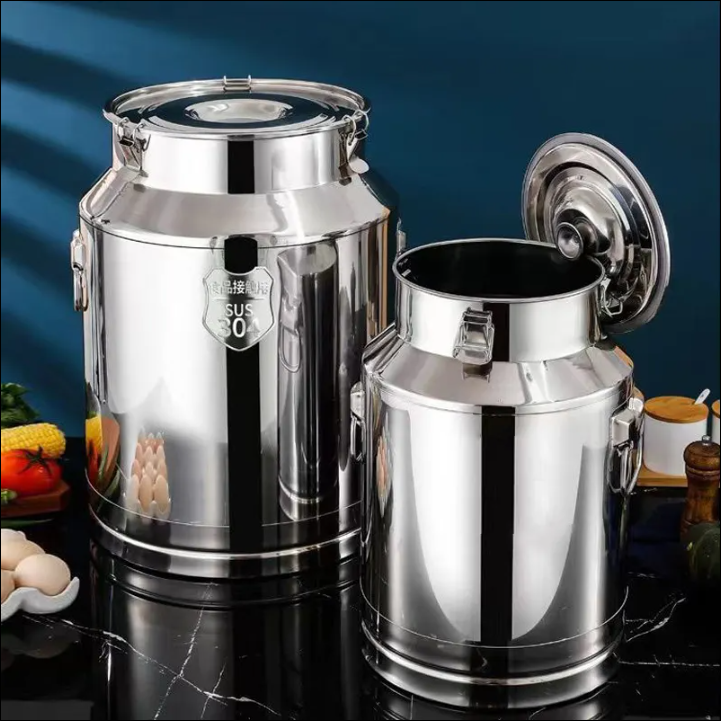
Suitable storage options include tightly sealed glass jars, airtight food-grade containers, and appropriate breathable bags when the environment is dry.
The storage area should be cool, dry, and protected from direct sunlight. Check the product periodically. Condensation or moisture reabsorption increases the risk of mold growth.
Nutritional Value of Dried Apples
Dried apples contain naturally occurring components of apples, including dietary fiber, natural sugars, and minerals. Because much of the water is removed during drying, sugars and other components become more concentrated by weight.
Dried apples can be enjoyed as a convenient snack or added to porridge, desserts, baked goods, and other dishes.
“Natural” does not mean low in sugar. Natural sugars become more concentrated during drying, so portion size is also important.
Dried Apple Production for Home and Commercial Use
For household use, a small dryer may be sufficient. When processing several dozen or hundreds of kilograms regularly, dryer capacity, uniform air distribution, temperature control, moisture removal, energy consumption, and automation become increasingly important.
When choosing commercial equipment, chamber capacity should not be the only criterion. It is important to know the actual kilograms of raw material processed per cycle and how uniform the drying result is across the trays.
ENLILI provides drying technologies for fruits and other agricultural products, including locally manufactured drying equipment. Solutions can be selected according to production capacity and processing requirements.
Frequently Asked Questions
What thickness should apple slices be?
Approximately 4–6 mm. Uniform slices are important for even drying.
What temperature should apples be dried at?
A practical range for ENLILI drying systems is 45–55°C.
How long does it take to dry apples?
Approximately 6–8 hours at 45–55°C, depending on the variety, slice thickness, moisture content, and dryer load.
Do apples have to be peeled?
No. Apples can be dried with the skin on.
Why do dried apples turn brown?
Color changes are associated with oxidation. Brief treatment with lemon juice and water can help reduce browning.
Can dried apples be produced commercially?
Yes. Commercial production requires attention to raw material quality, uniform slicing, controlled drying, hygiene, packaging, and storage.
How can you tell when dried apples are ready?
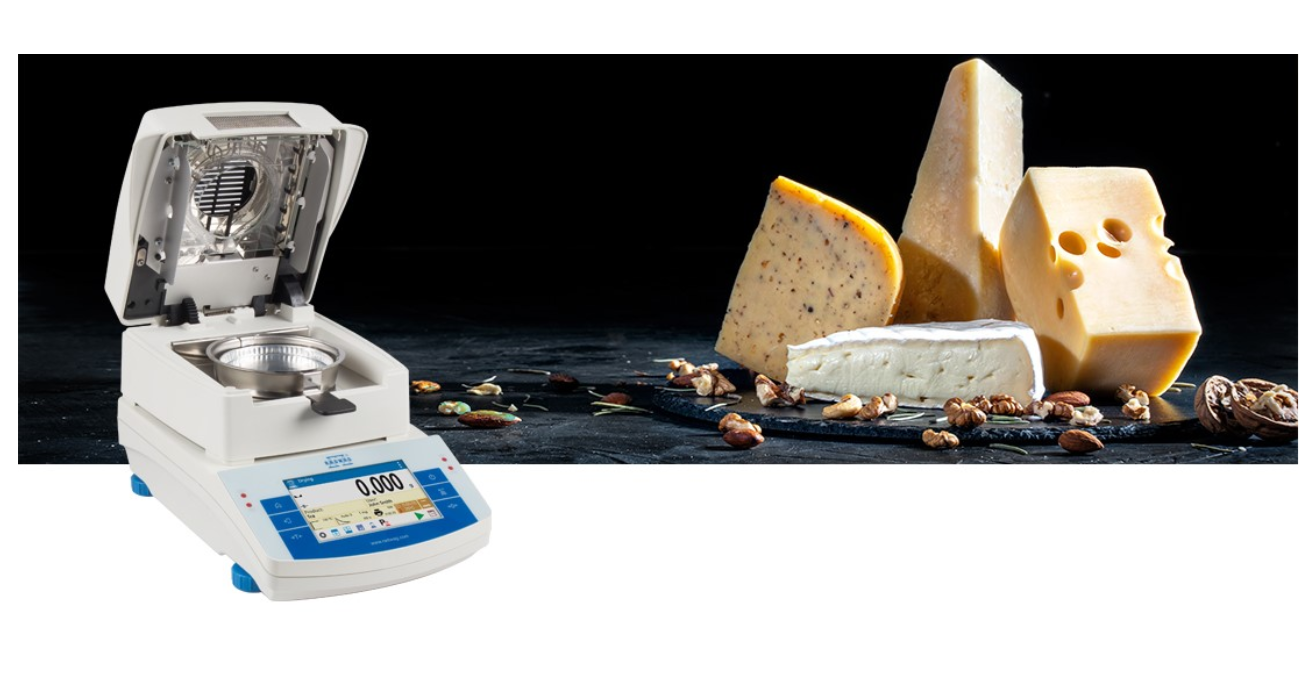
Properly dried apples should not release free juice when pressed. For commercial production, measuring final moisture content is more reliable than visual inspection alone.
Conclusion
Producing high-quality dried apples requires control throughout the entire process — from selecting good raw materials and cutting uniform slices to choosing the correct drying conditions and storing the finished product properly.
For small quantities, an oven or small fruit dryer can be sufficient. For regular or commercial production, a specialized fruit dryer provides a more controlled and repeatable drying process.
ENLILI develops and supplies drying technologies designed to simplify the drying of fruits and other agricultural products and to support production at different scales.
ENLILI — technological solutions for fruit and agricultural product processing.
SEO Information
Meta Title: Dried Apples — How to Dry Apples Properly | ENLILI
Meta Description: Learn how to prepare and dry apples: ideal slice thickness, 45–55°C drying temperature, 6–8 hour drying time, storage methods, and the advantages of fruit dryers.

