 +995598322373
 enlilifactory@gmail.com
 Login
 Register



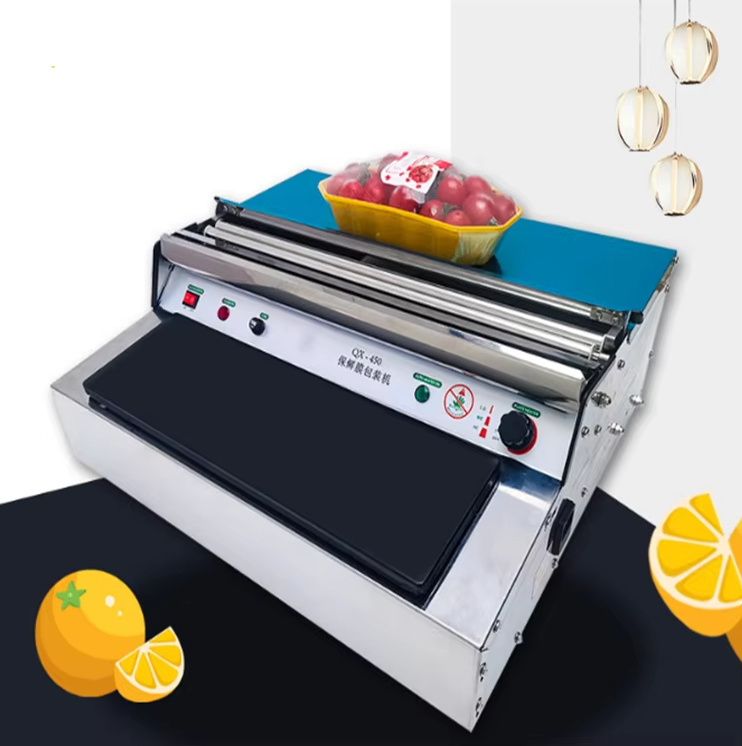
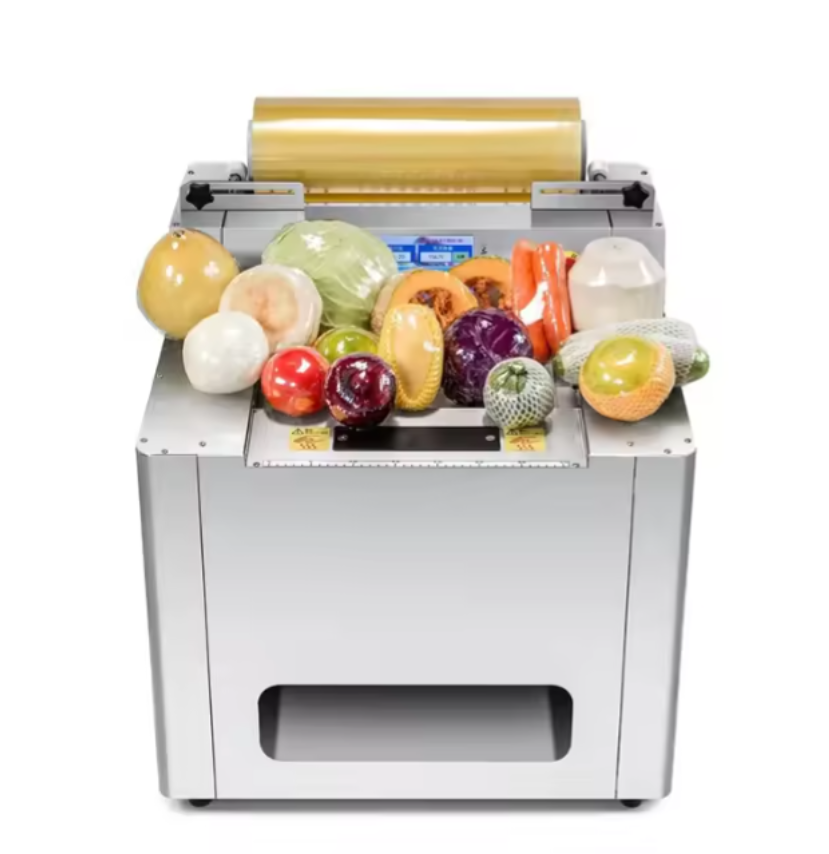
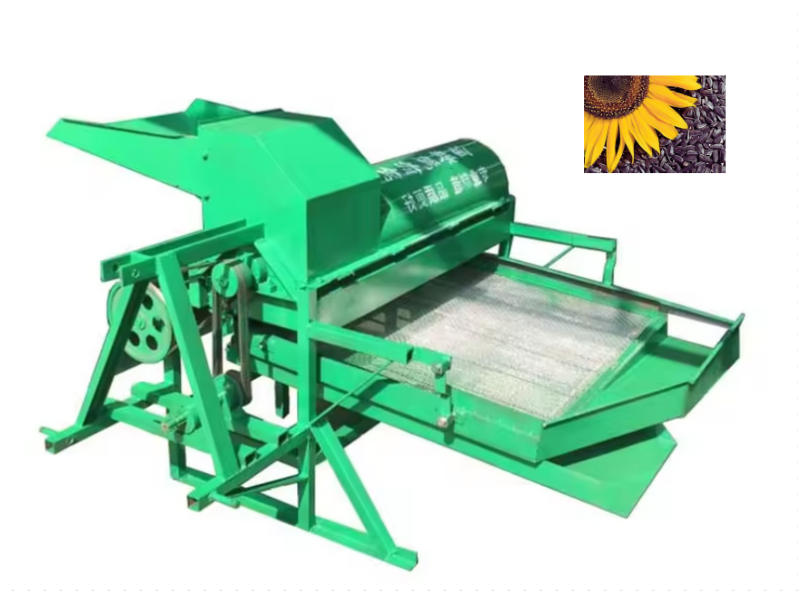
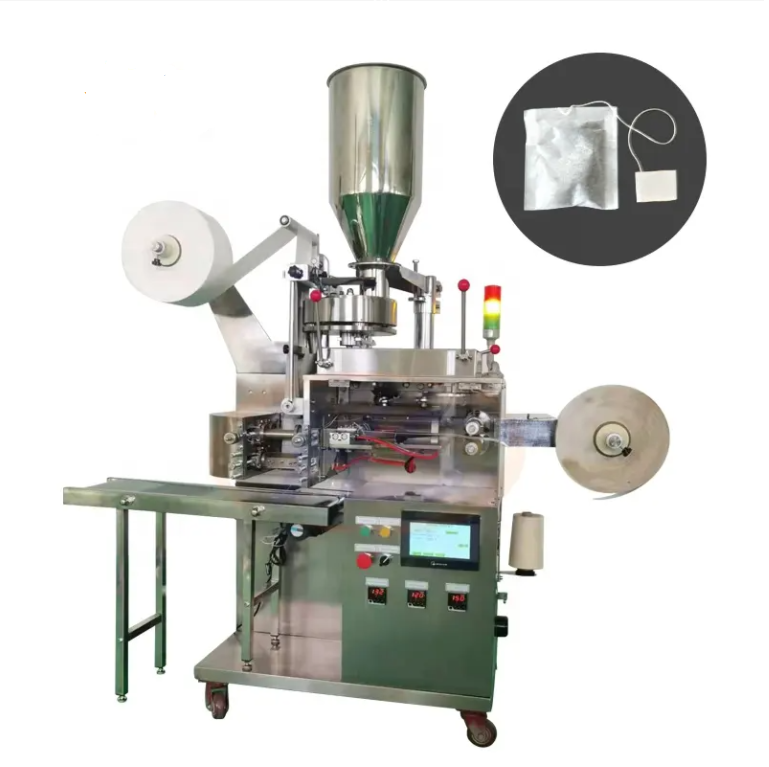
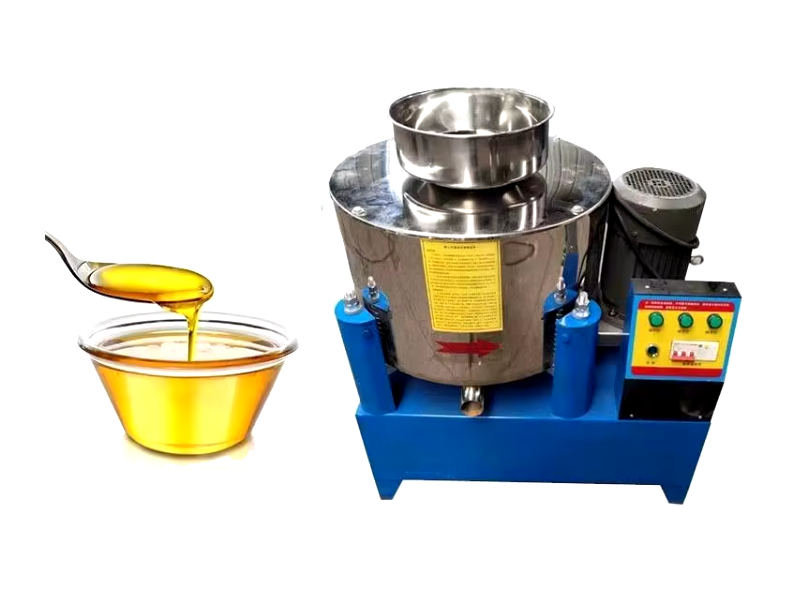
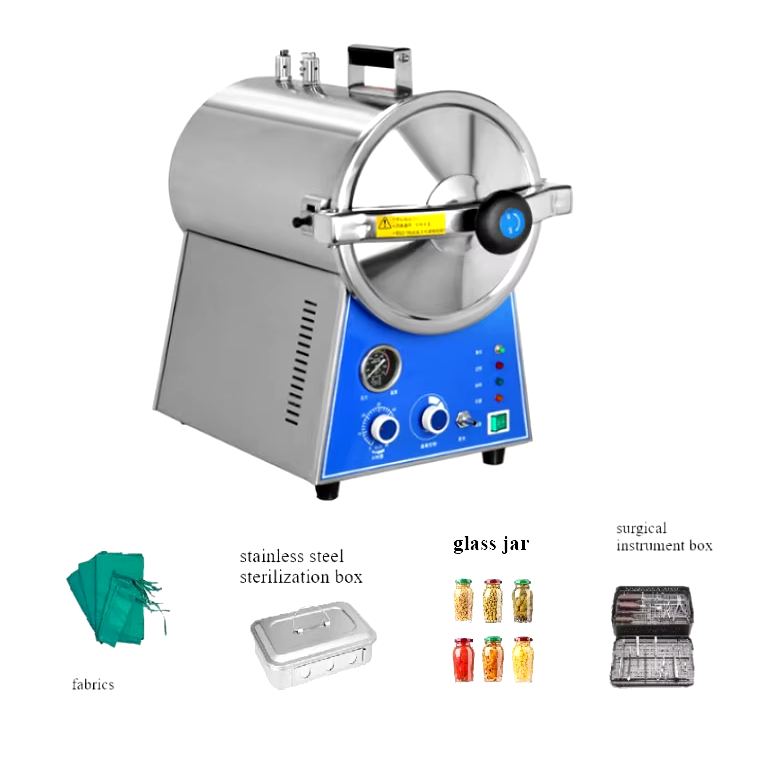
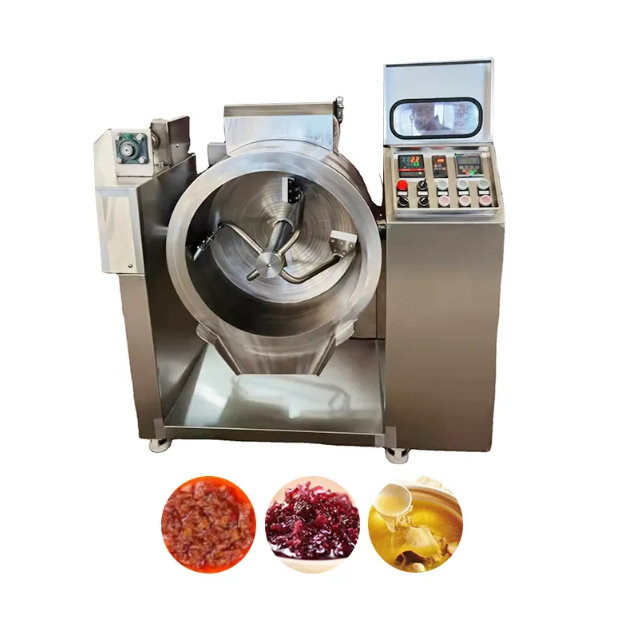
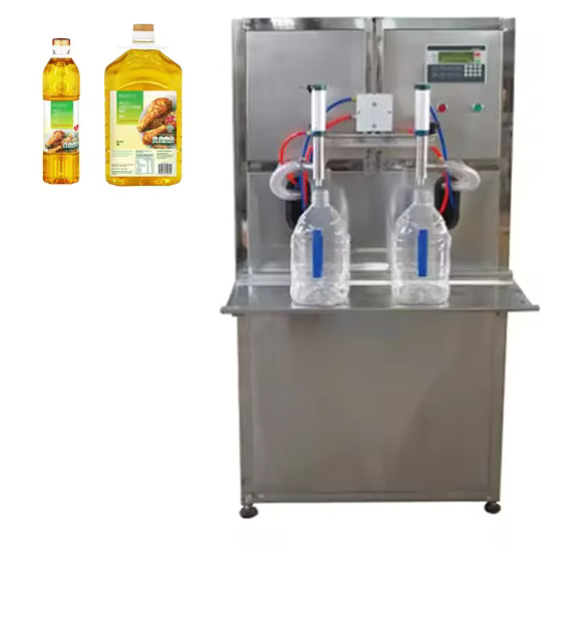
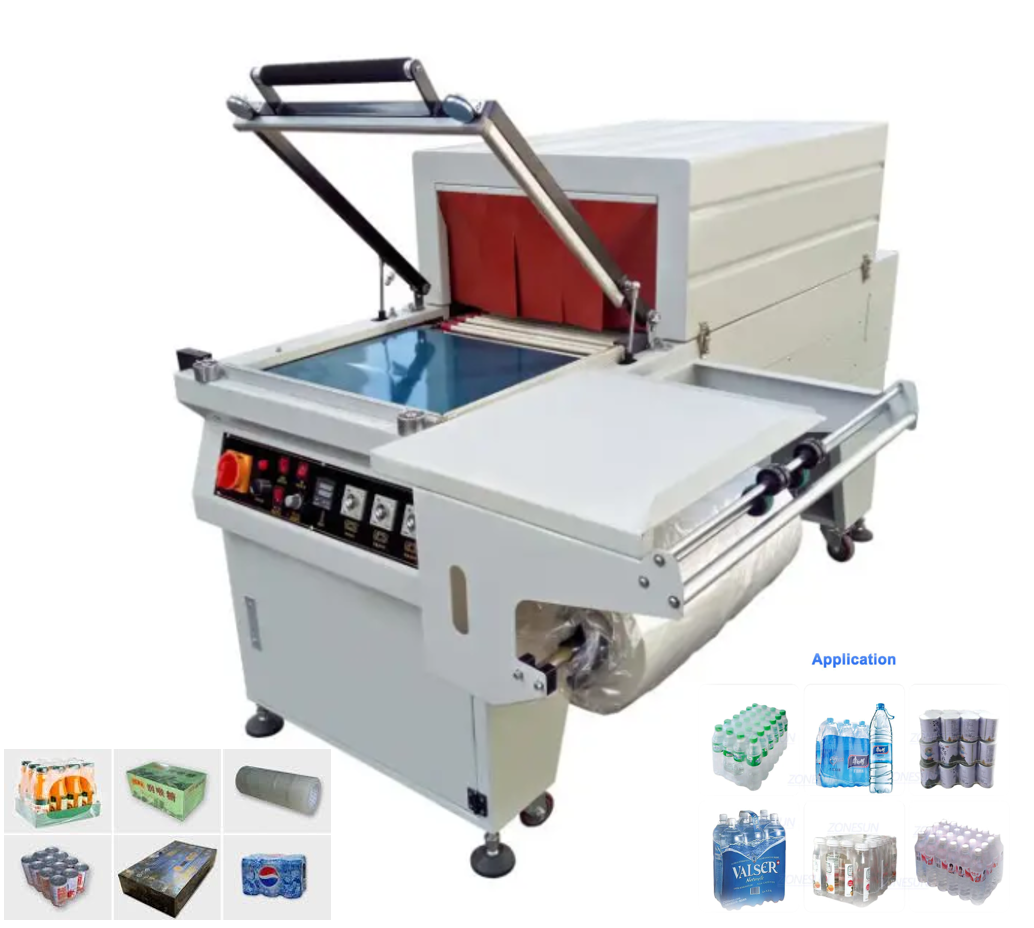
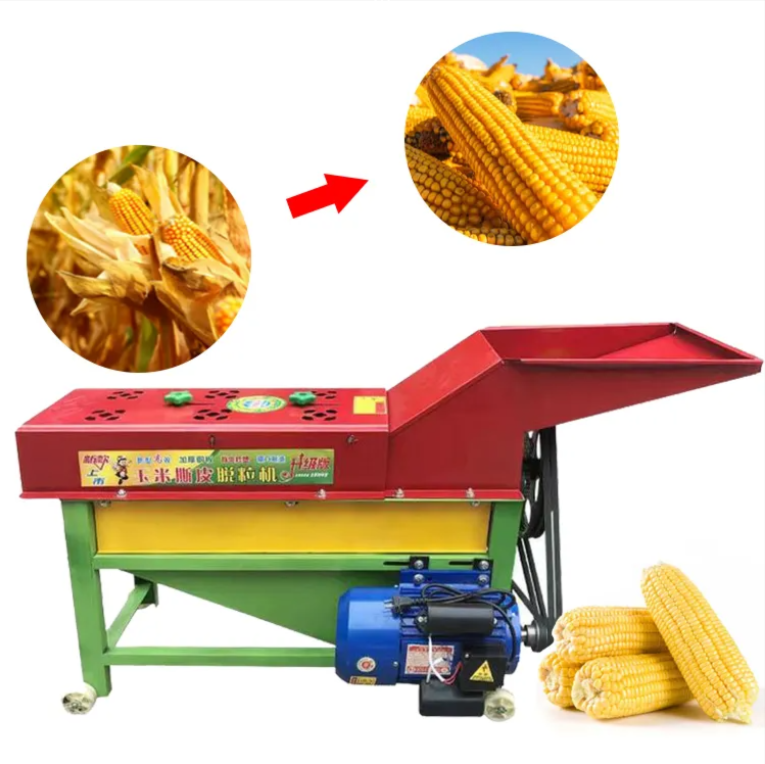
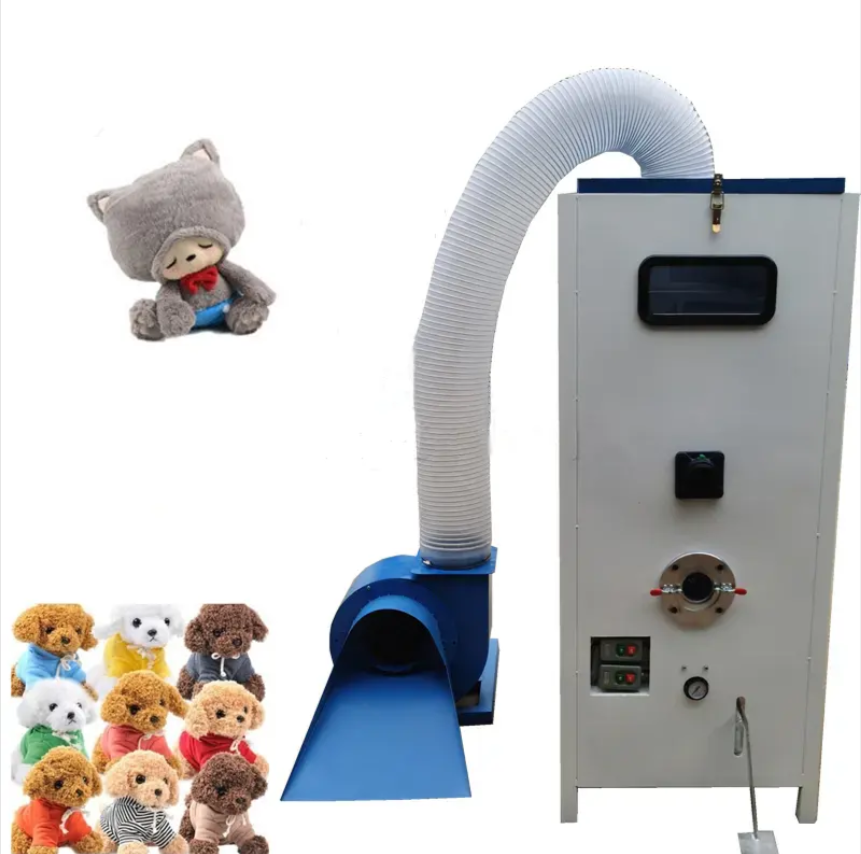
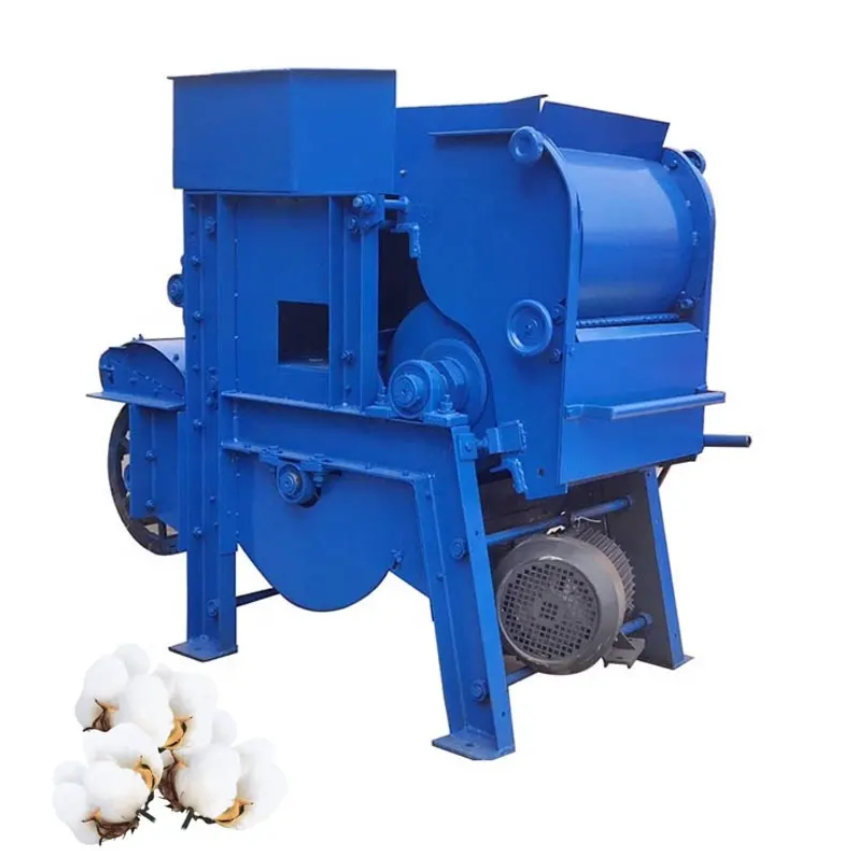
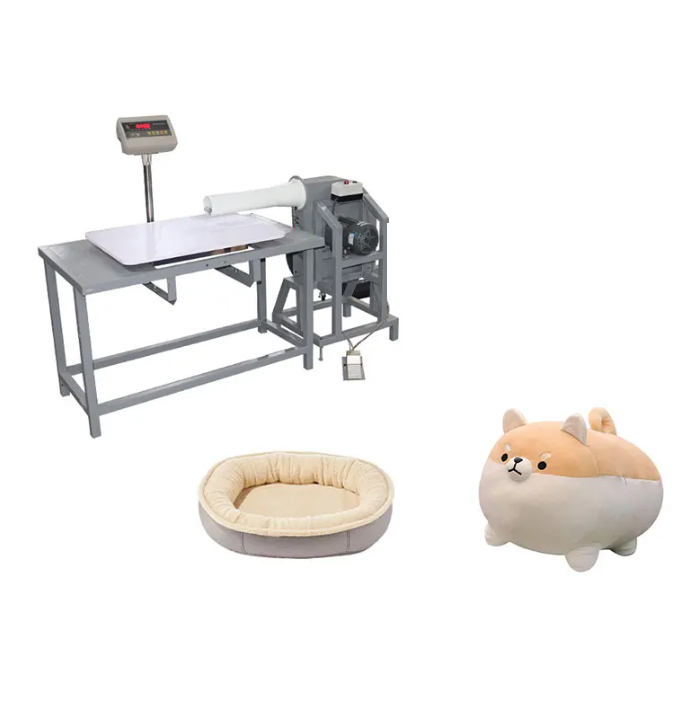
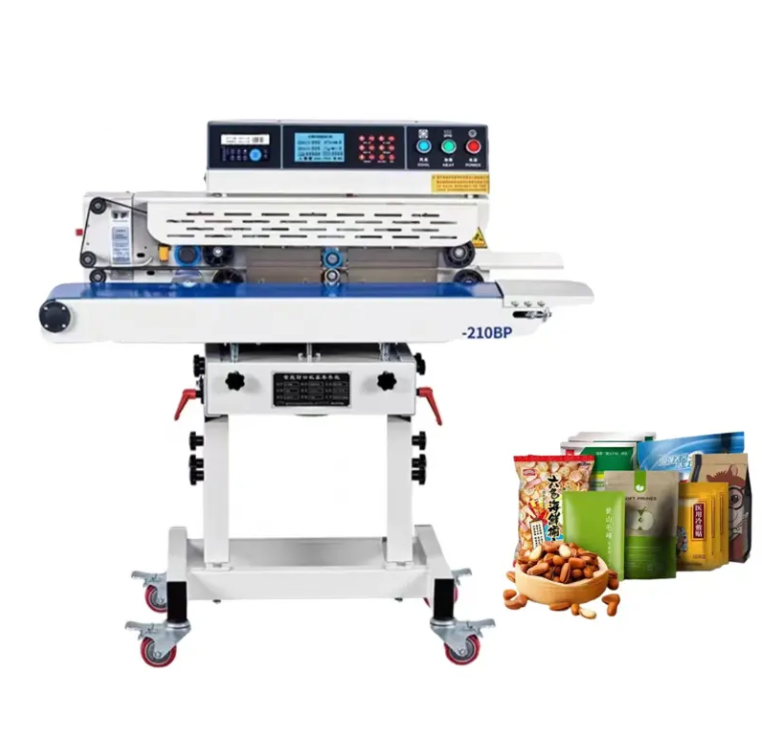
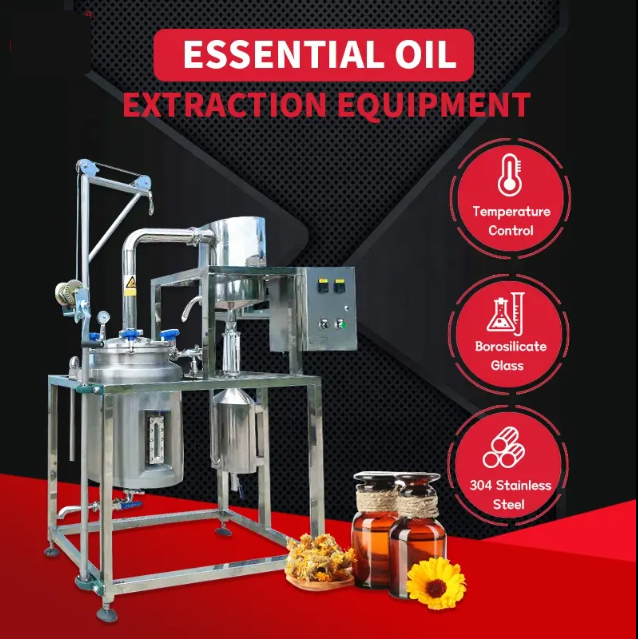
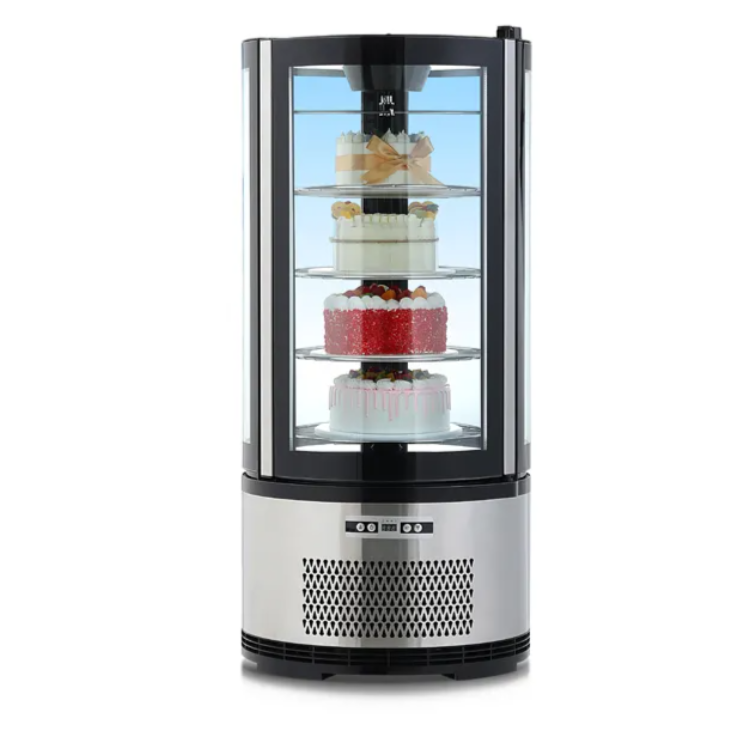
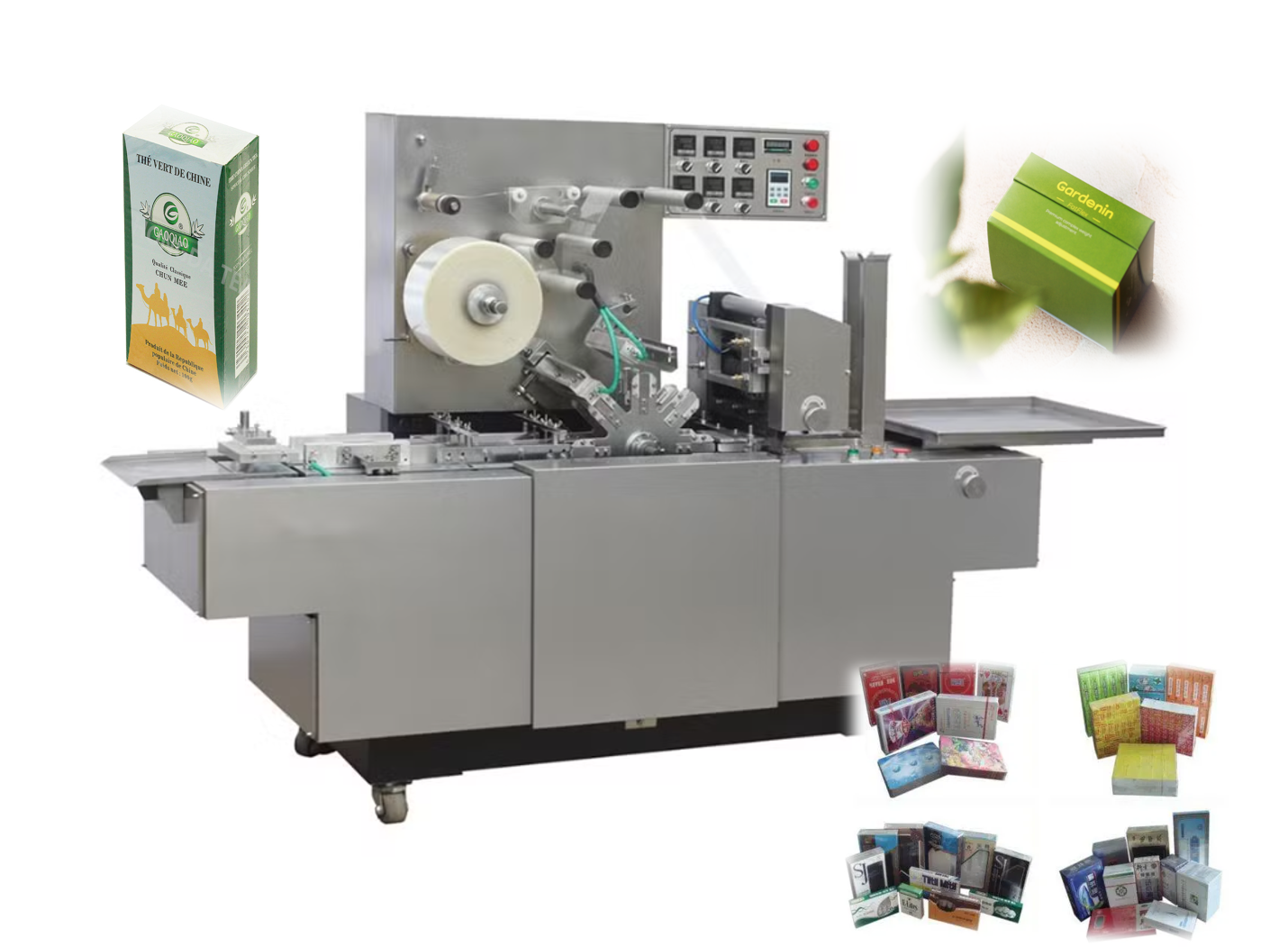
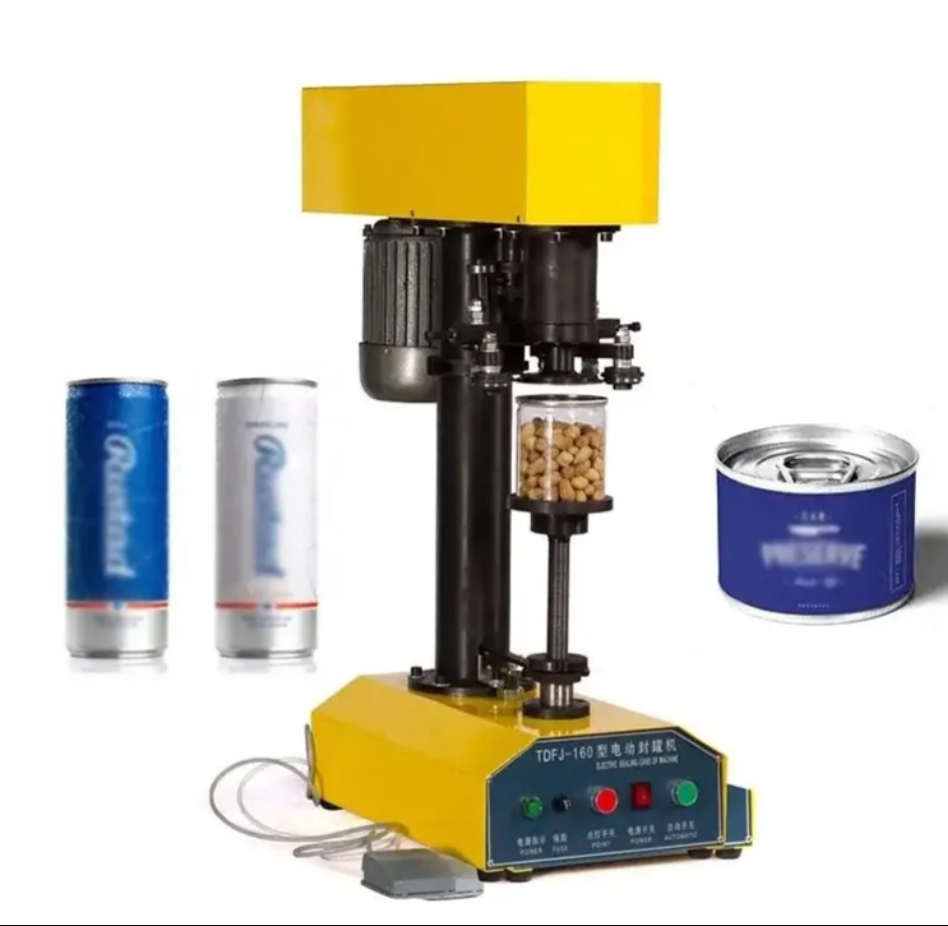
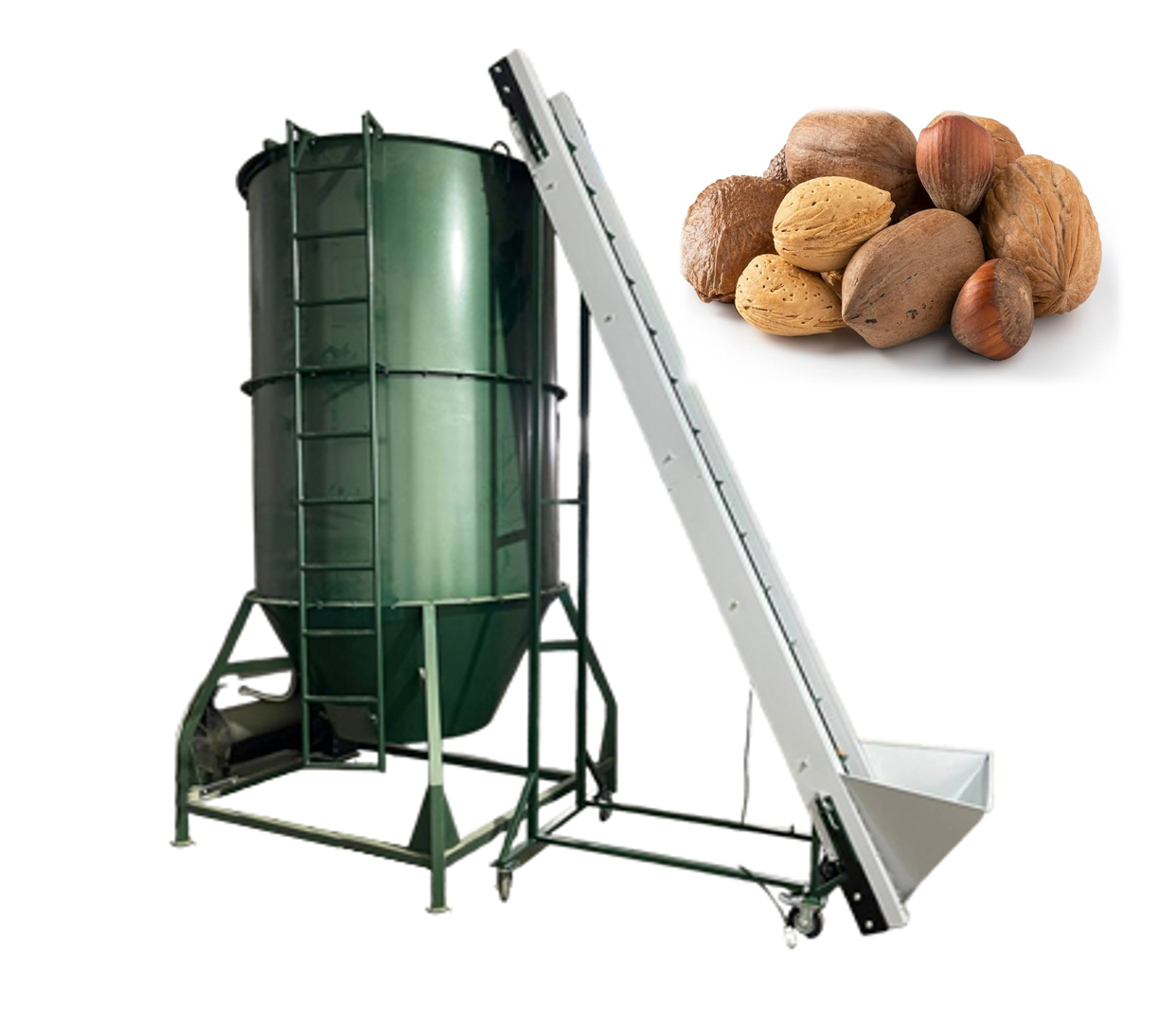
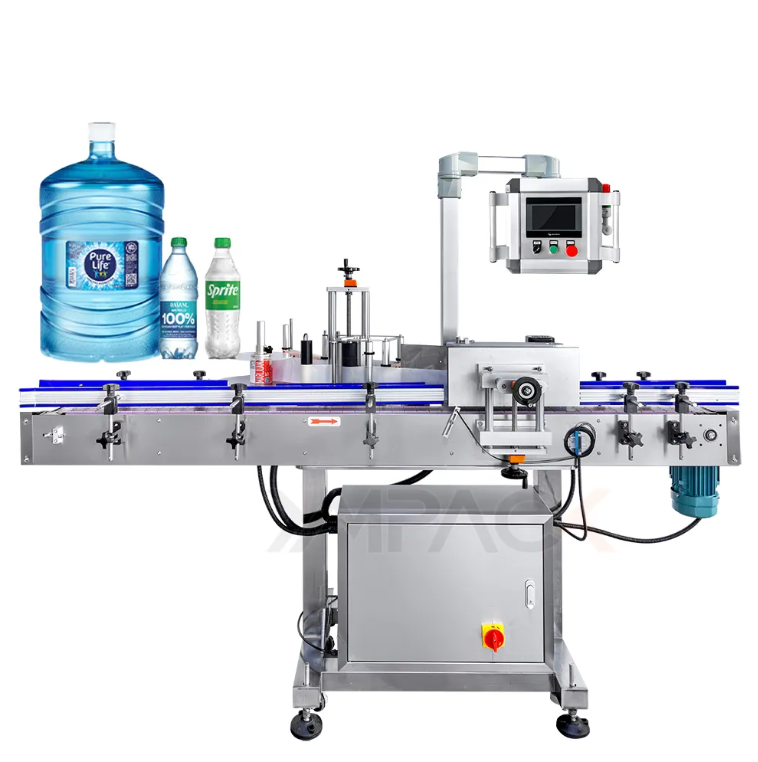
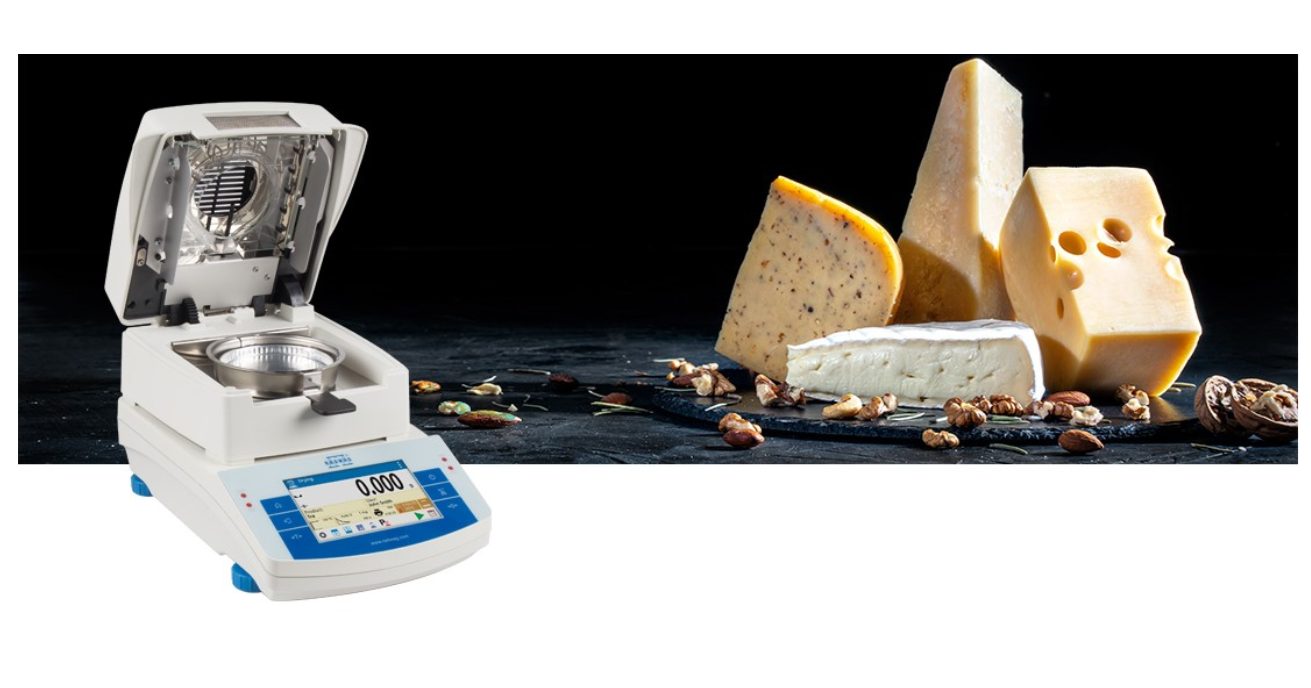
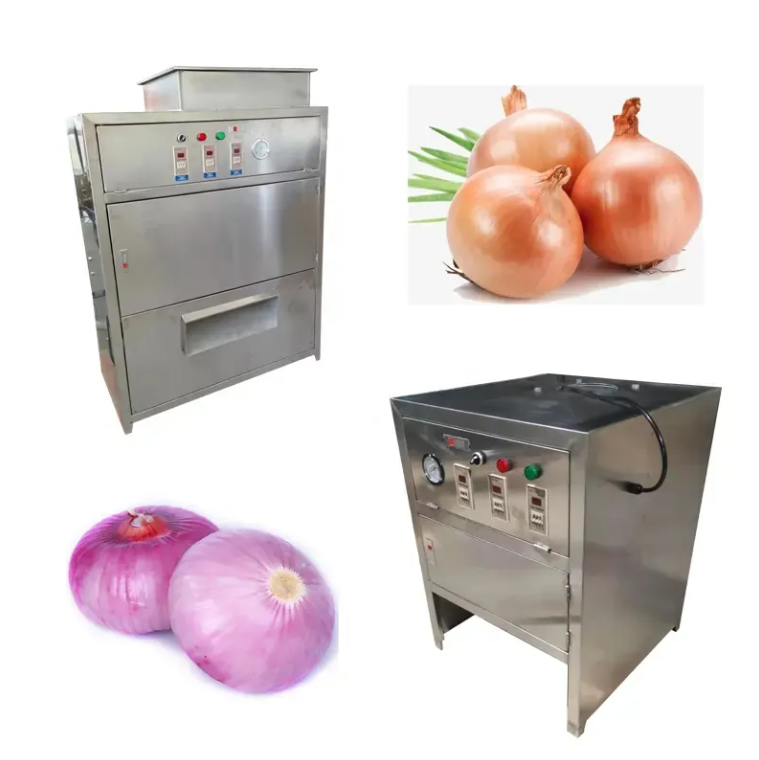
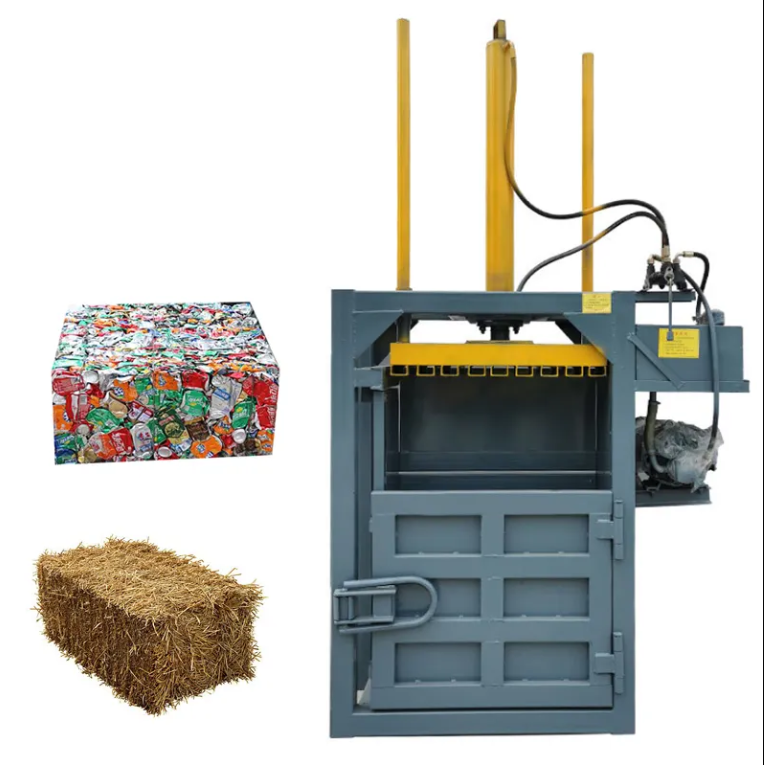
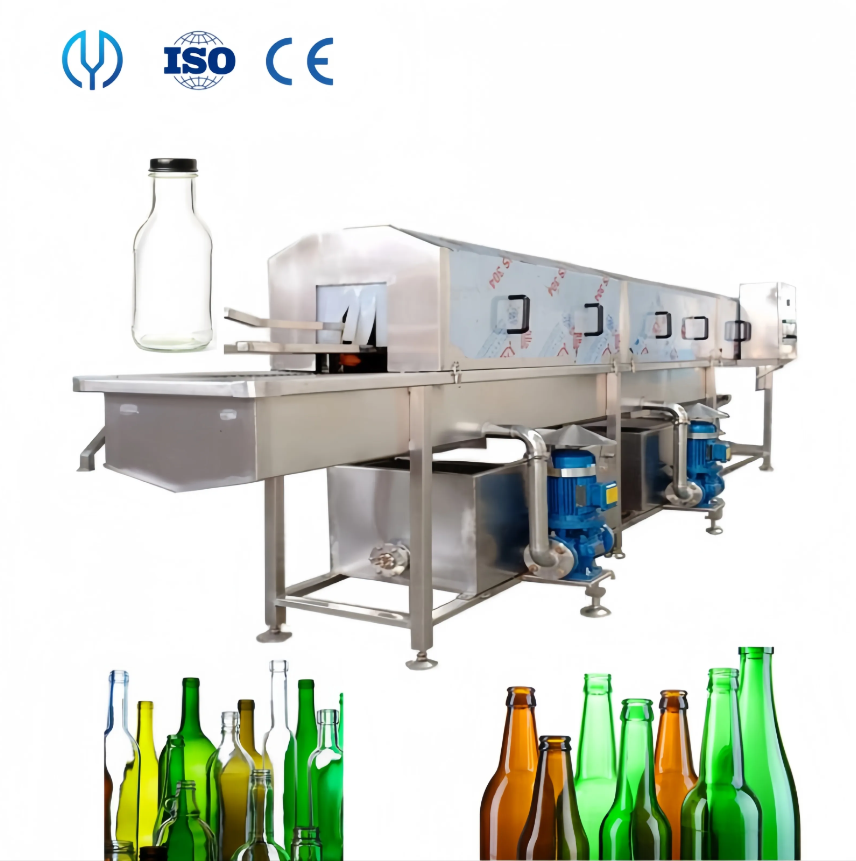
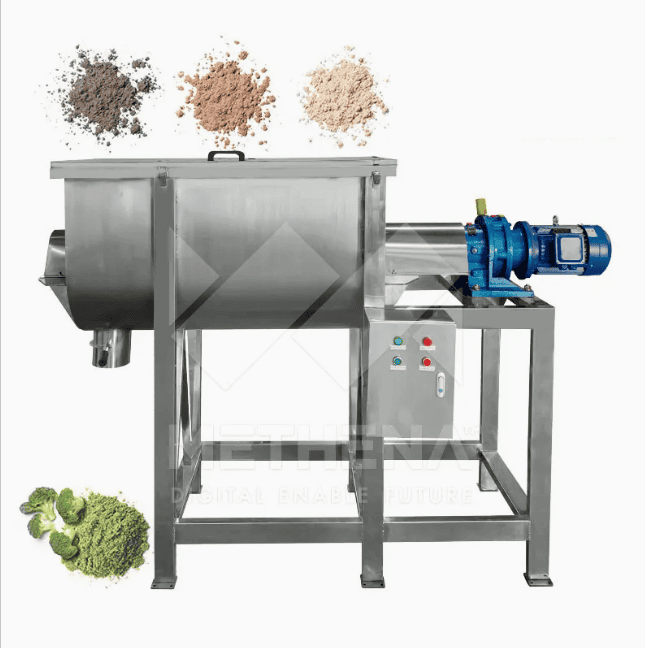
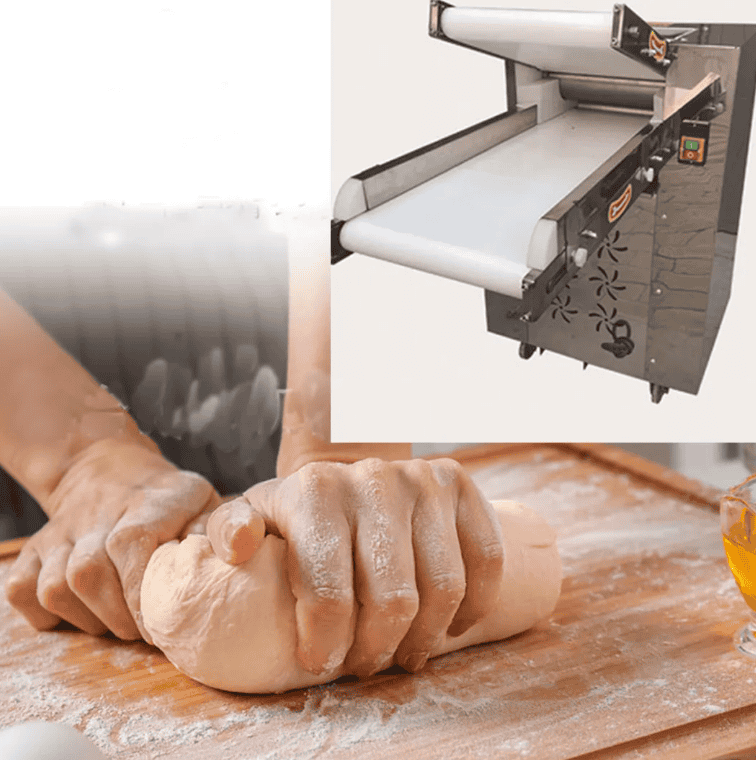
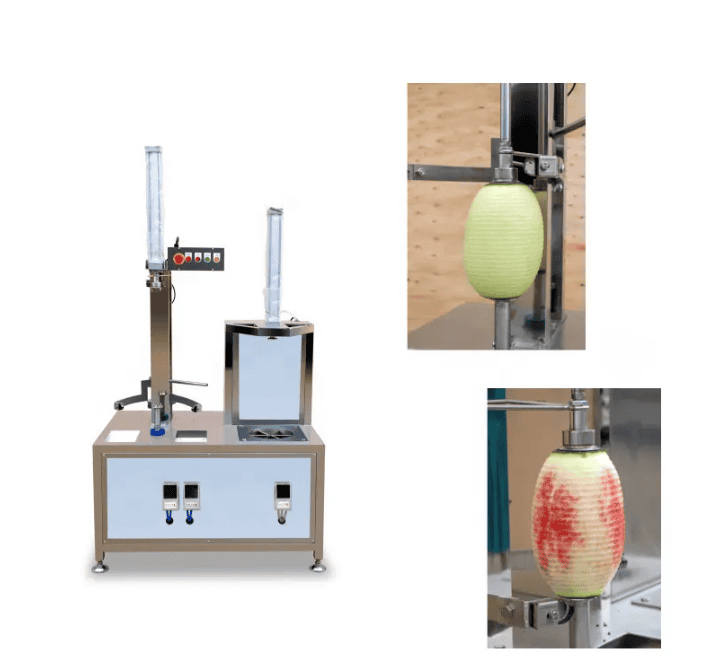
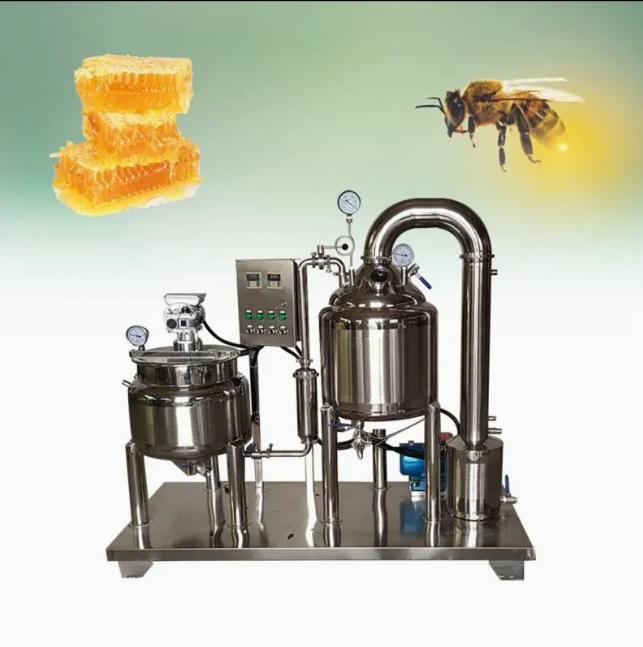
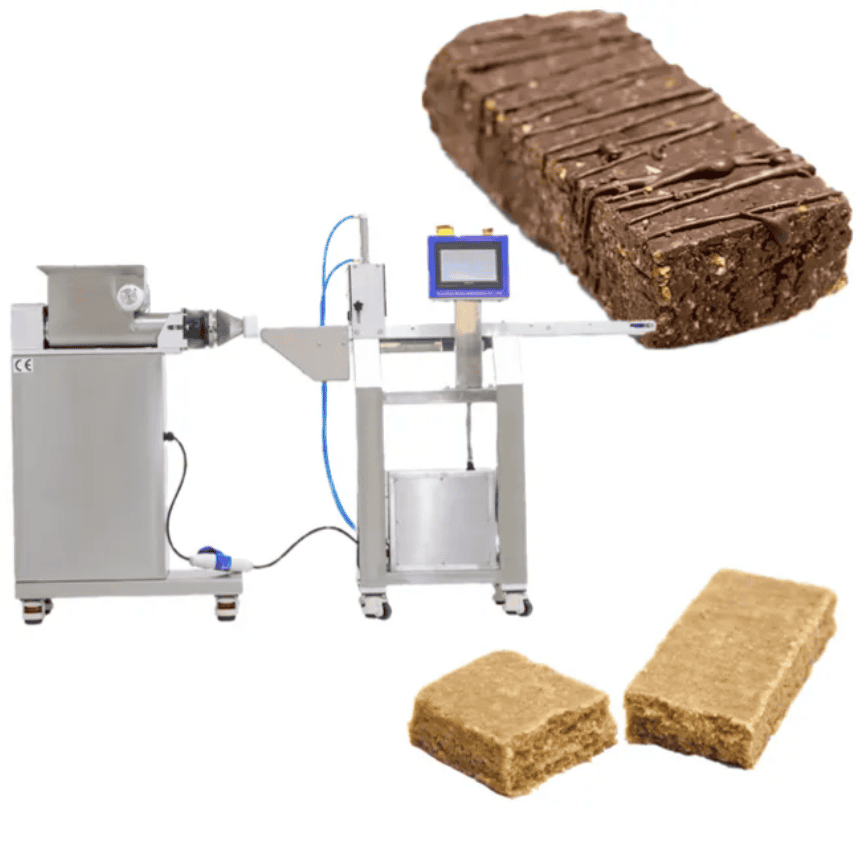
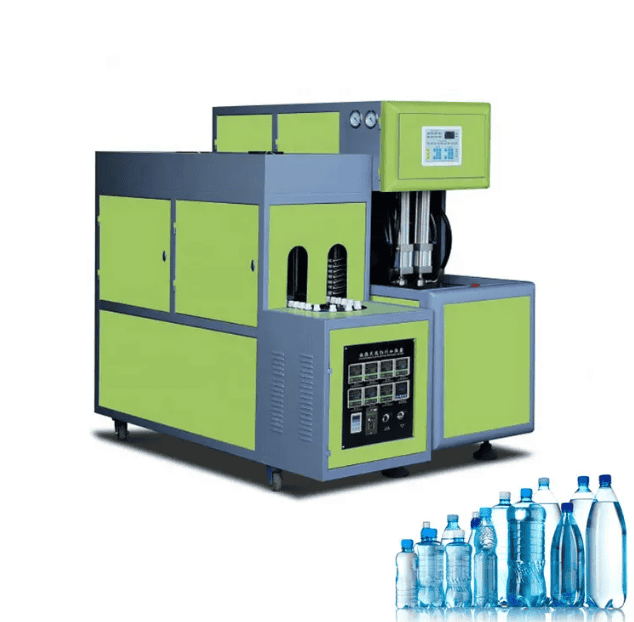
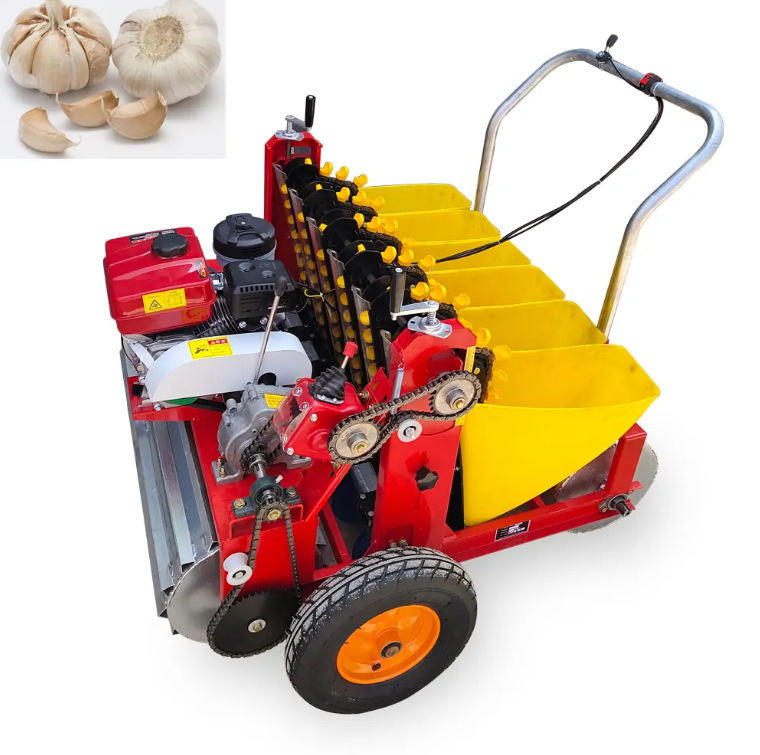
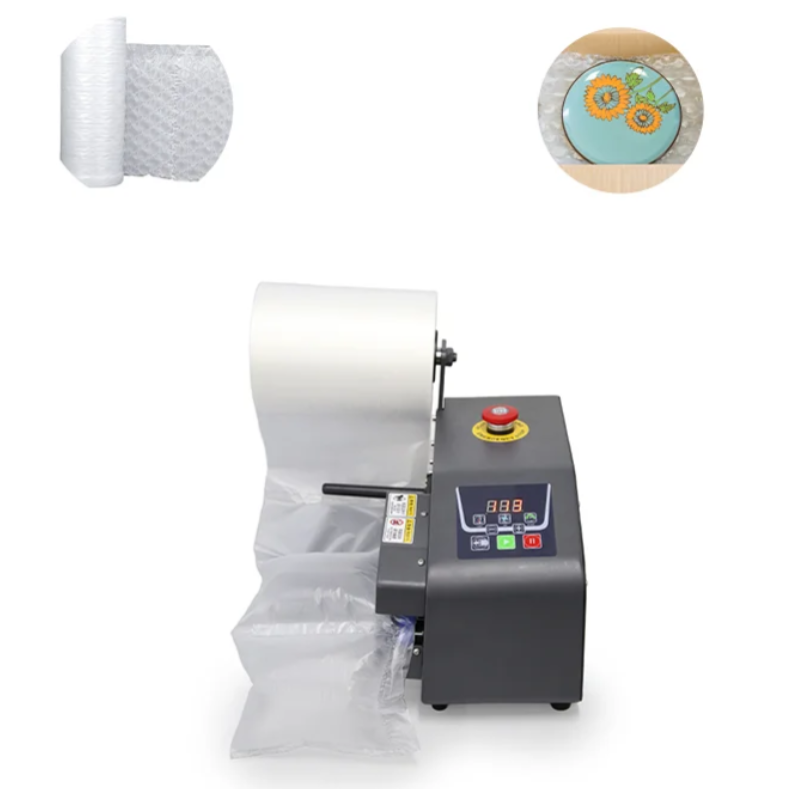
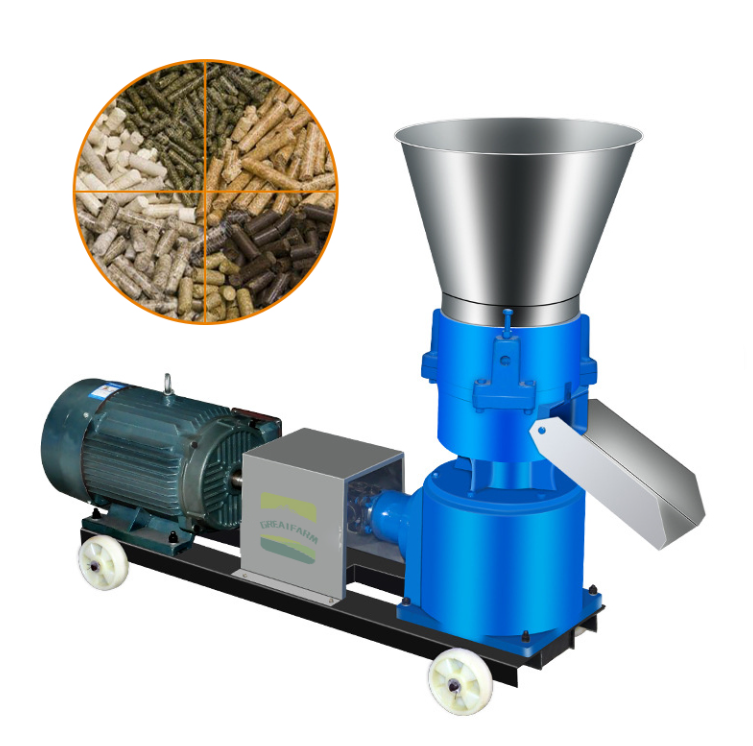
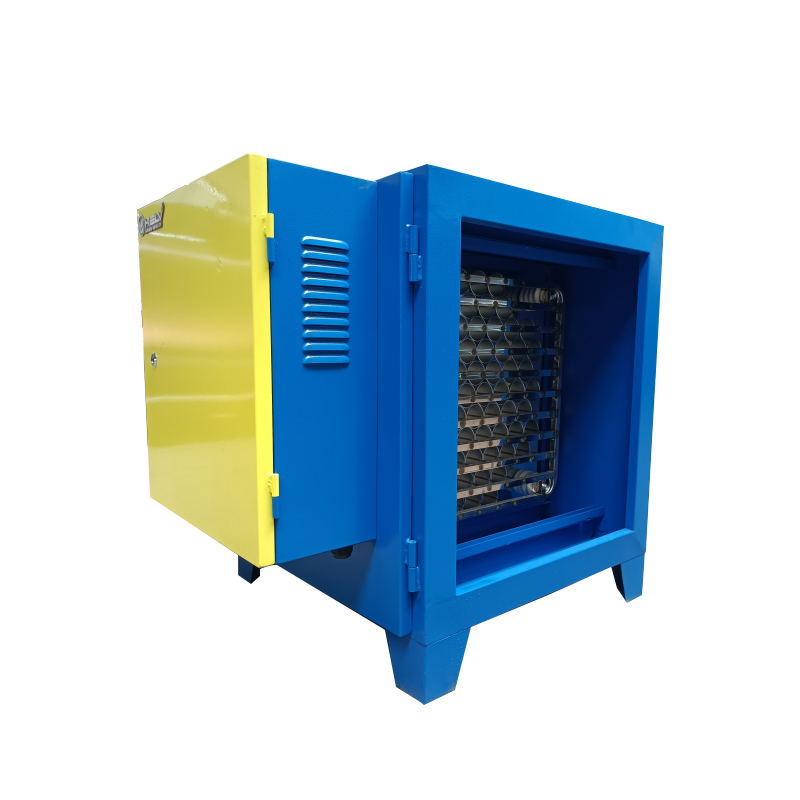
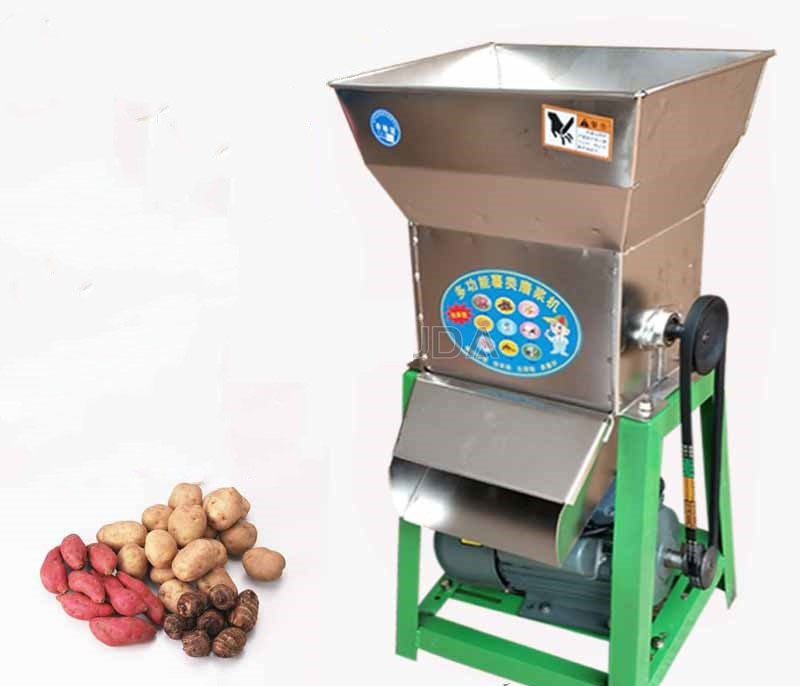
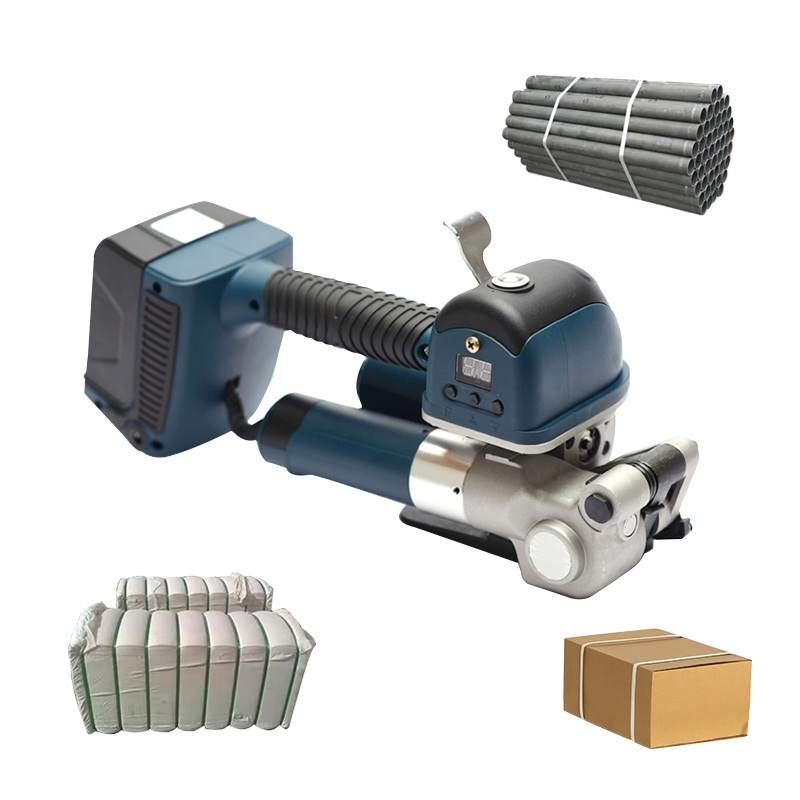
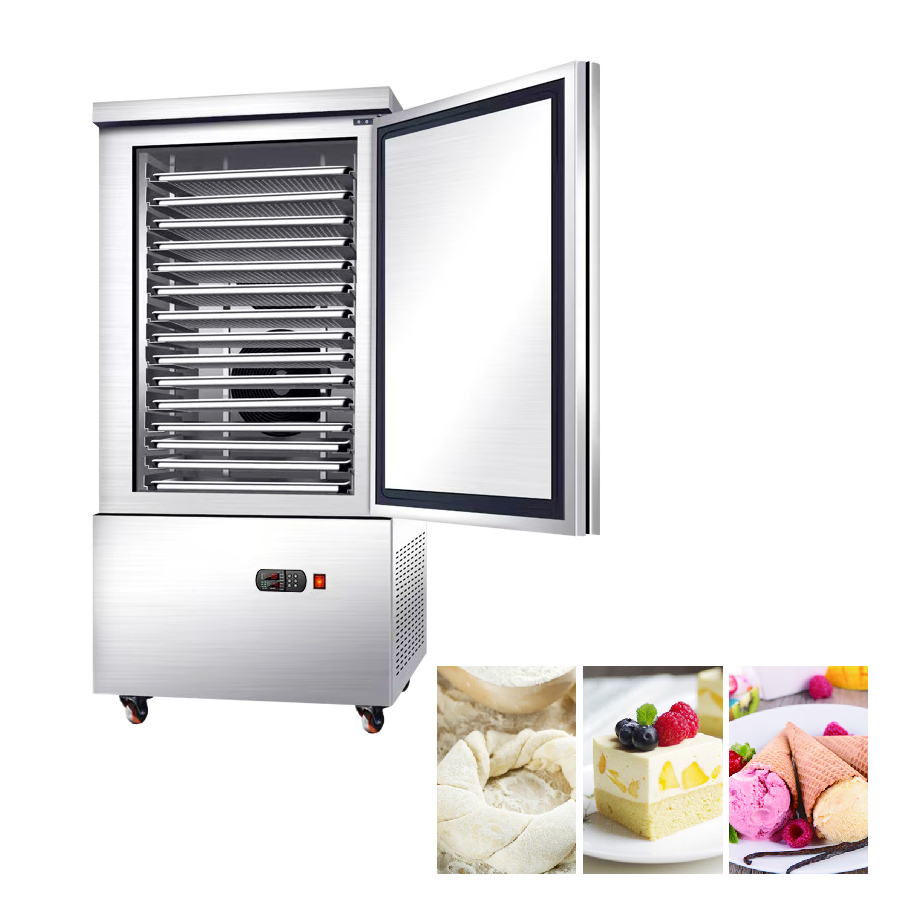
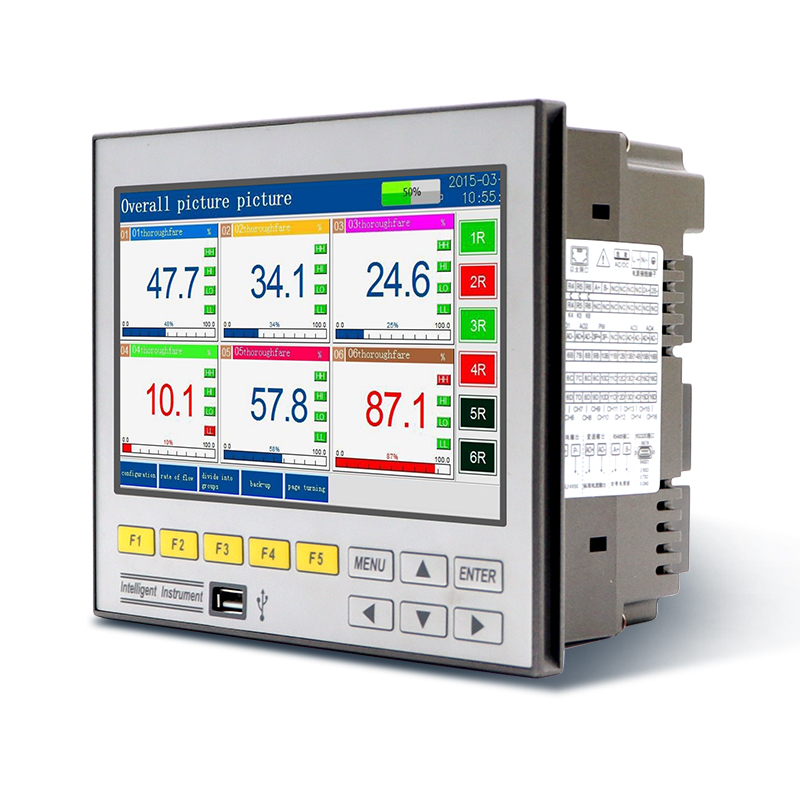
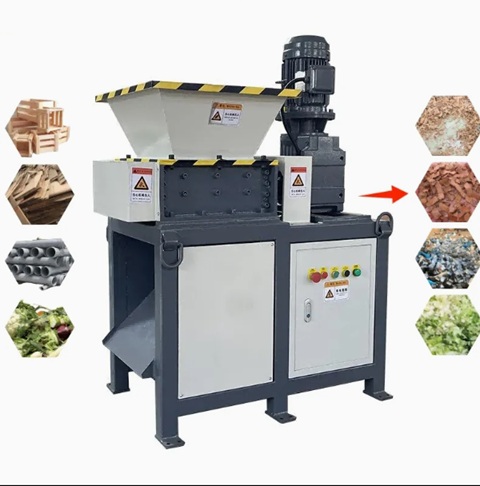
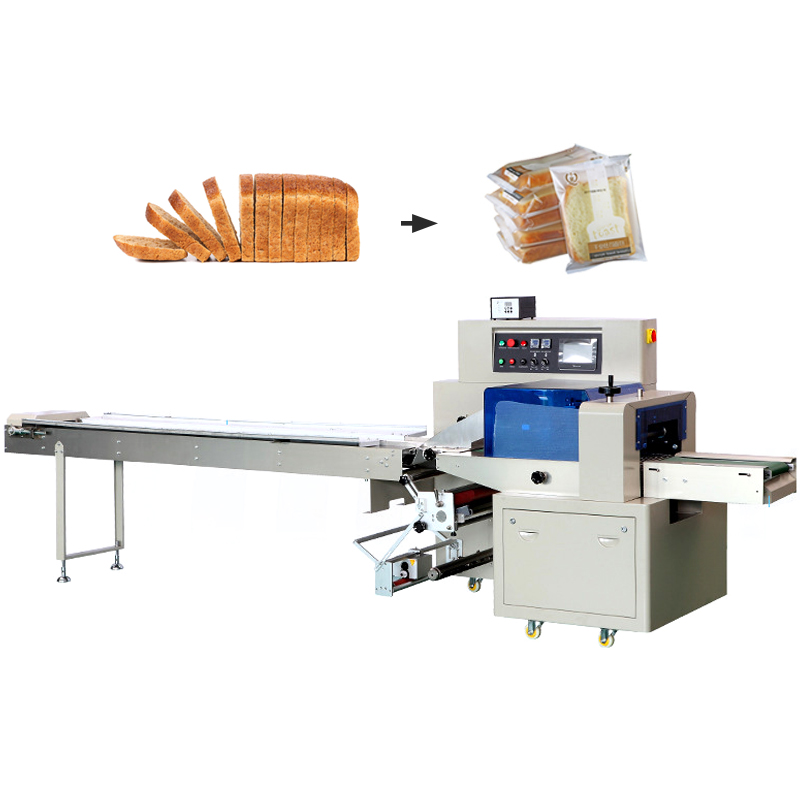

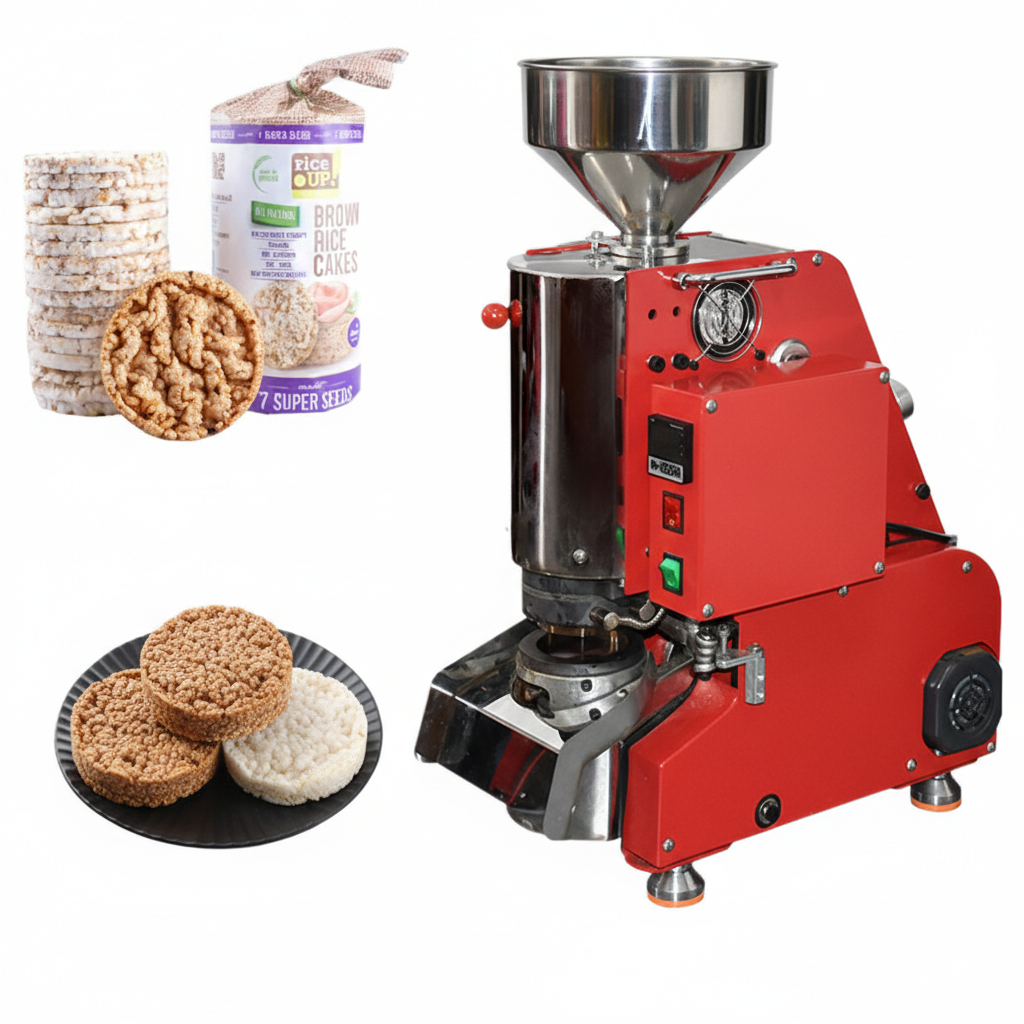
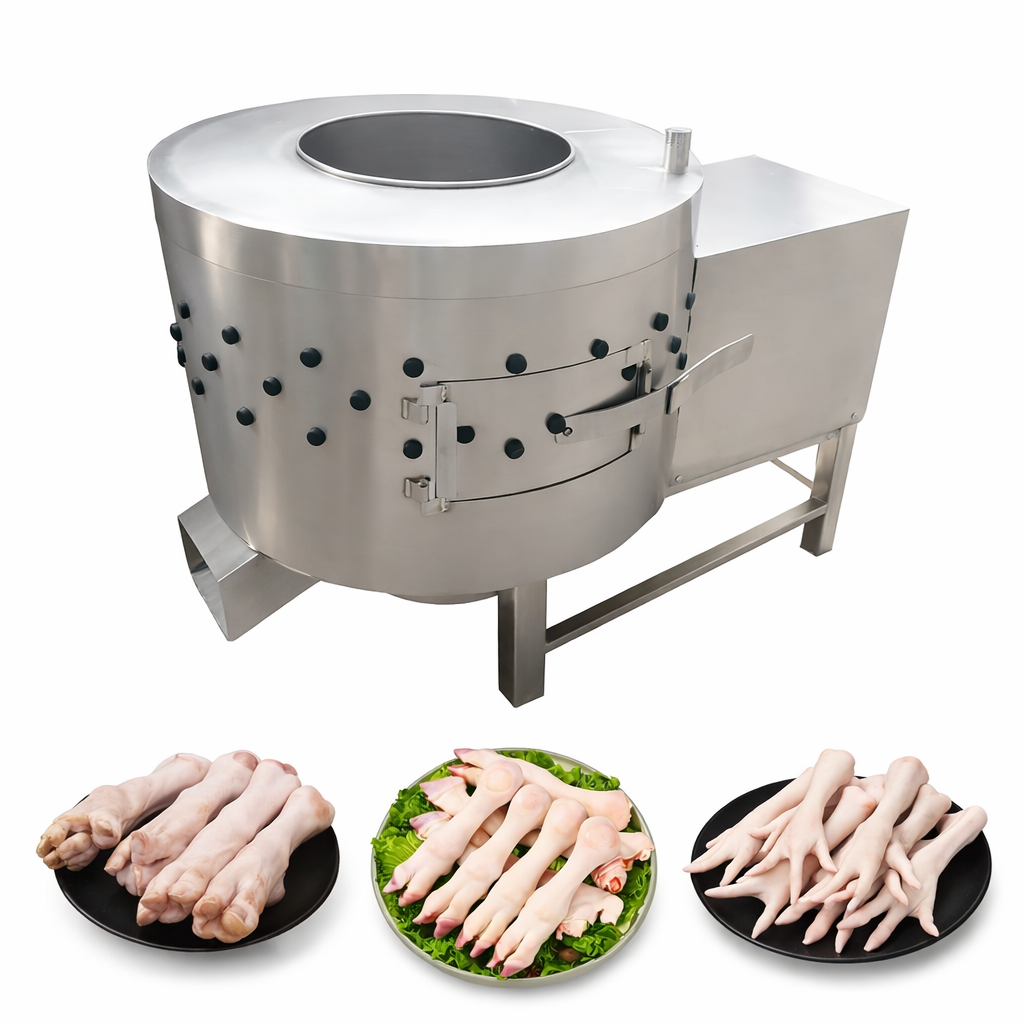
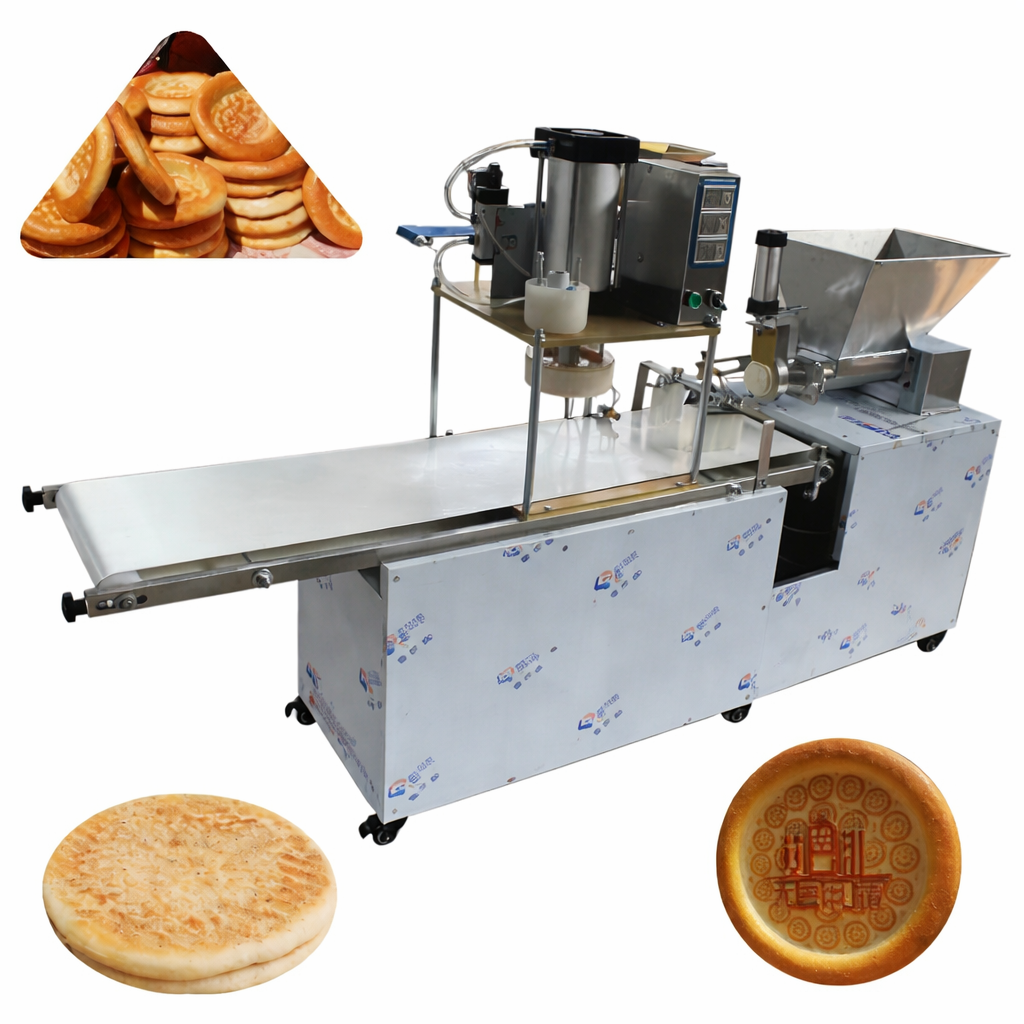
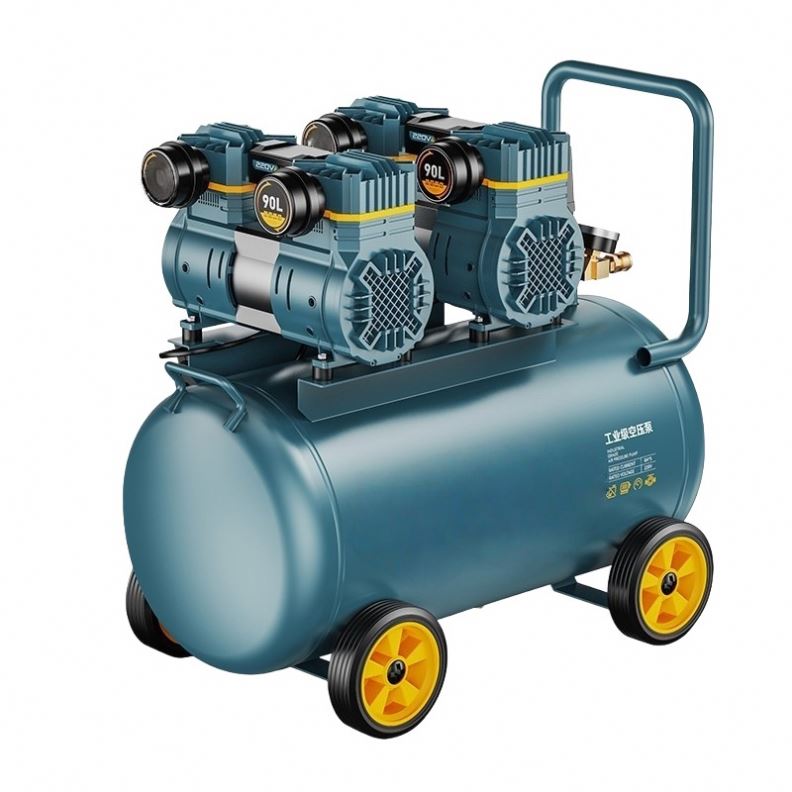
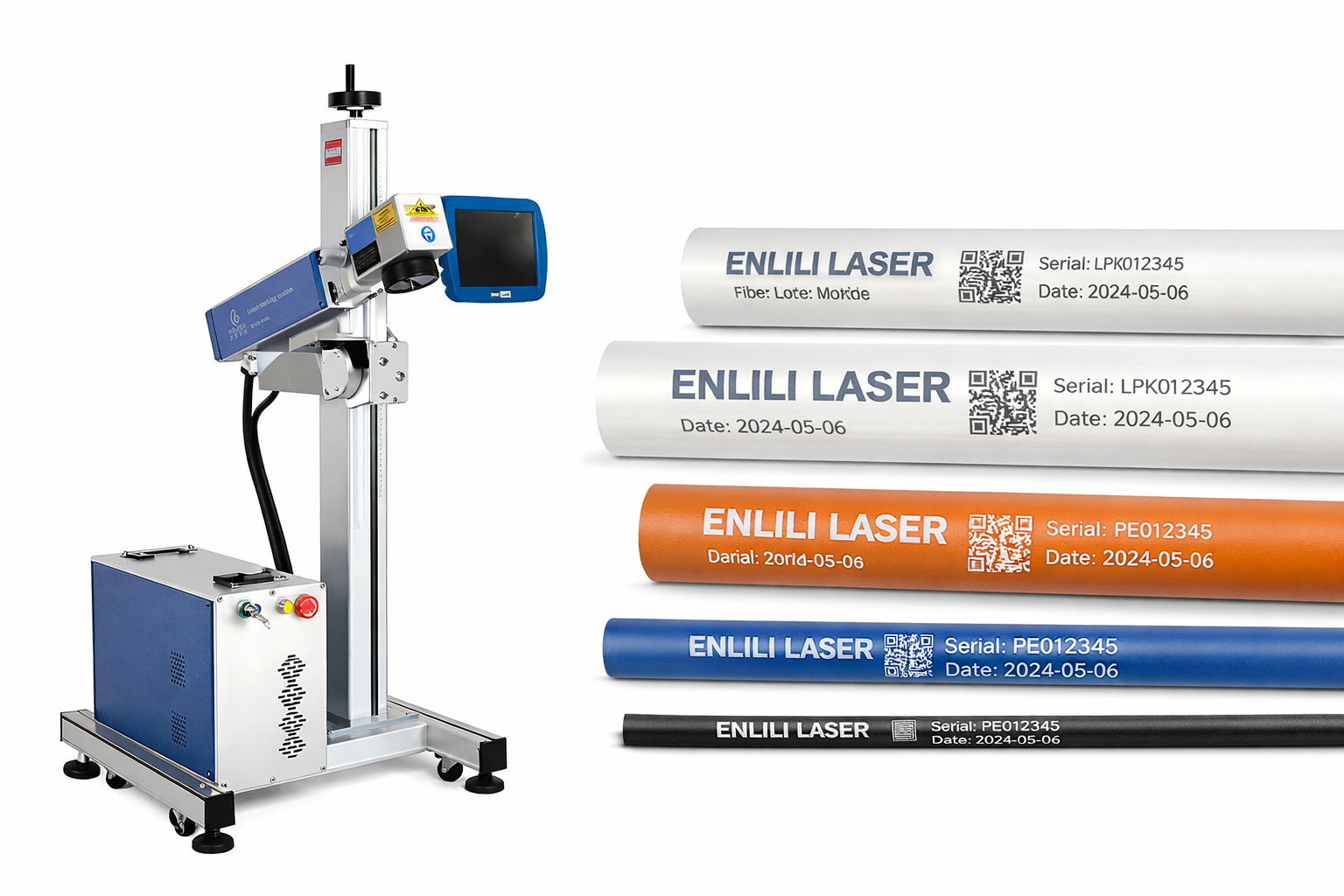
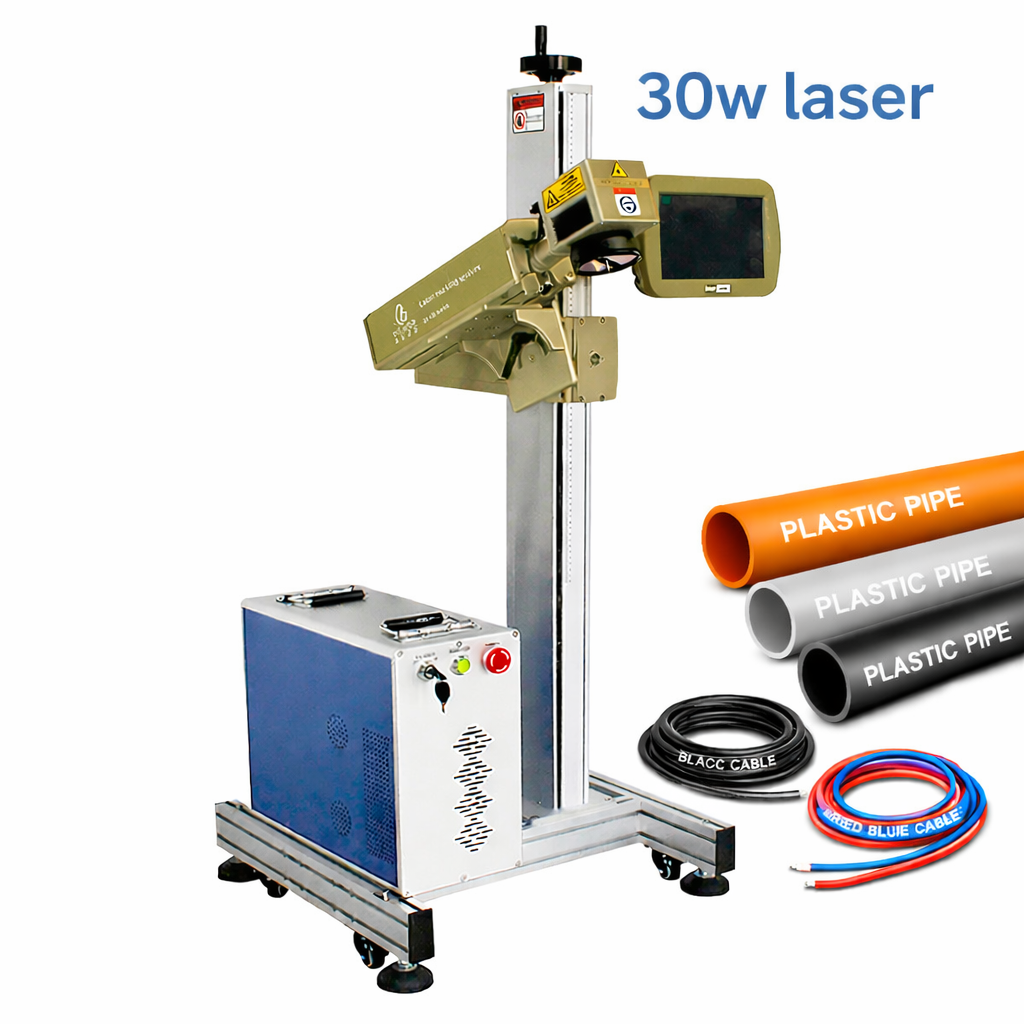
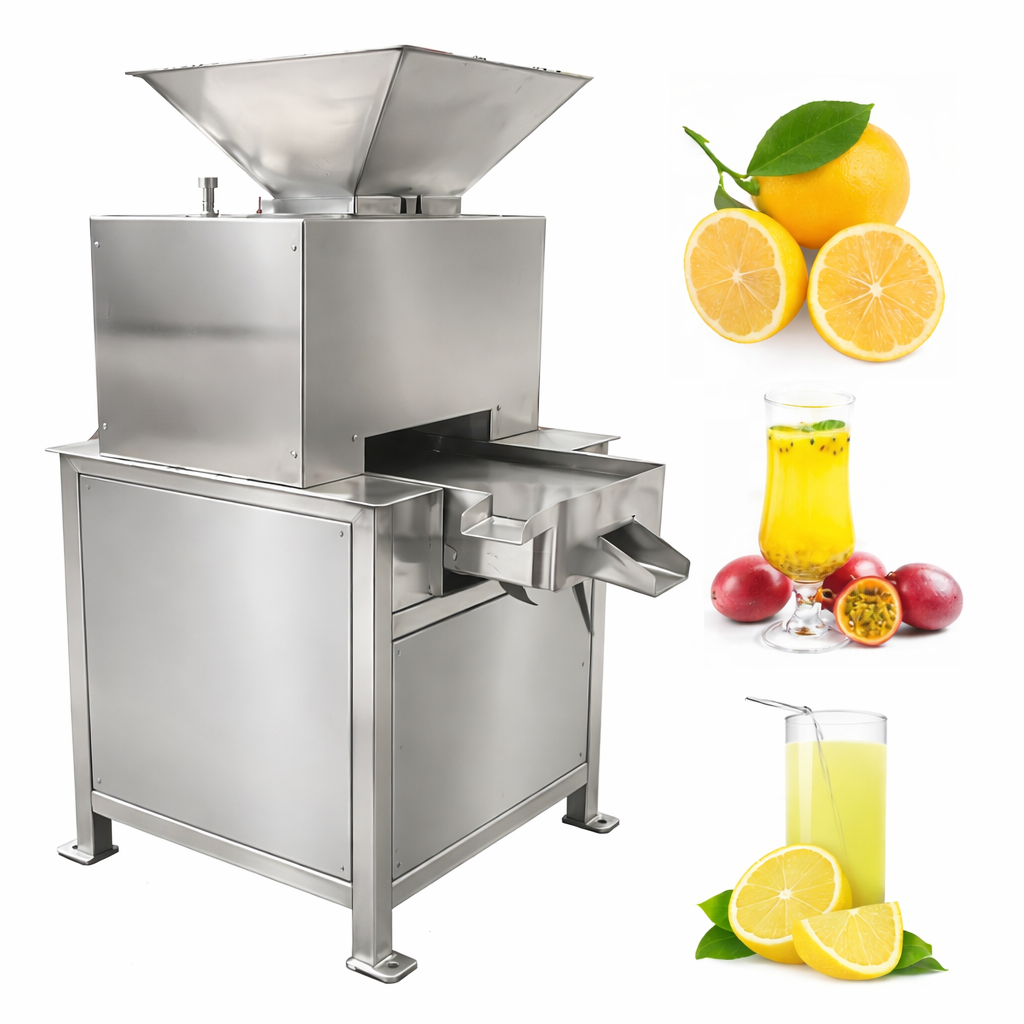
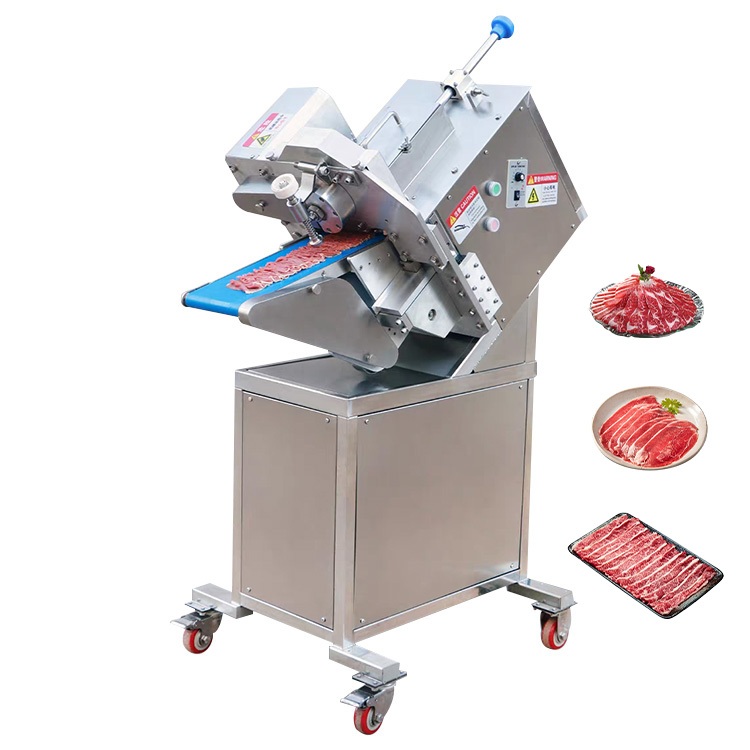
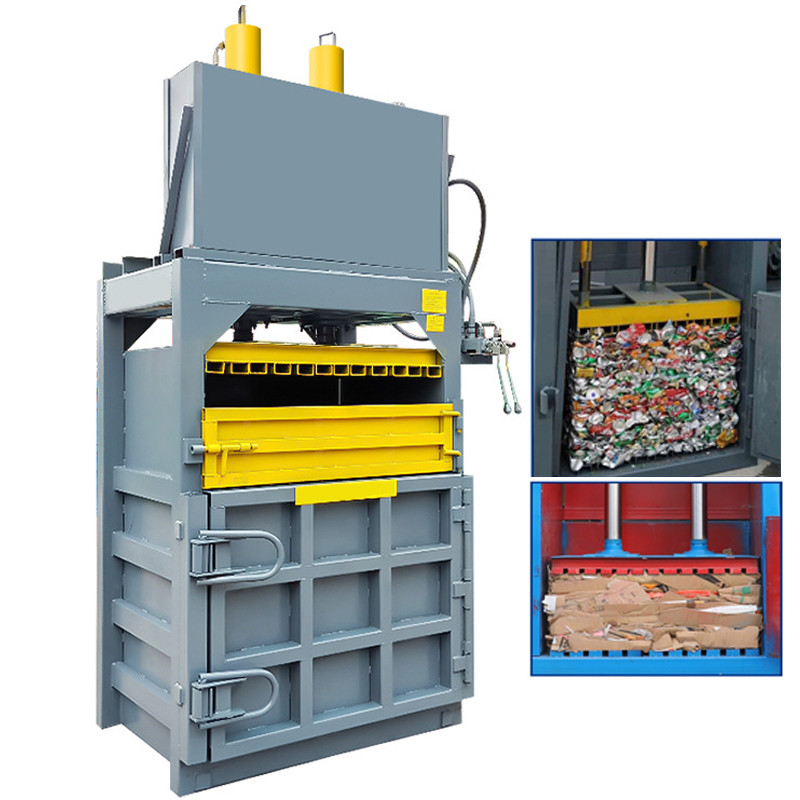
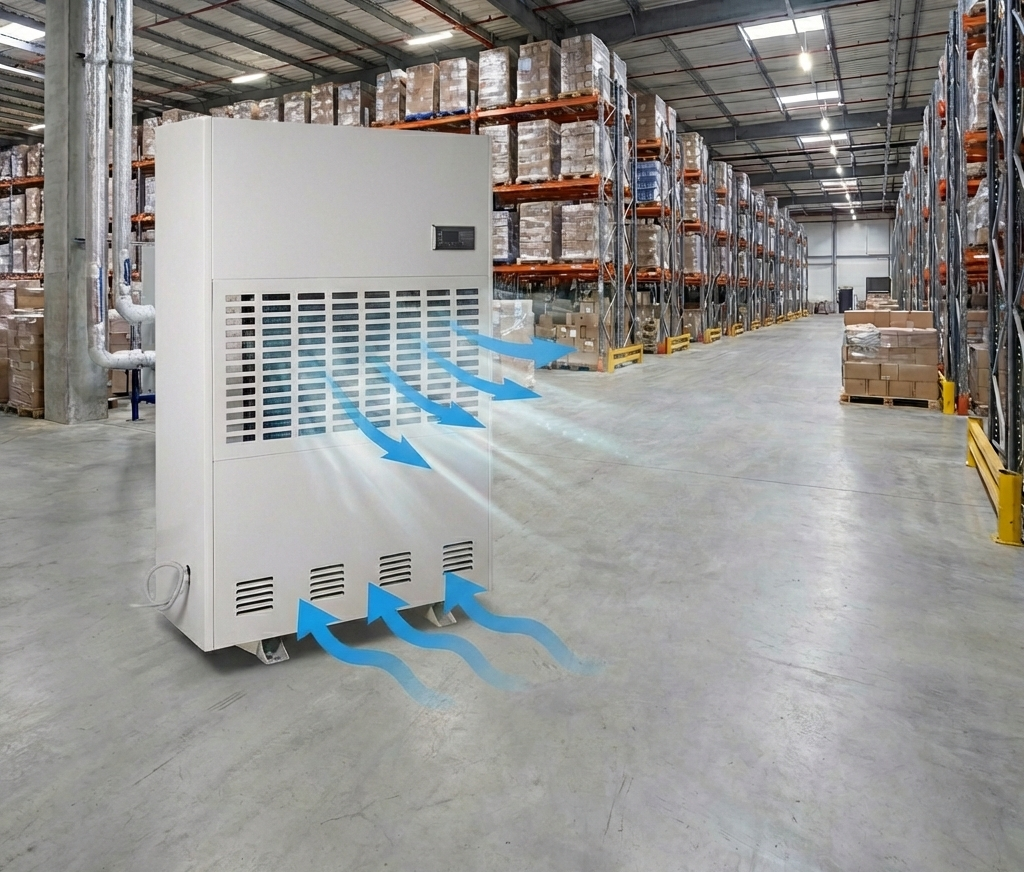
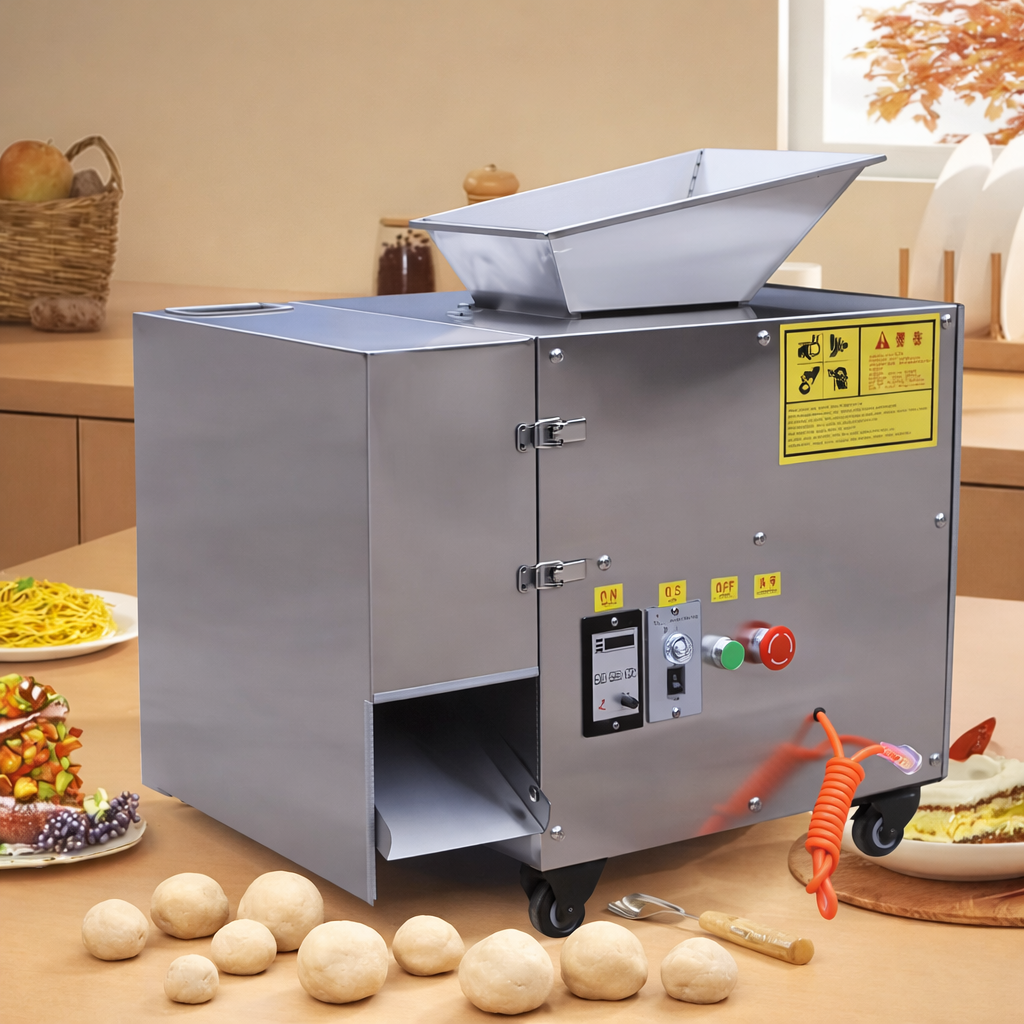
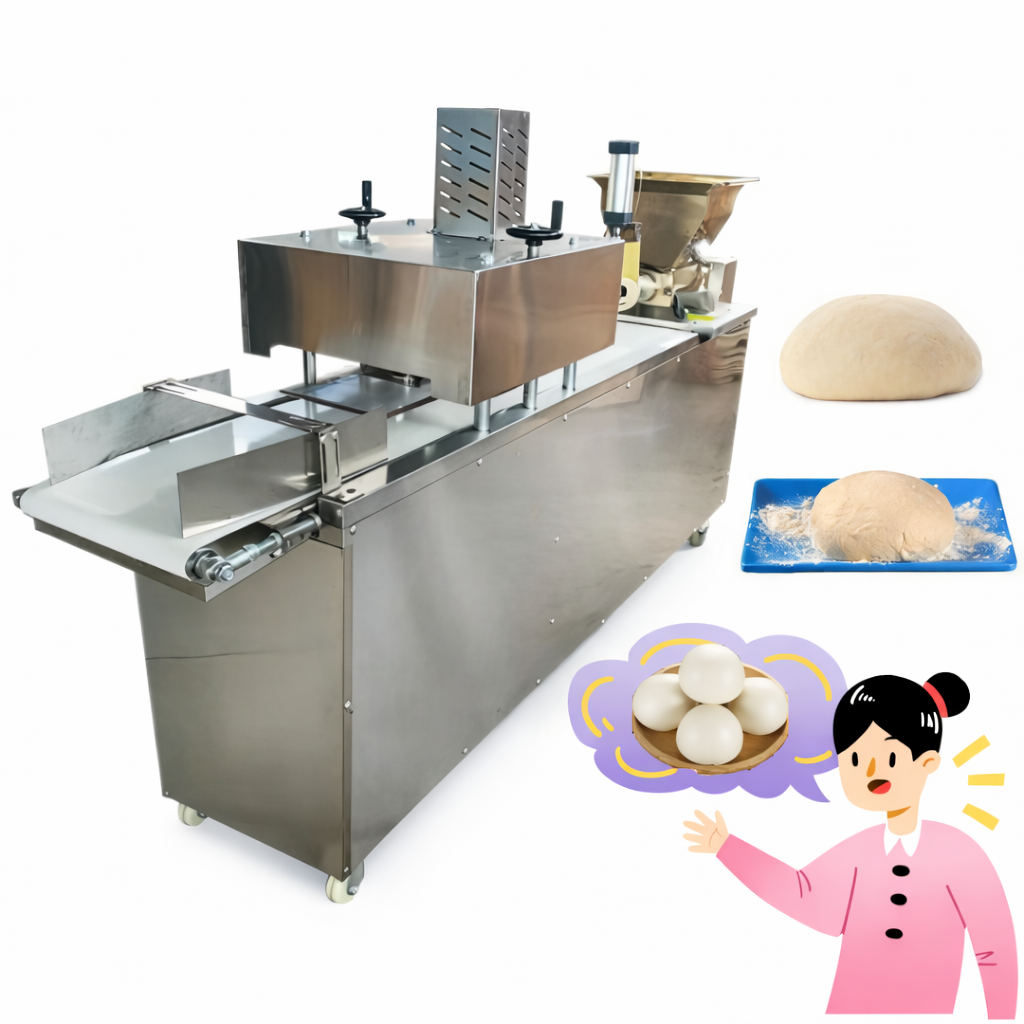
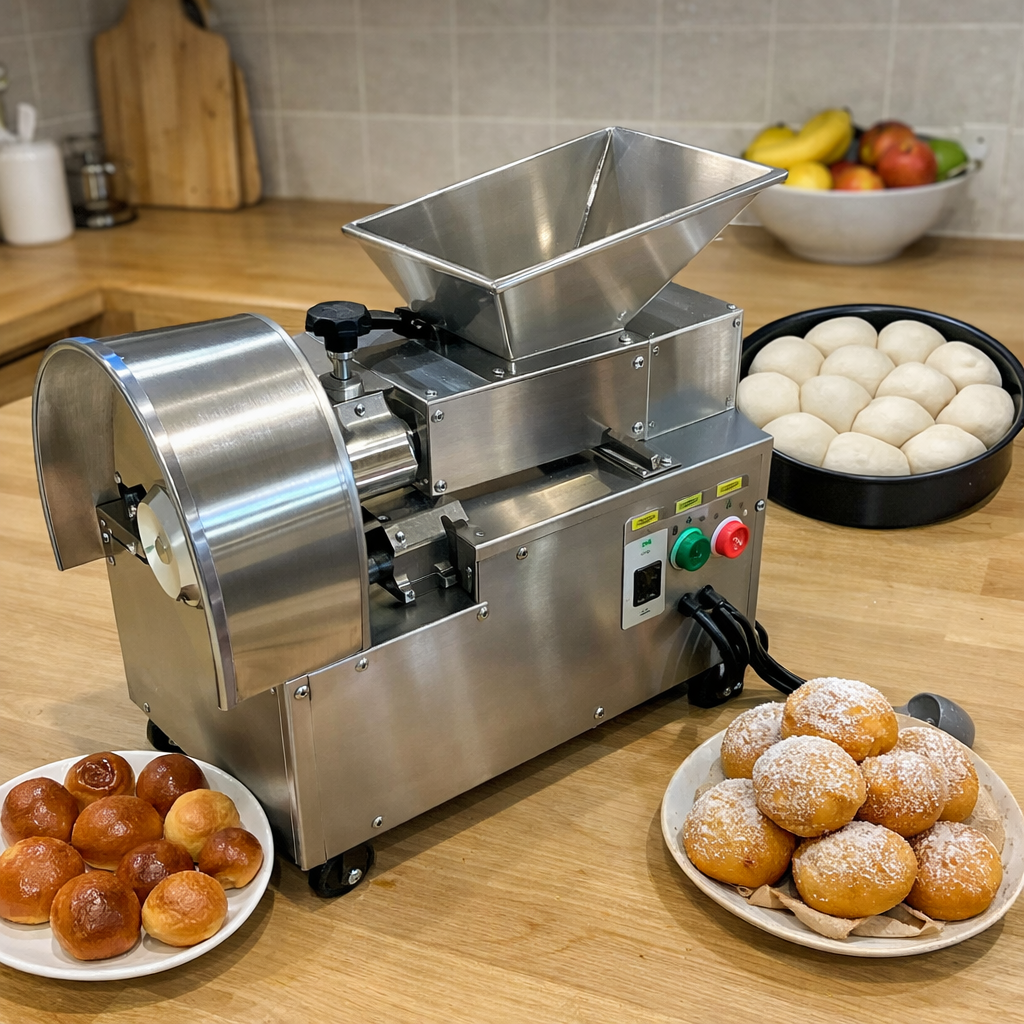
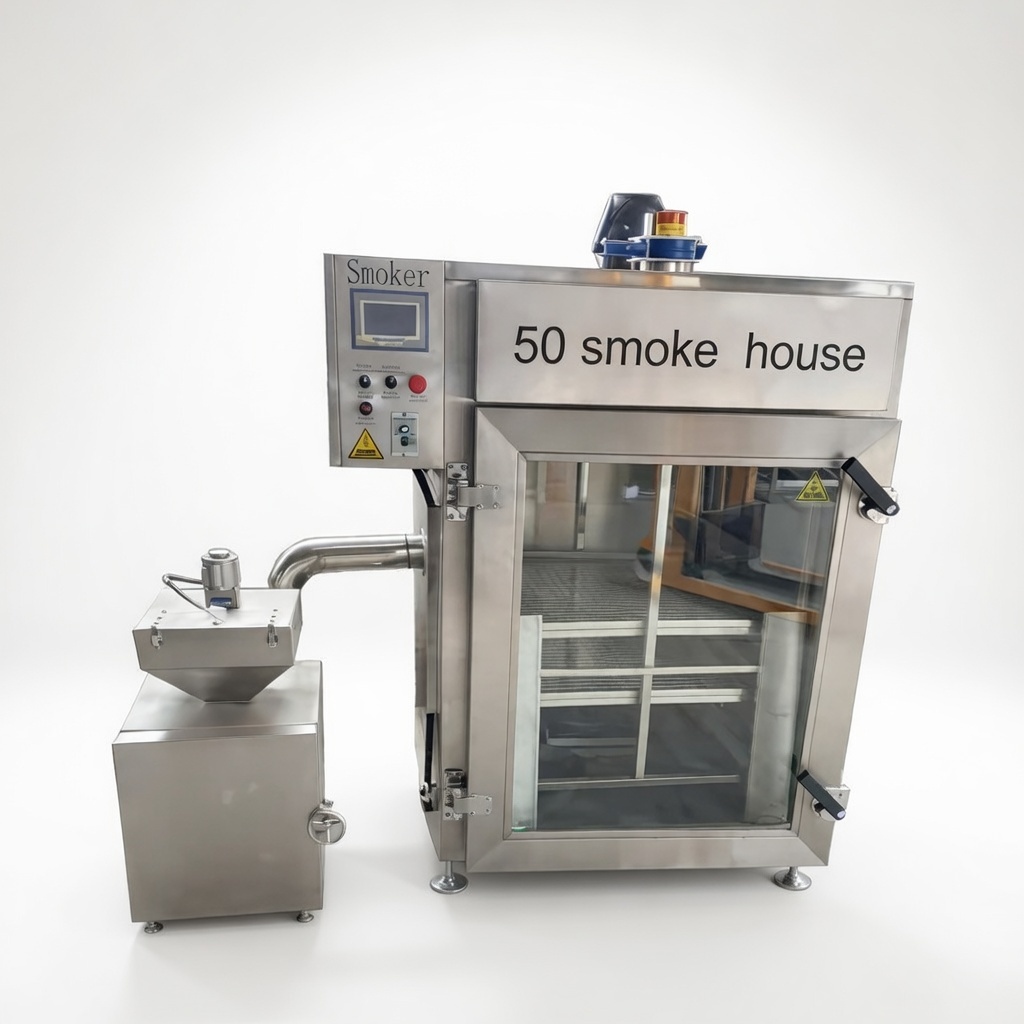
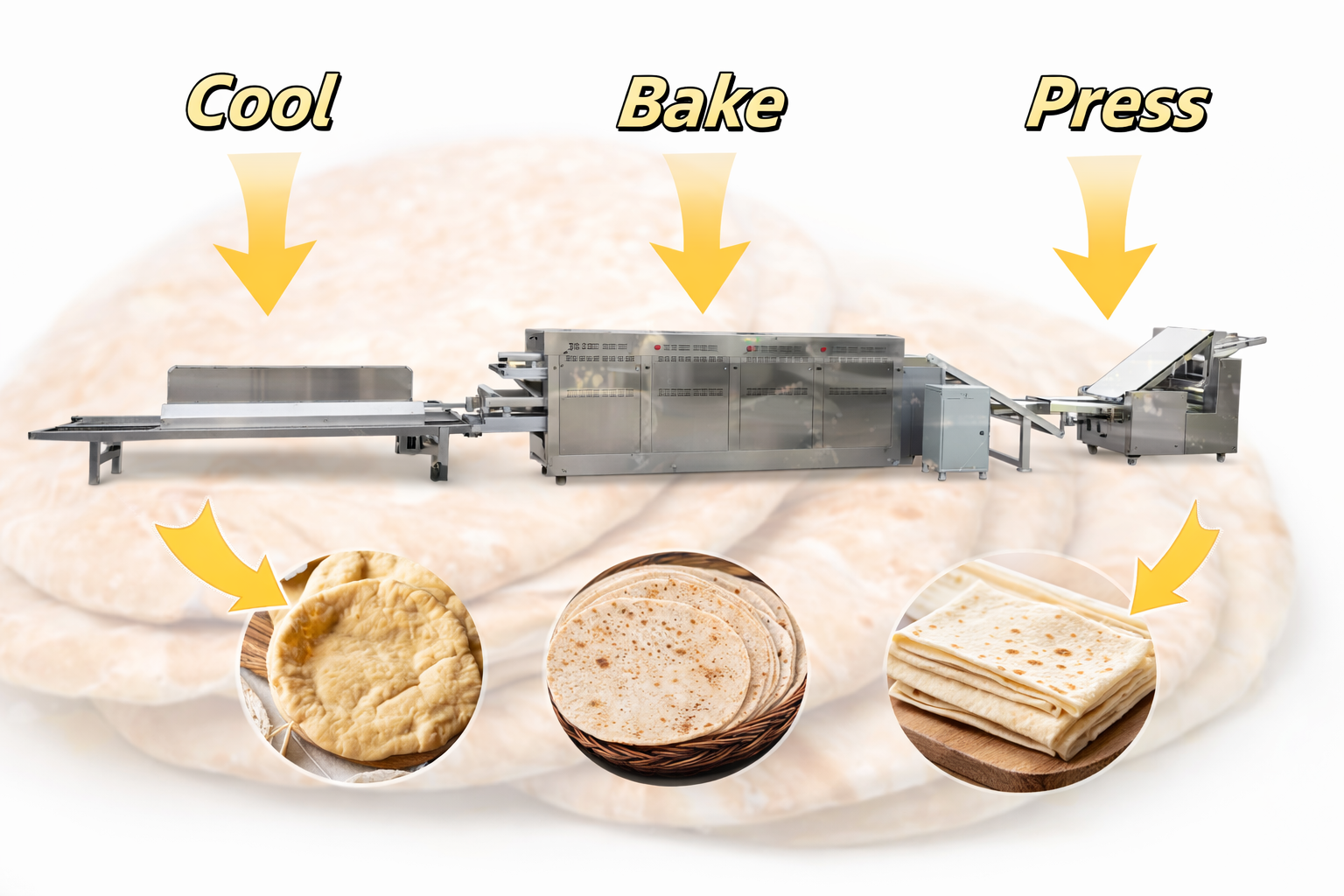
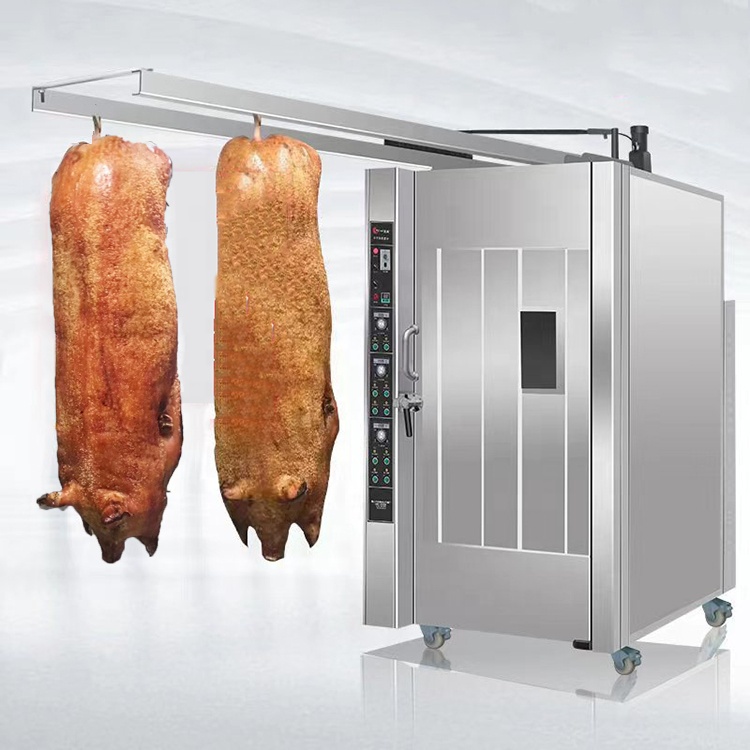
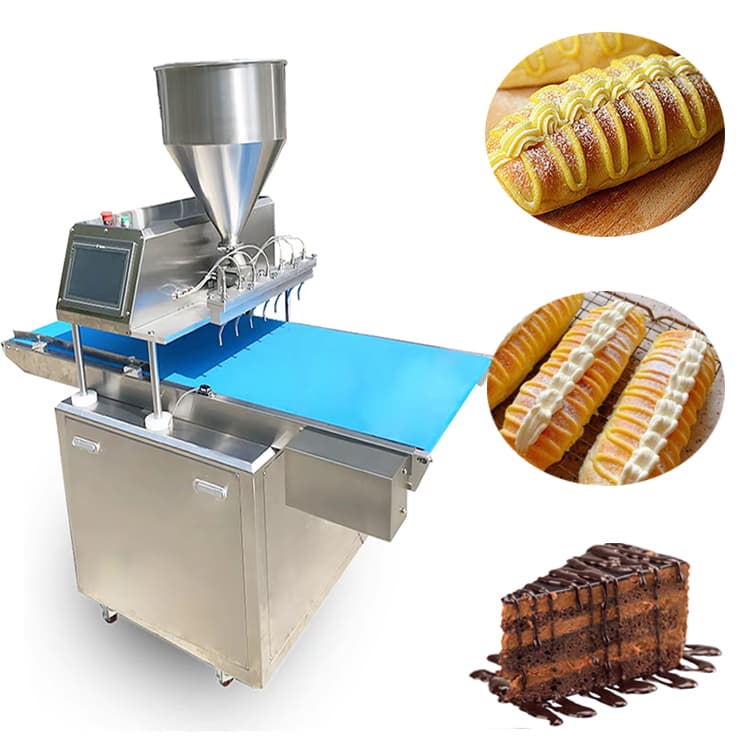
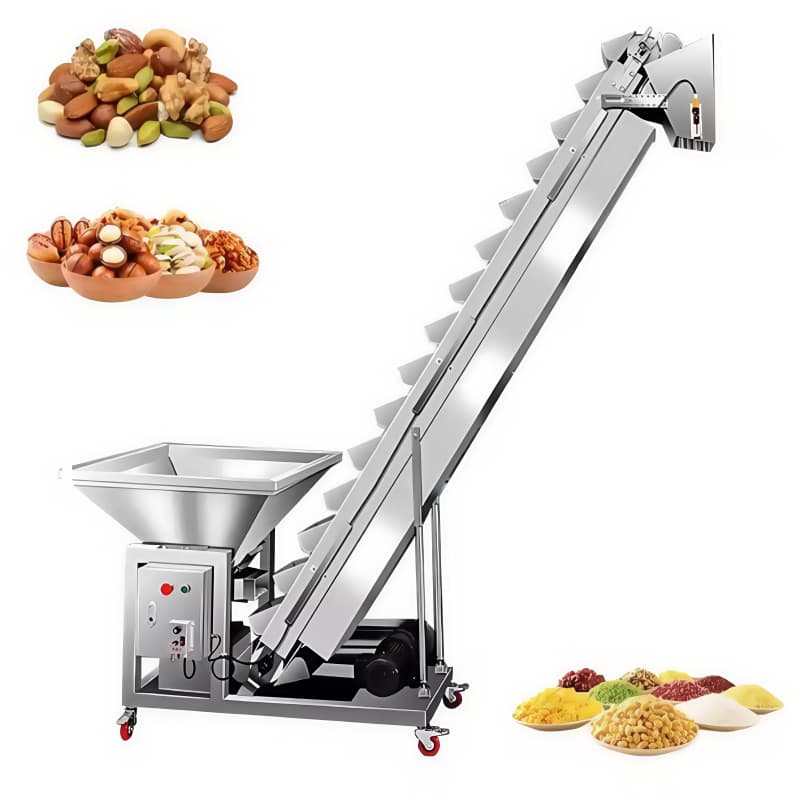
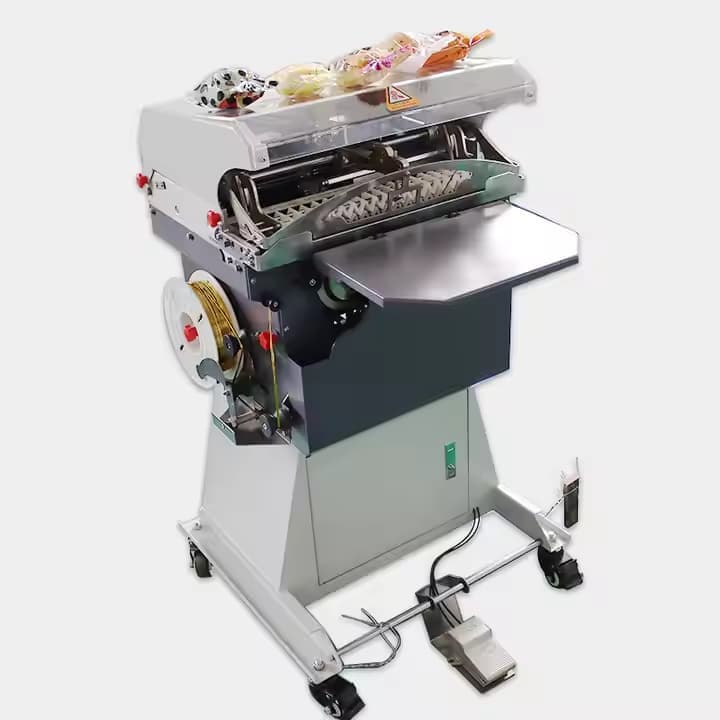
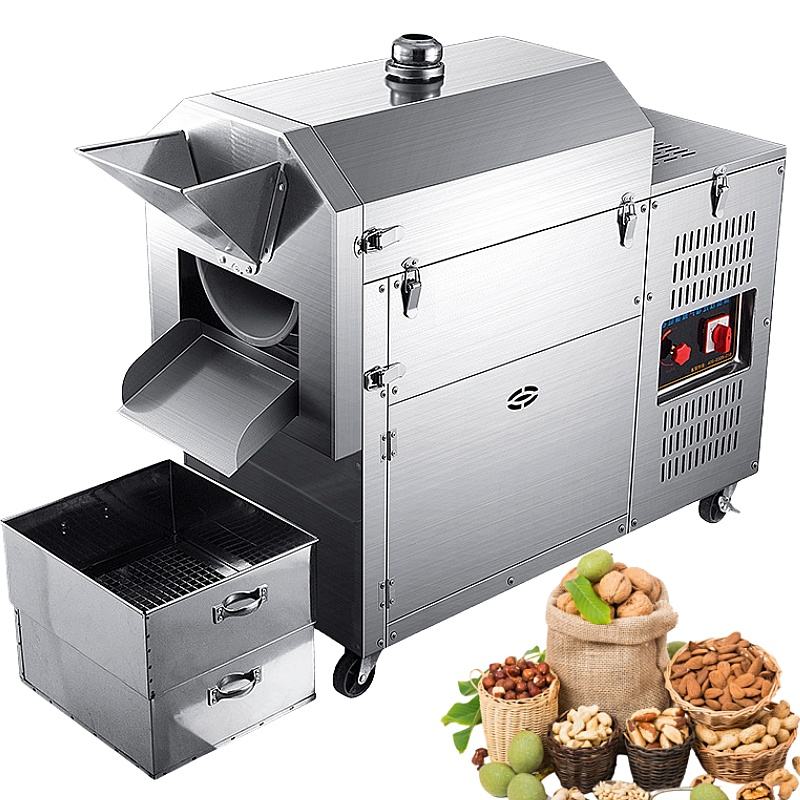
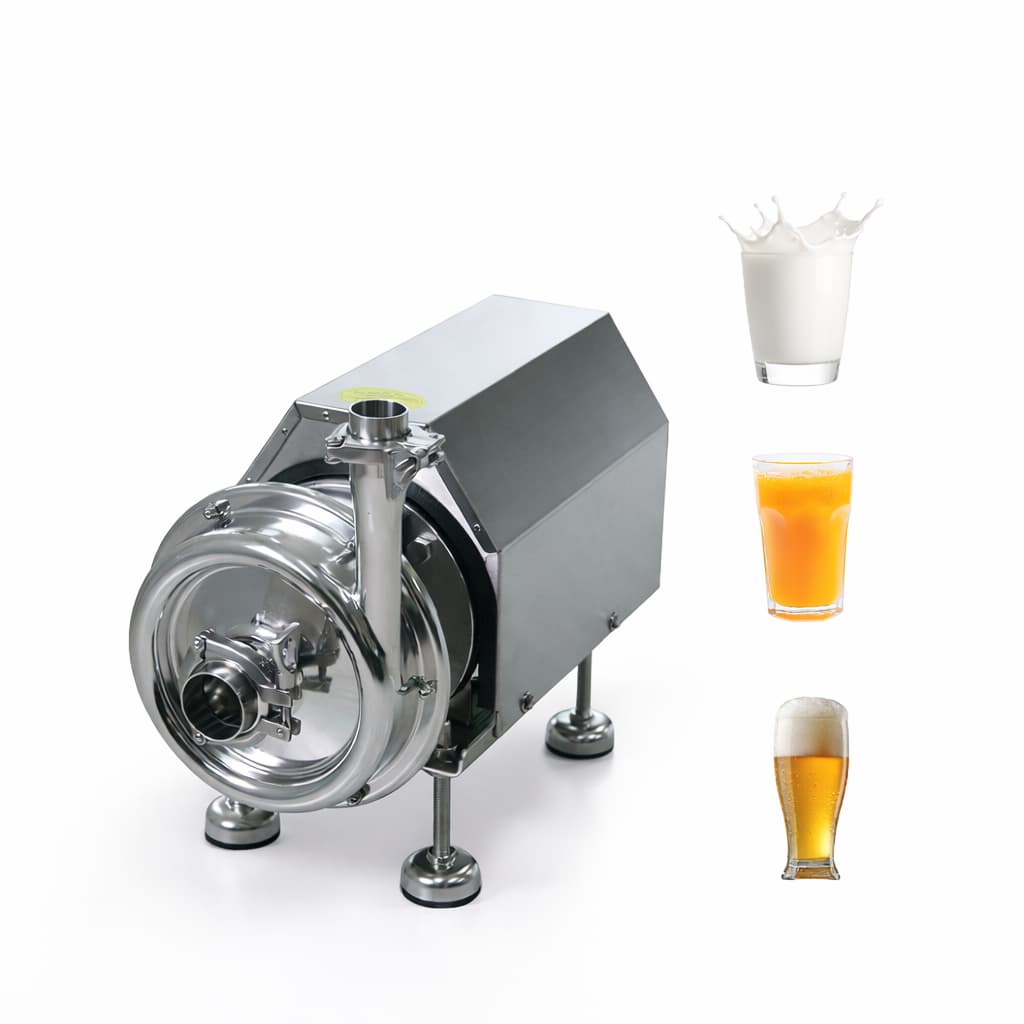
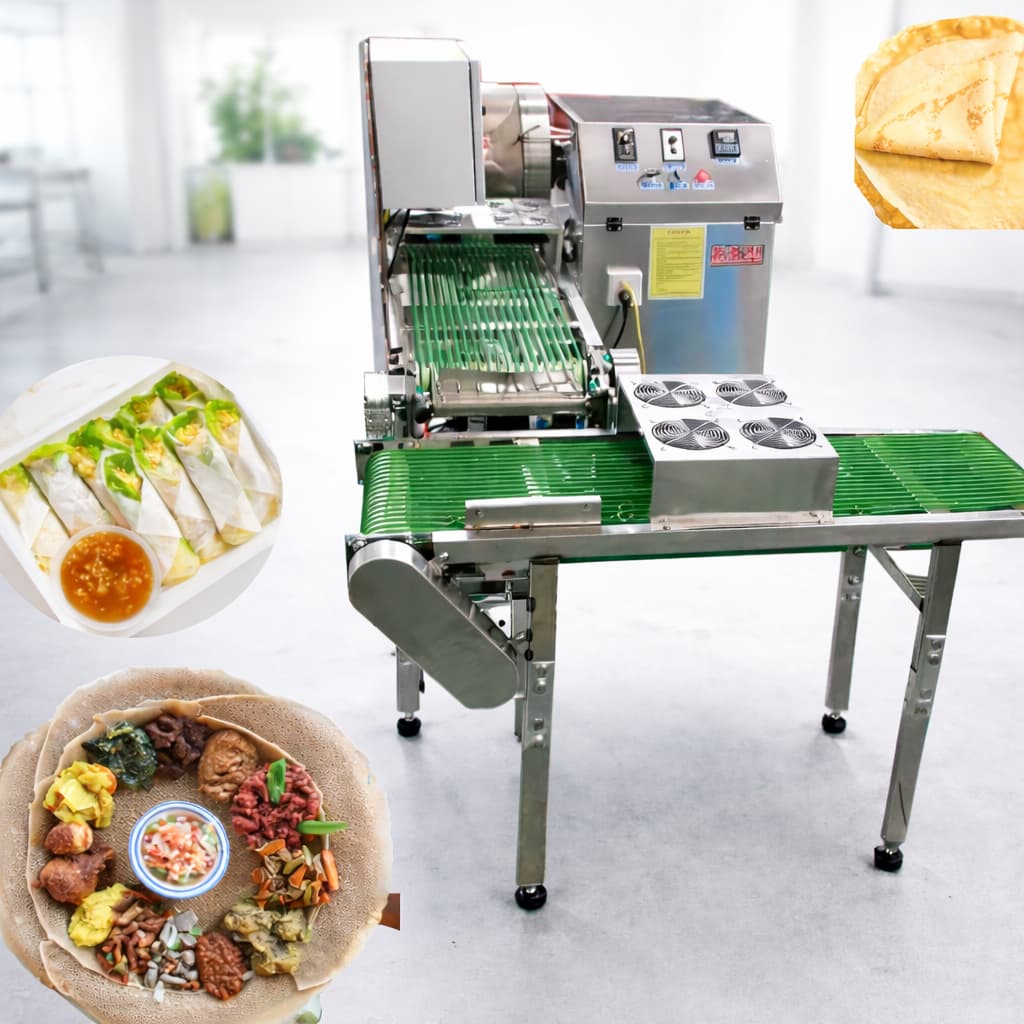
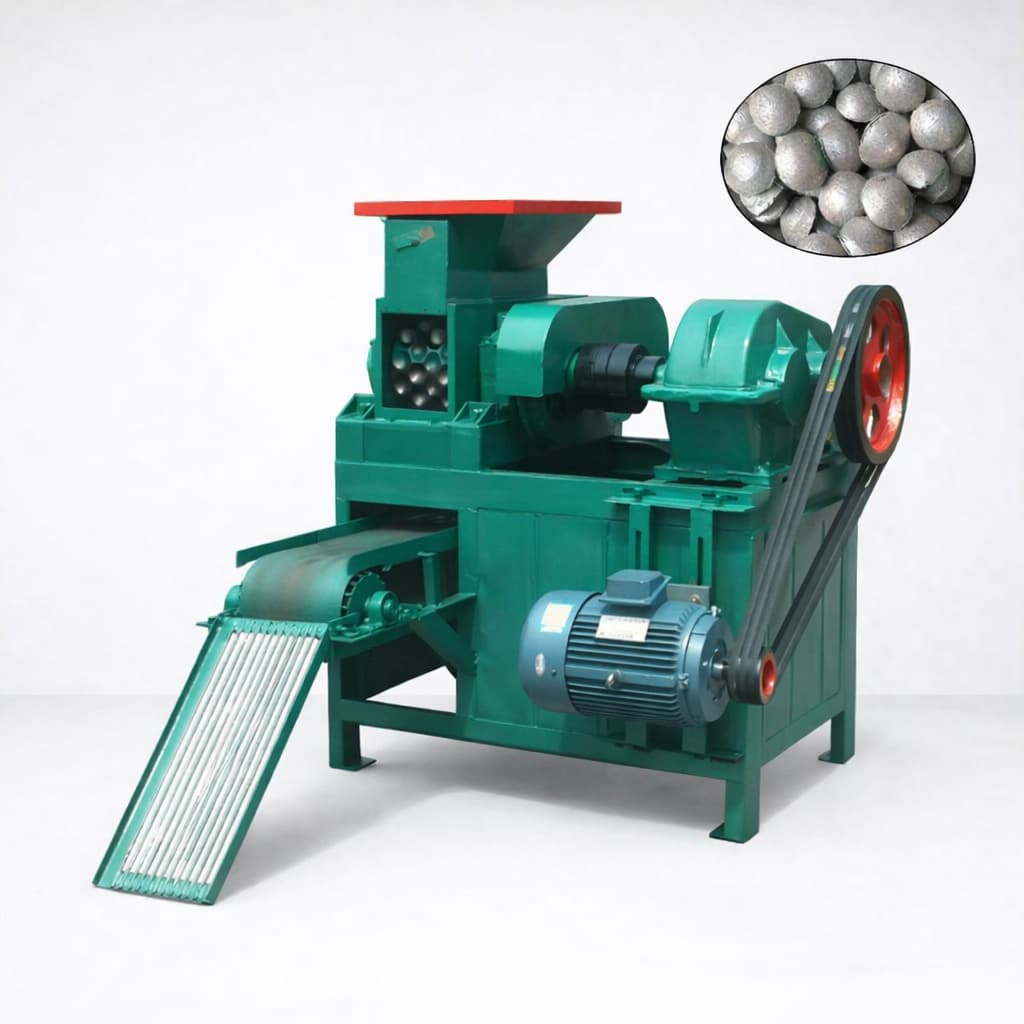
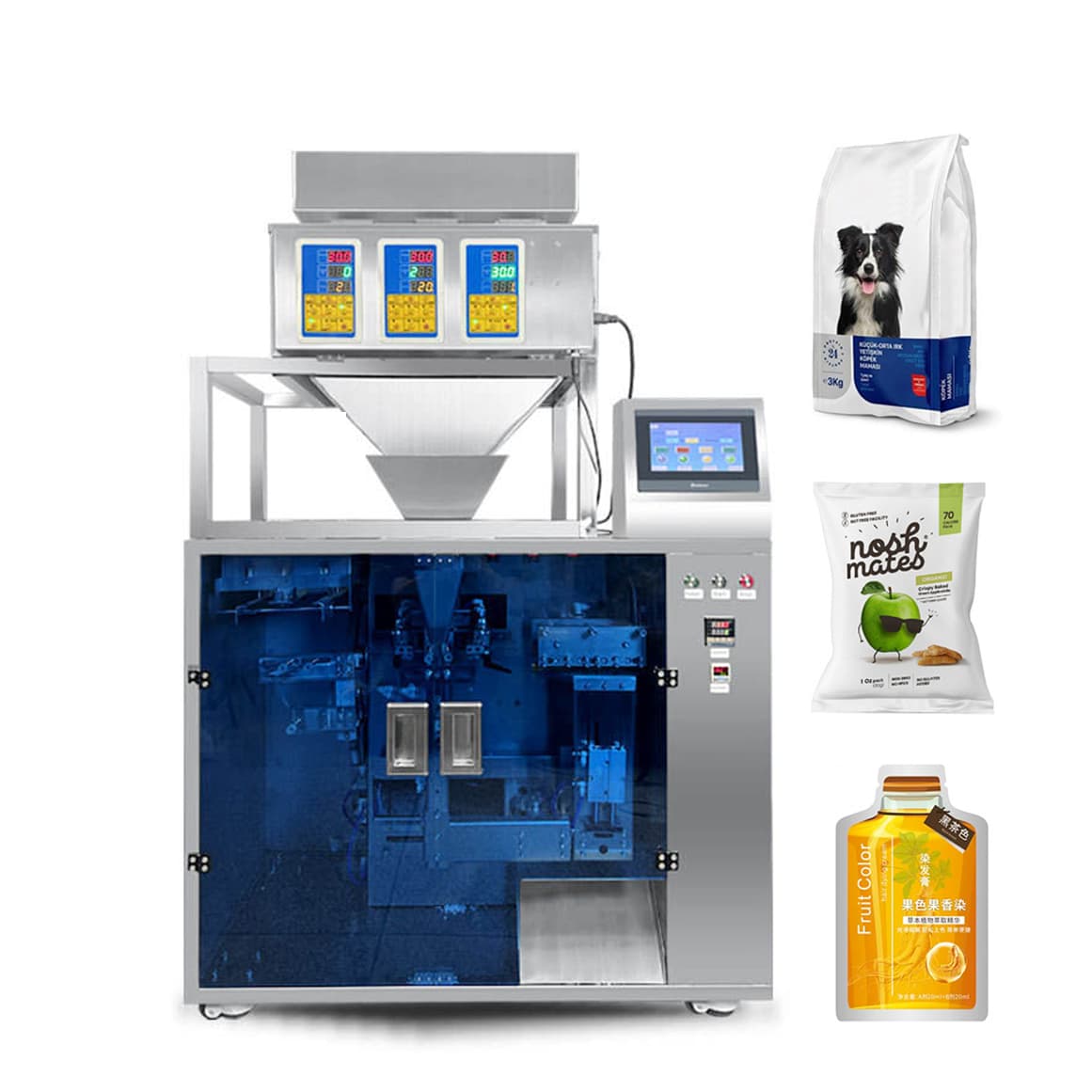
Production Line Automation, Robotic Systems and Industrial Technology Solutions — ENLILI
Modern manufacturing begins with the right technology.
Purchasing a new machine is not always enough to improve manufacturing operations. Production efficiency depends on how well technological processes are designed, how different machines and systems are connected, and how consistently products move through processing, packaging and final production stages.
ENLILI provides production process planning, industrial equipment selection and supply, integrated production line solutions, and industrial automation technologies, including solutions for robotic production lines.
Our mission is to help manufacturers adopt modern technologies, simplify labor-intensive operations, improve production efficiency and expand their manufacturing capabilities.
What Is Production Line Automation?
Production line automation involves organizing manufacturing processes so that machines, conveyors, sensors, control systems and, where appropriate, industrial robots operate together as an integrated system.
The purpose of automation extends beyond reducing manual labor. A properly designed automated system can improve:
-
Production capacity — increase the number of products manufactured within a given period.
-
Process stability — reduce dependence on manual intervention in repetitive operations.
-
Consistent product quality — improve the control of technological parameters and production conditions.
-
Resource efficiency — reduce material waste and inefficient operations.
-
Workforce productivity — allow employees to focus on higher-value tasks.
-
Production monitoring — simplify process supervision and help identify potential bottlenecks.
The appropriate level of automation depends on the requirements of each manufacturing facility.
For some businesses, connecting several machines with a conveyor system may be sufficient. Others may benefit from a fully integrated robotic production line.
Integrated Industrial Technology Solutions for Manufacturing
One of ENLILI's key areas of expertise is integrating different types of industrial equipment into coordinated production processes.
An individual machine performs a specific operation, but the efficiency of an entire production line depends on how effectively all components work together — from raw material feeding to the finished product.
When planning an industrial technology solution, several factors must be considered:
-
Raw material characteristics.
-
Required production capacity.
-
Existing manufacturing infrastructure.
-
Electrical power and utility requirements.
-
Workforce capabilities.
-
Available investment budget.
-
Opportunities for future expansion.
Based on these factors, a manufacturing process can be developed in which individual technological operations are properly coordinated.
Main Stages of a Manufacturing Process
Depending on the product and manufacturing requirements, an integrated production line may include the following stages:
-
Raw material receiving and feeding — hoppers, feeders, conveyors and dosing systems.
-
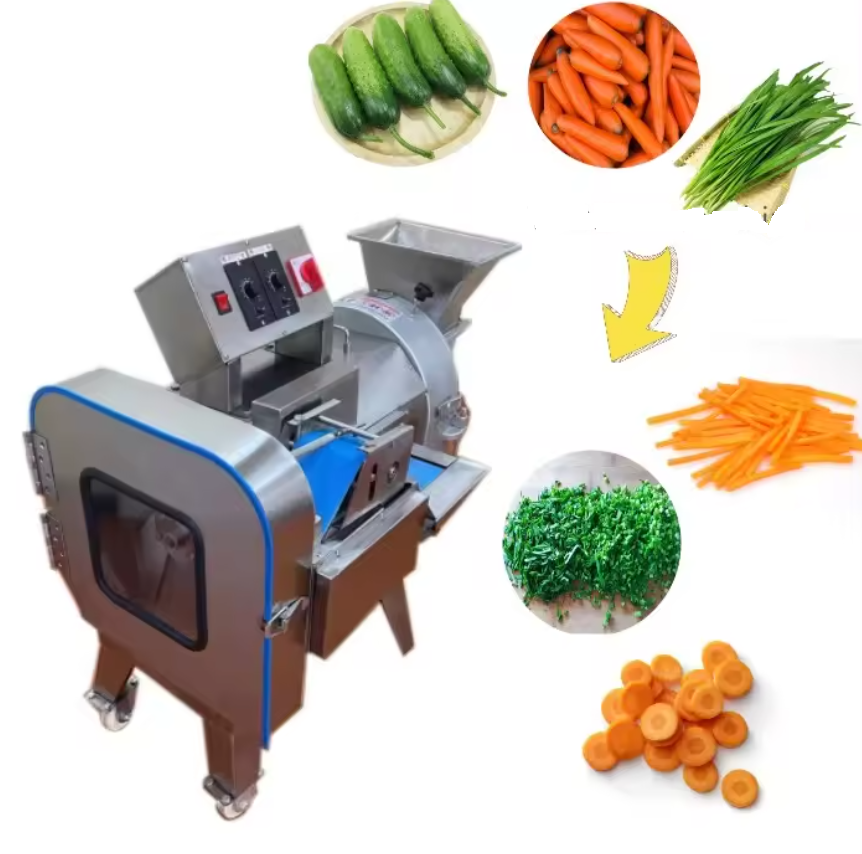
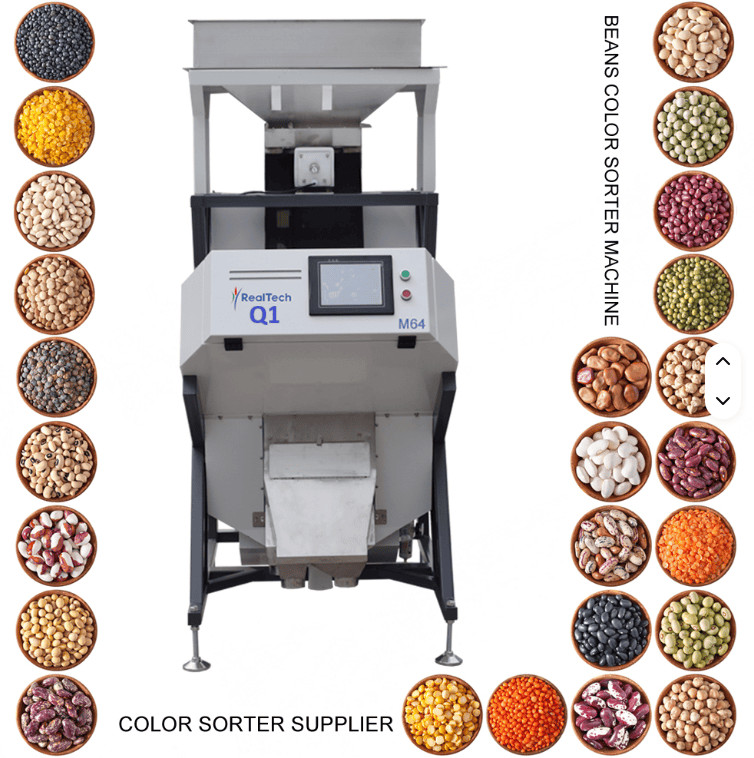
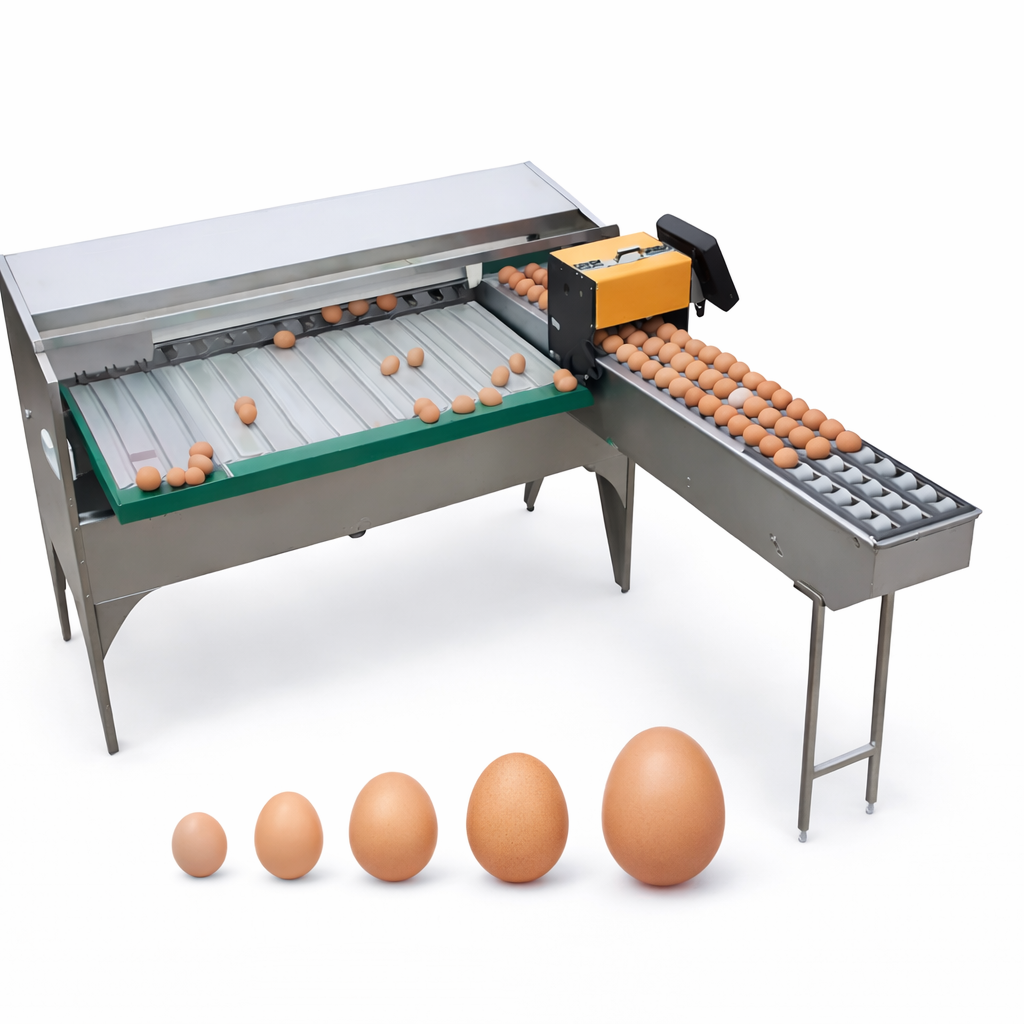
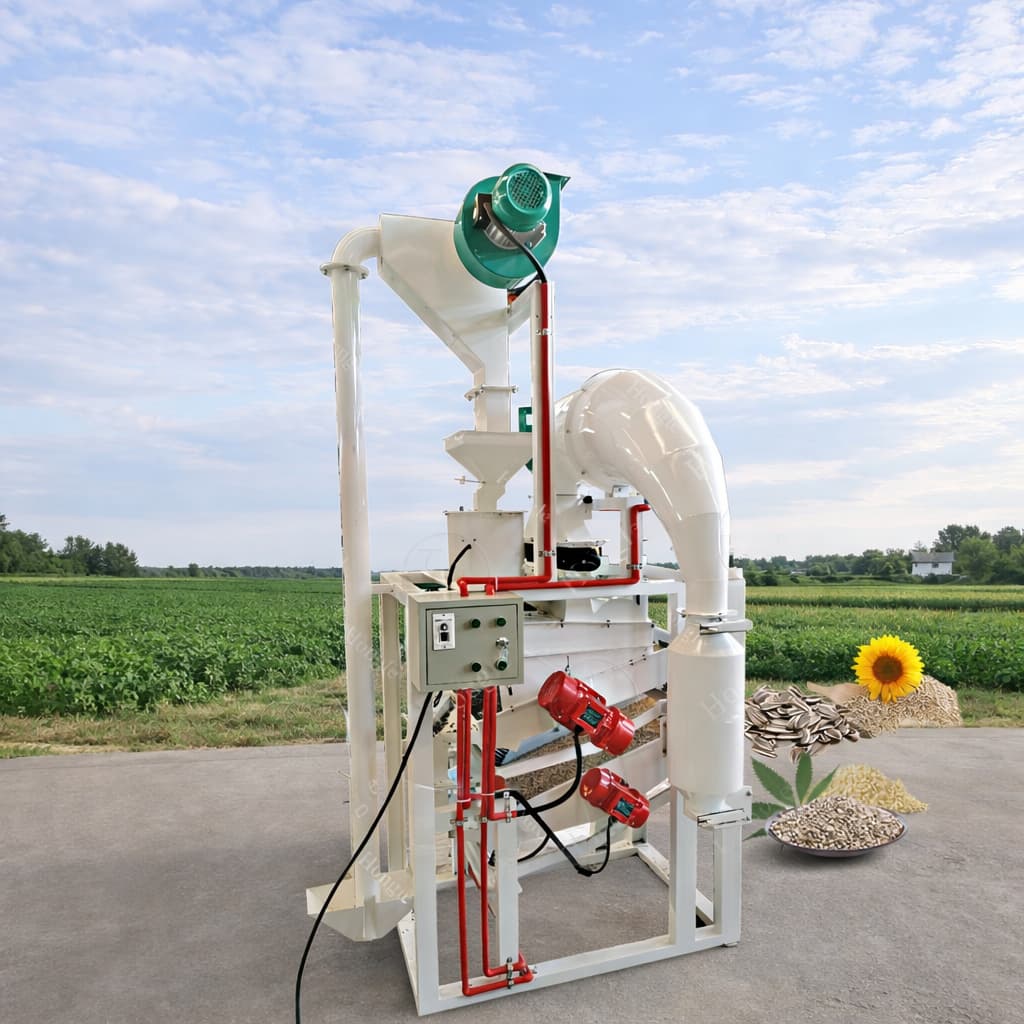
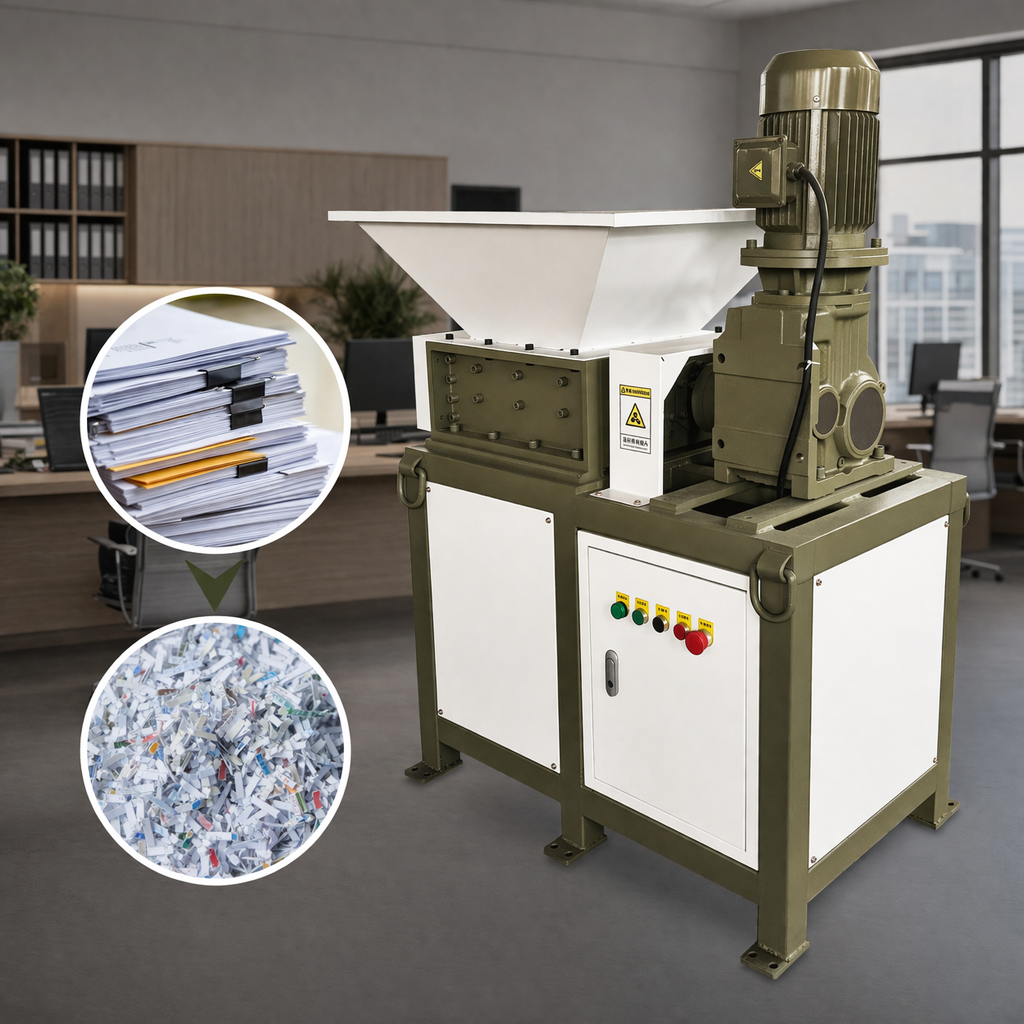
Primary processing — washing, sorting, cutting, shredding or grinding.
-
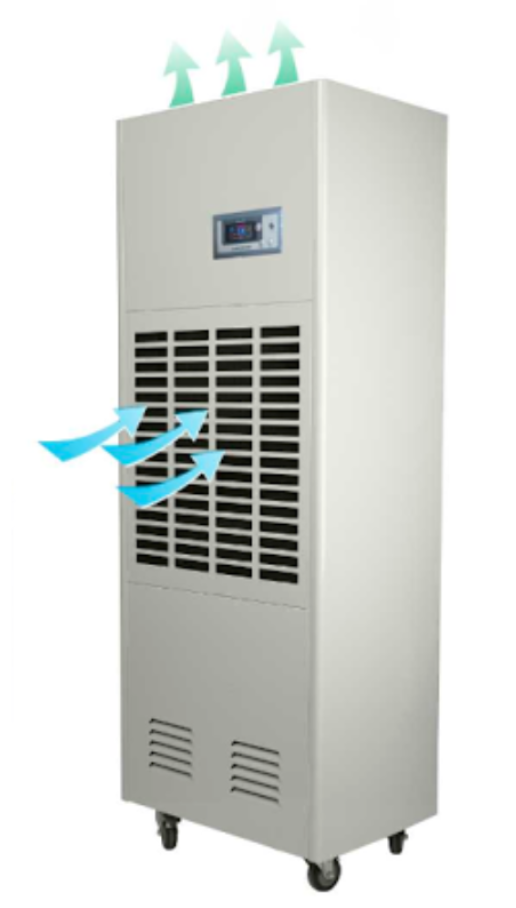
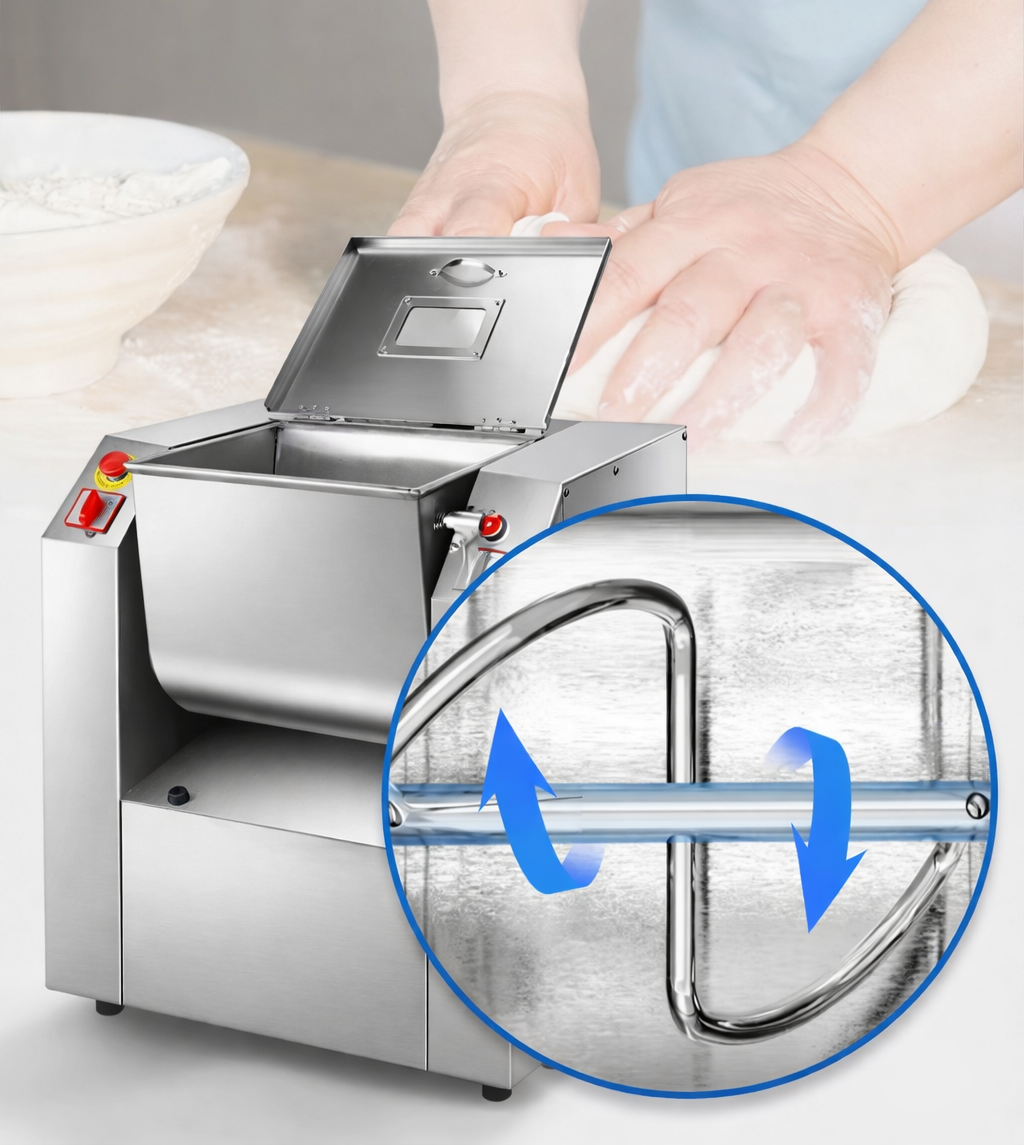
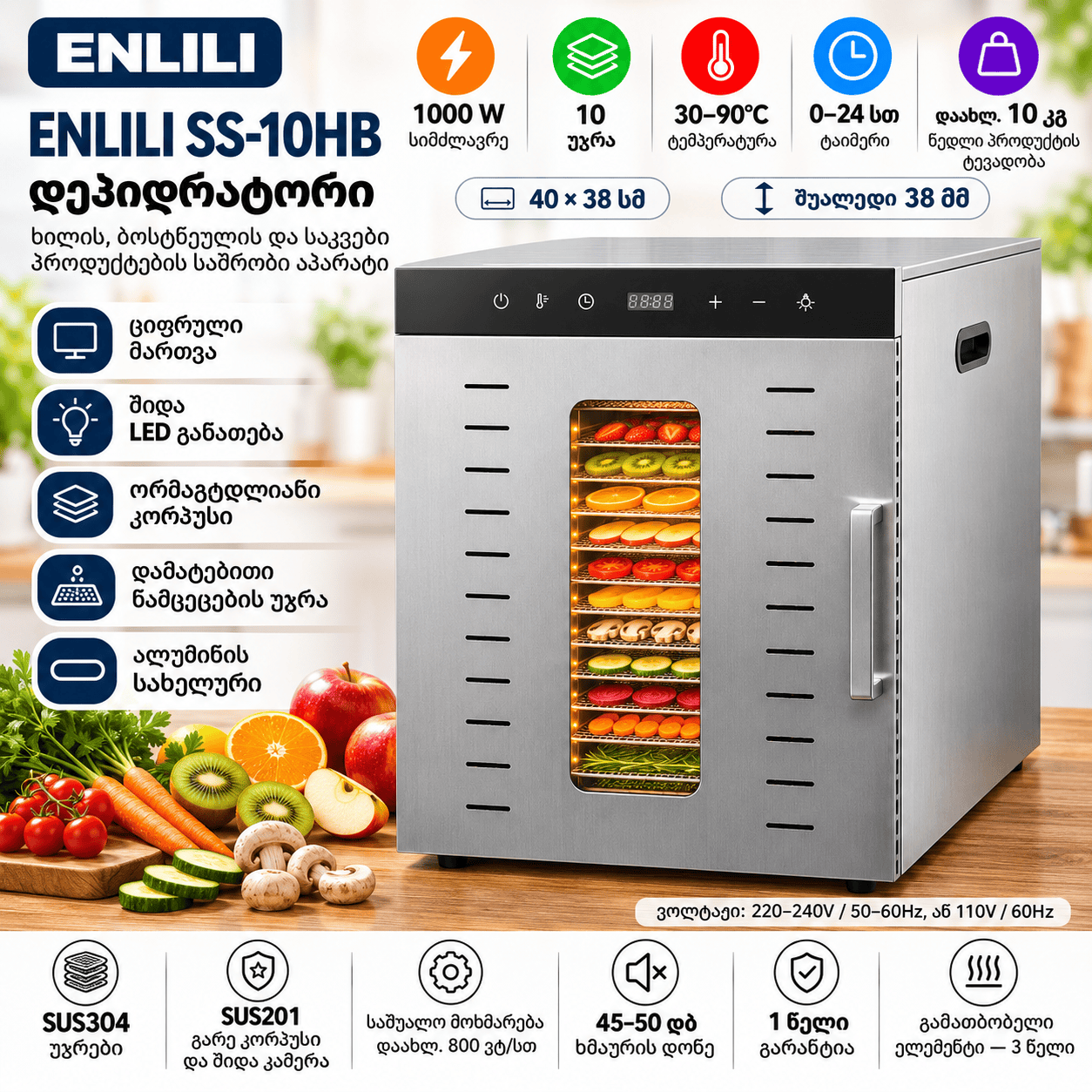
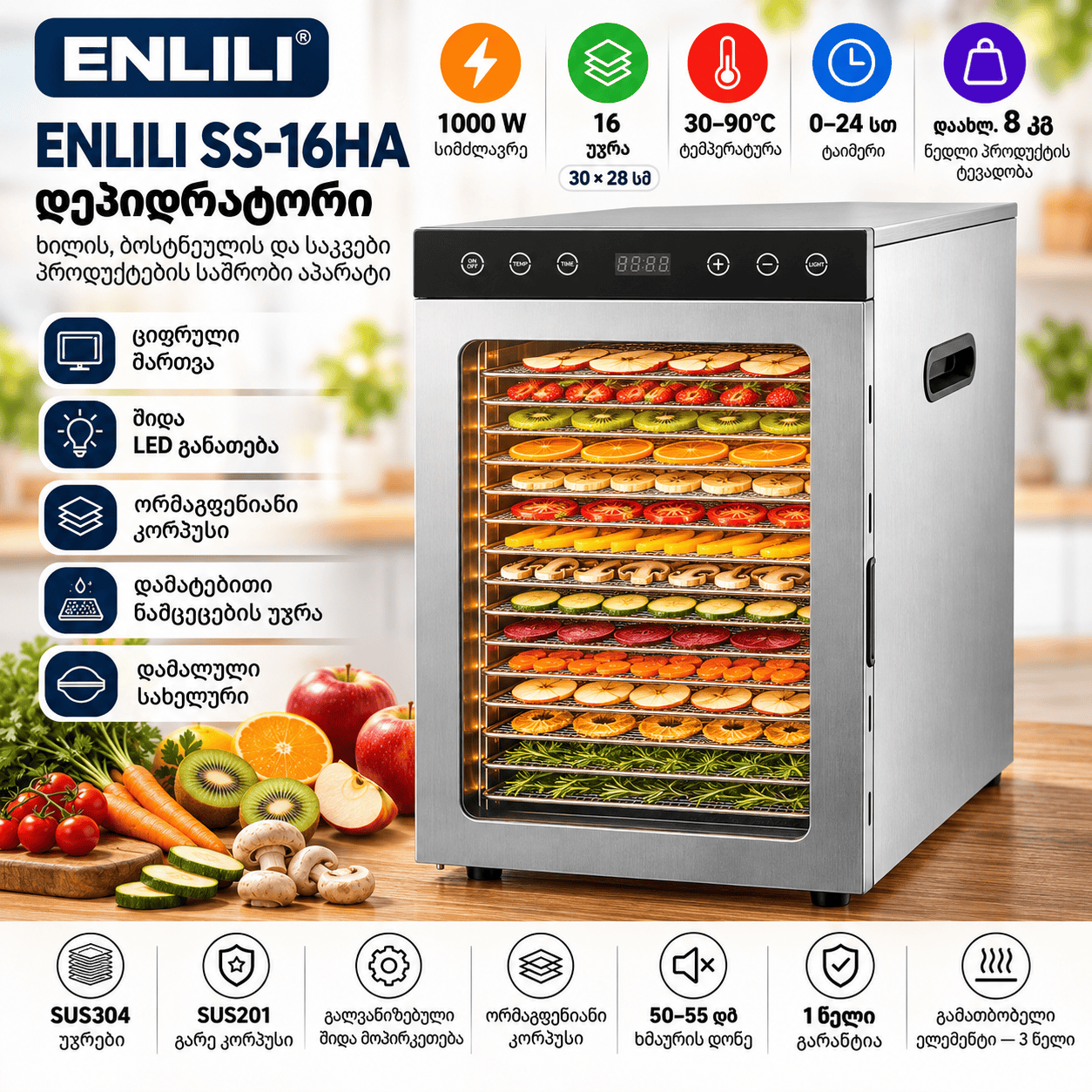
Product processing — mixing, drying, heating, cooling or other specialized technological operations.
-
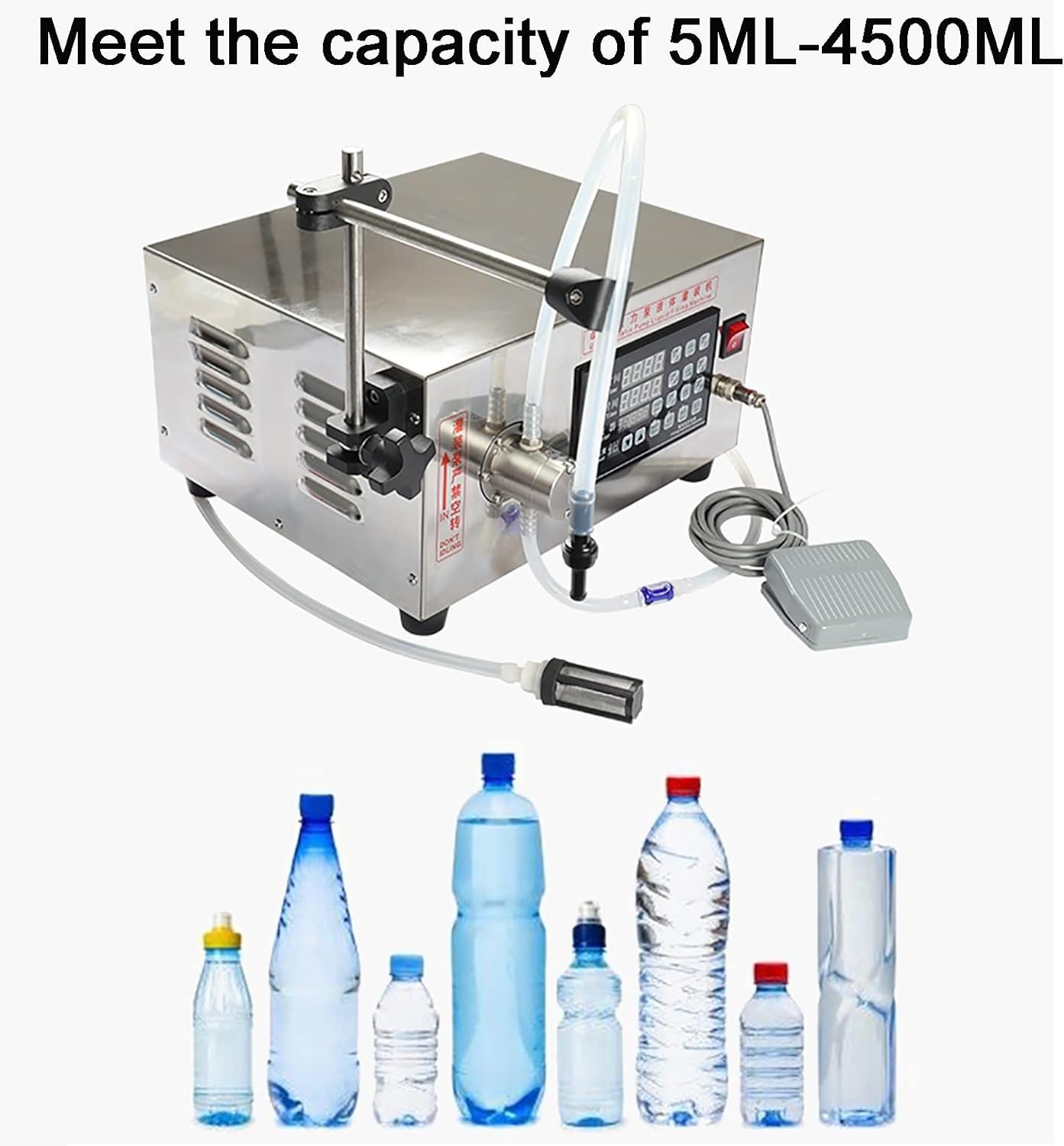
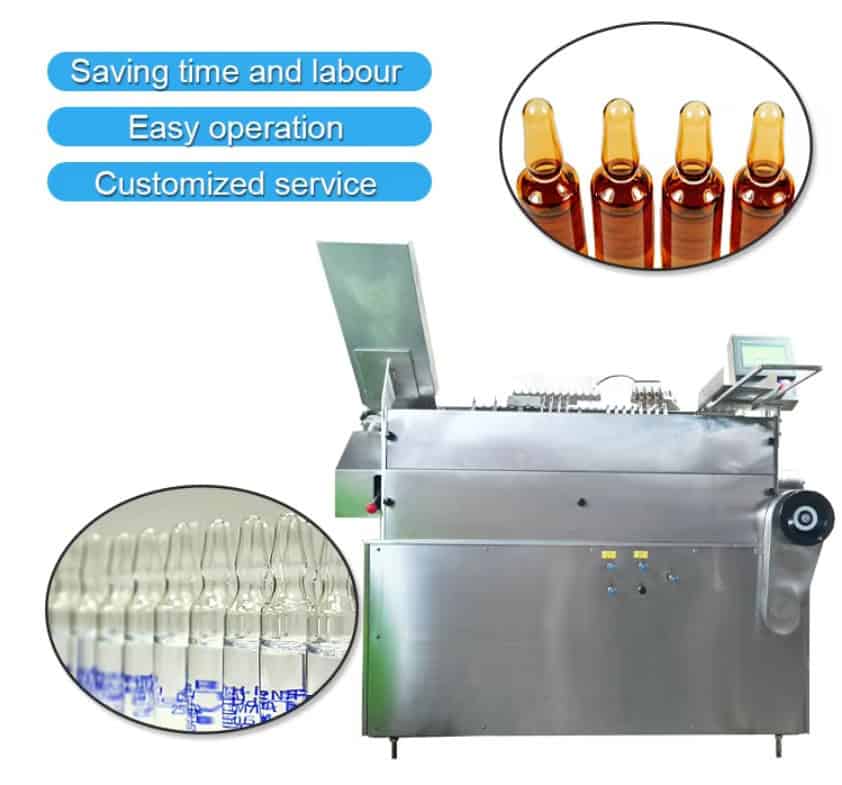
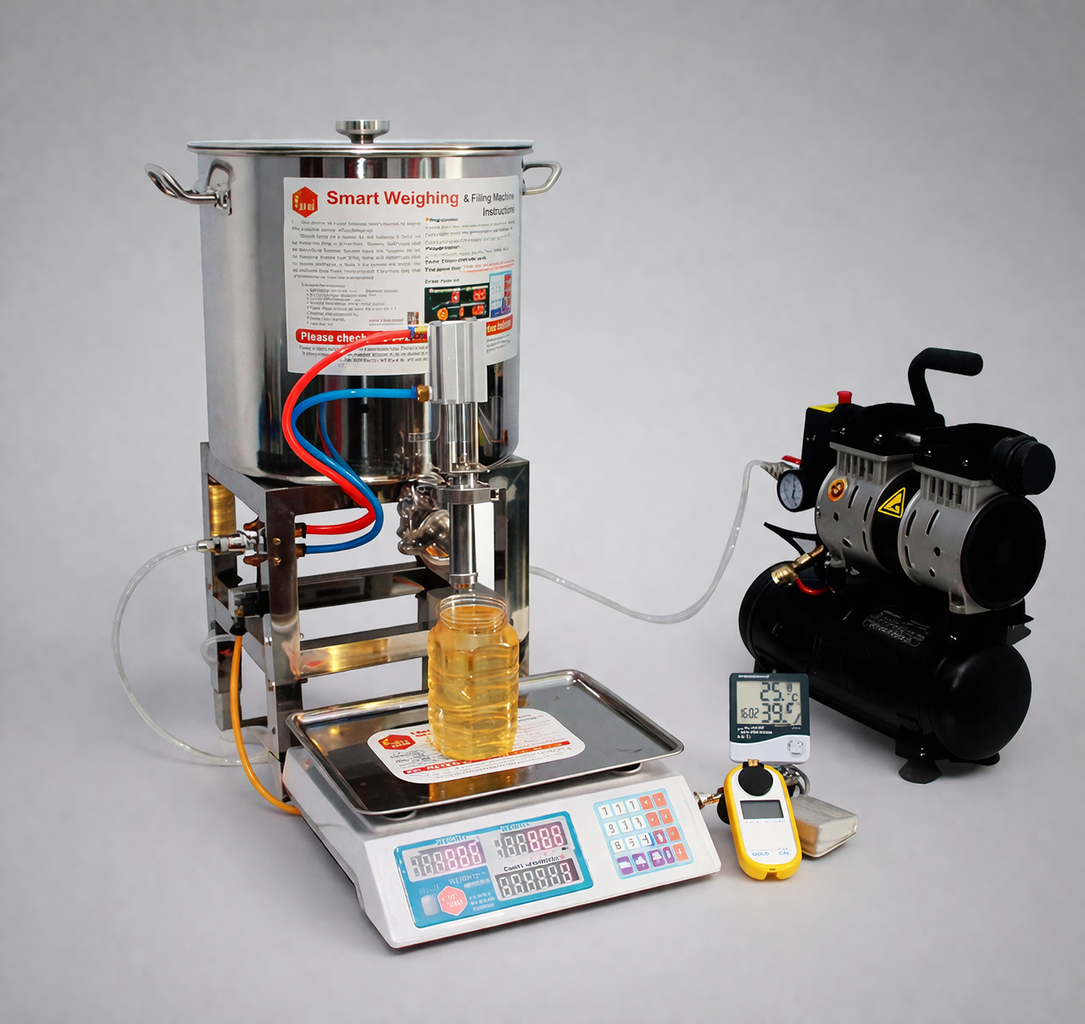
Dosing and filling — automated filling based on product weight, volume or quantity.
-
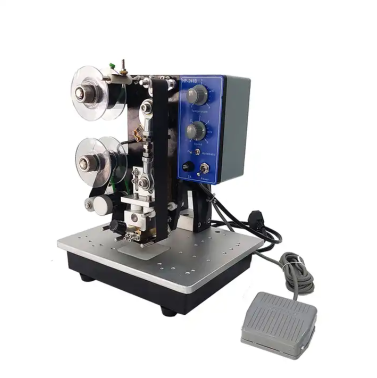
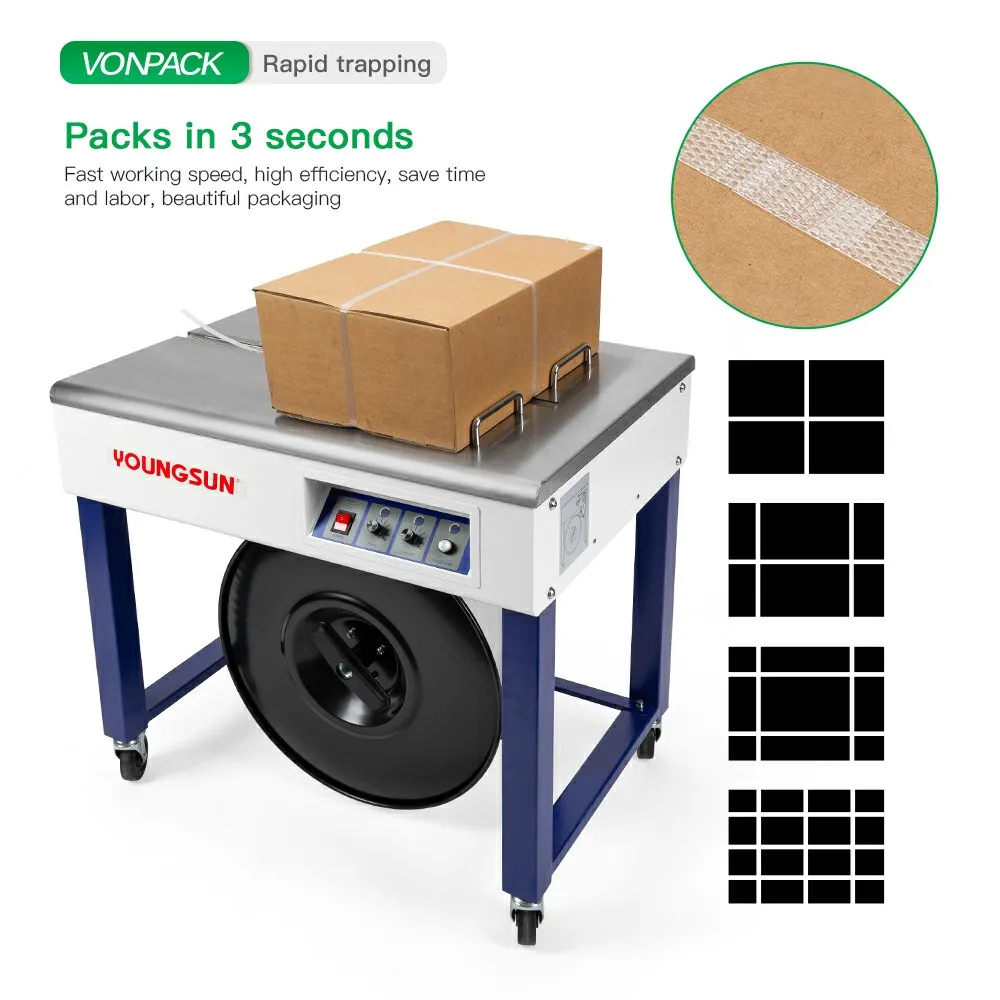
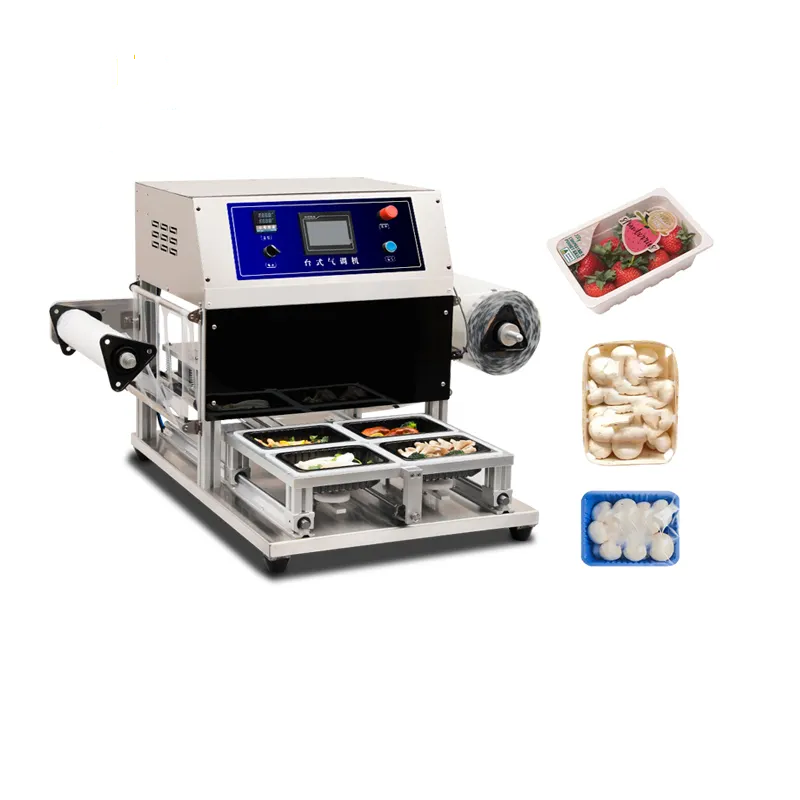
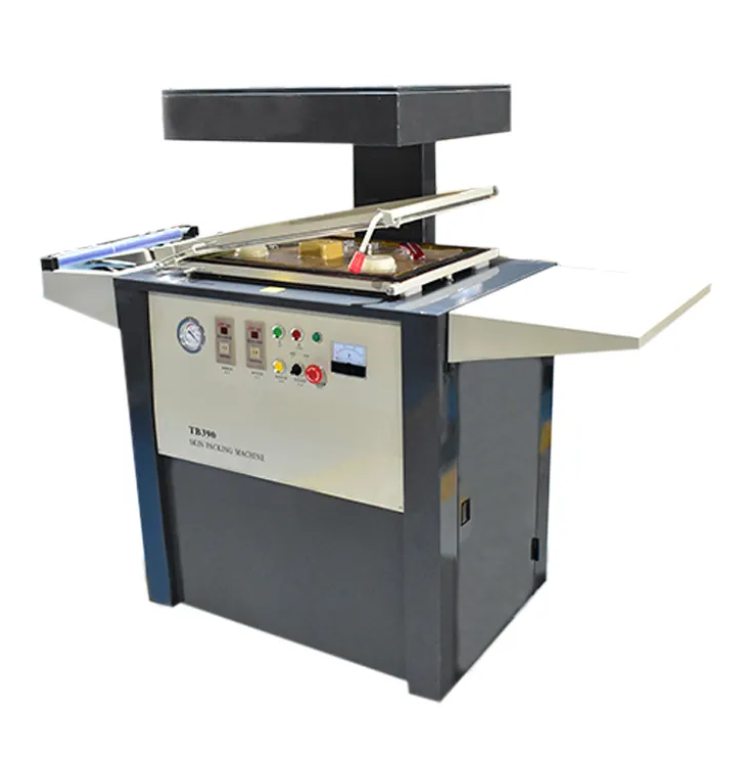
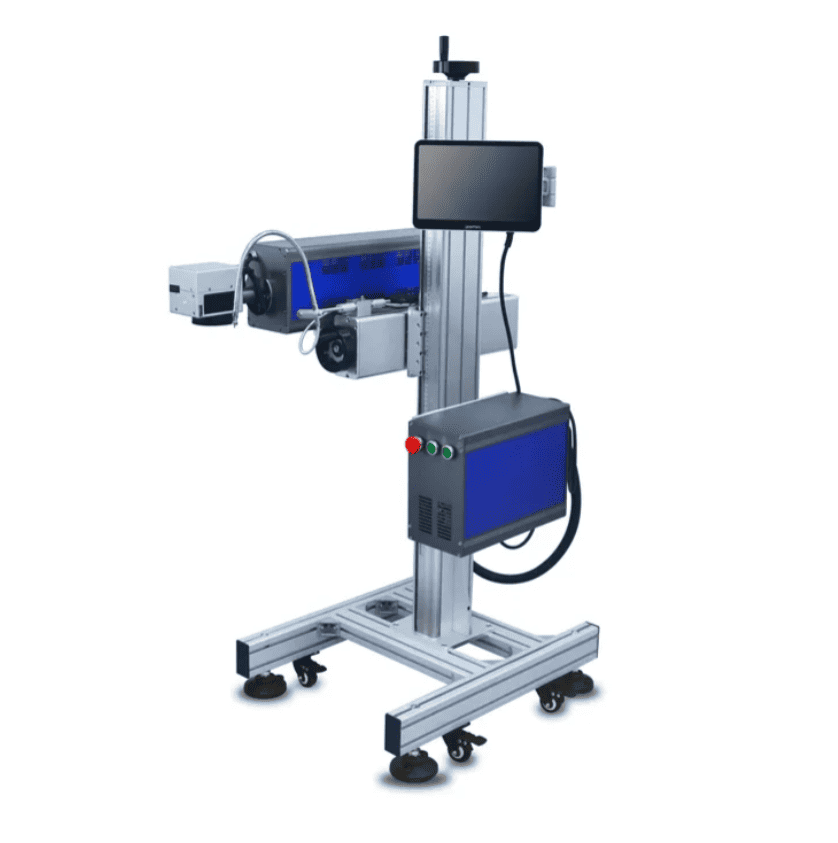
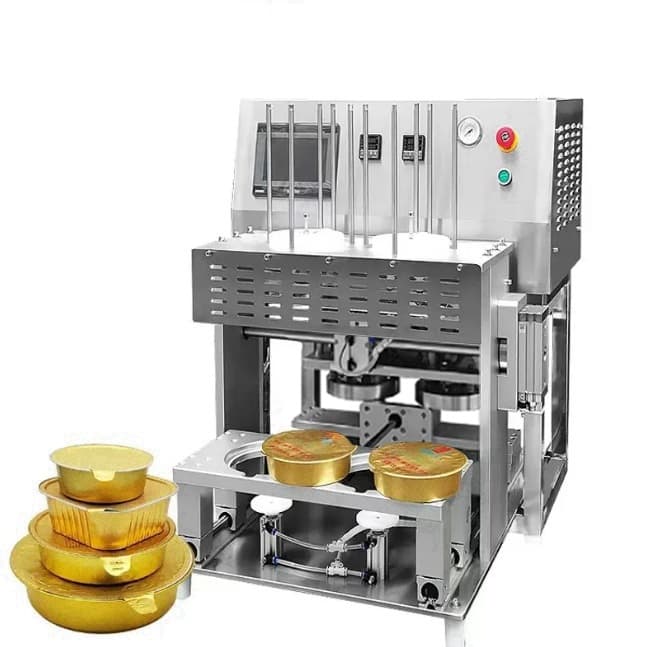
Packaging and labeling — sealing, closing, labeling and date coding.
-
Secondary packaging — grouping finished products into cartons or other transport packaging.
-
Robotic palletizing — automatically arranging packaged products on pallets for storage and transportation.
Equipment at each stage must be selected according to the required capacity, operating conditions and compatibility with other components of the production line.
Robotic Production Lines and Industrial Automation
Robotics is an important component of modern industrial automation.
Industrial robots can perform repetitive manufacturing and packaging operations, including product handling, sorting, carton loading and palletizing.
ENLILI develops equipment configurations and integrated technology solutions for robotic production lines, combining different machines and systems into coordinated manufacturing processes.
Automated Packaging and Robotic Palletizing Lines
Consider a manufacturing facility where products have already been filled and sealed and must undergo final packaging.
An automated end-of-line packaging system may include:
-
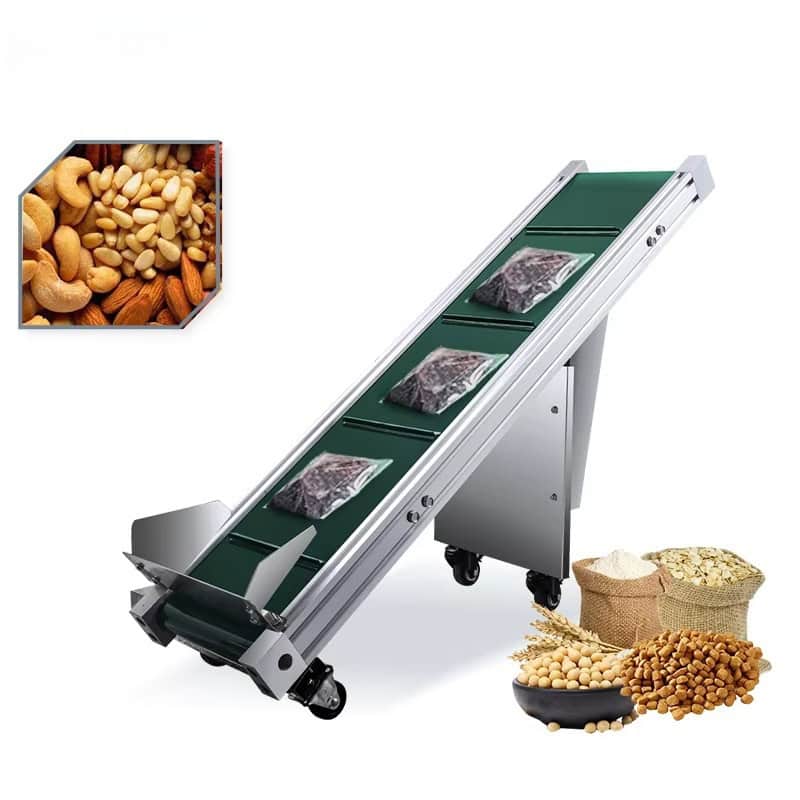
Conveyor transportation of filled and packaged products.
-
Product flow distribution and positioning.
-
Automatic product grouping and arrangement.
-
Loading products into shipping cartons.
-
Carton closing, sealing and labeling.
-
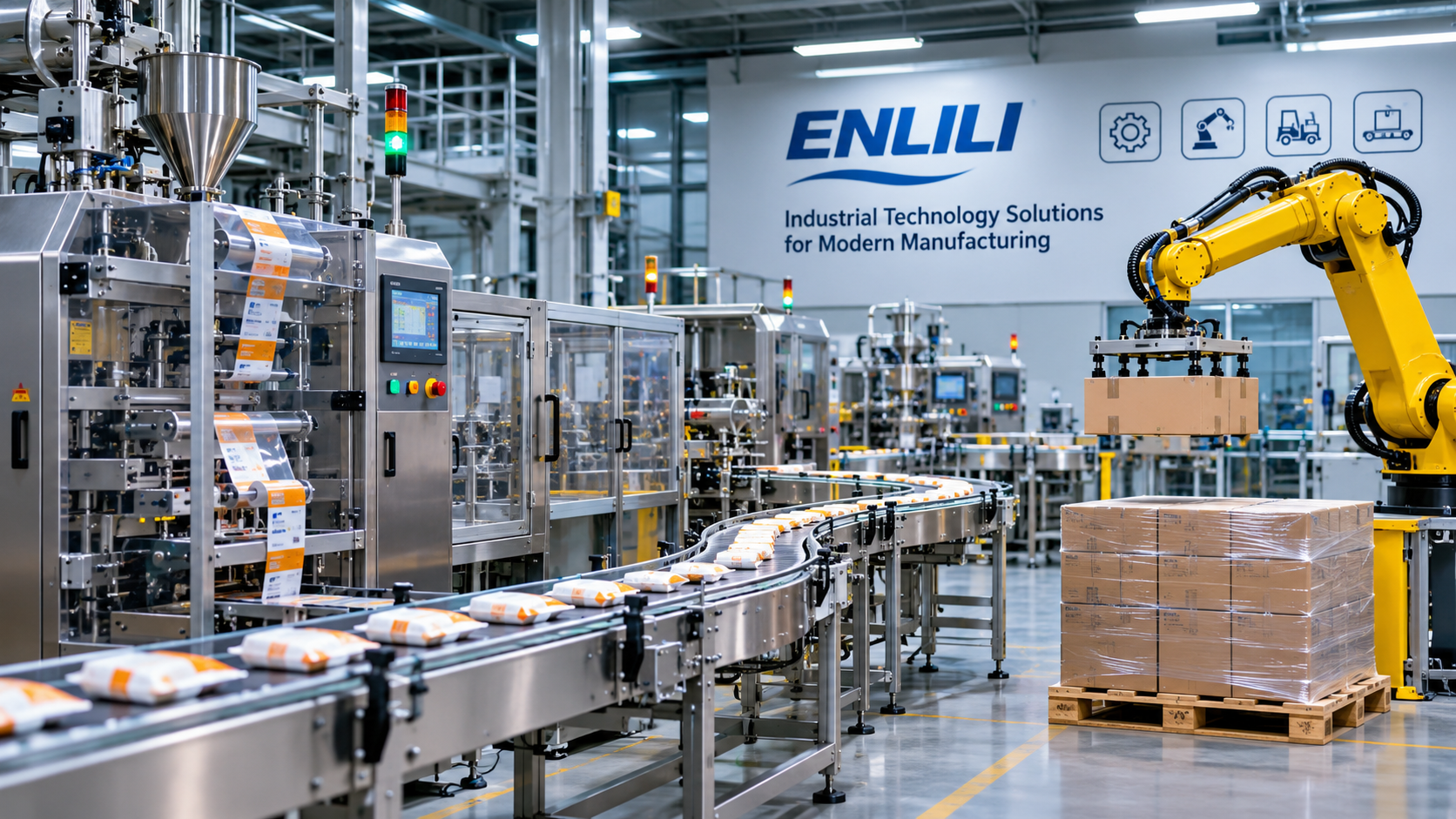
Robotic palletizing of finished cartons.
To synchronize these operations, an integrated system may use photoelectric sensors, programmable logic controllers (PLCs), conveyor control systems and industrial safety equipment.
The performance of such a production line depends not only on the speed of an industrial robot but also on the coordination of all connected machines.
This is why planning a robotic production line requires a comprehensive understanding of the entire manufacturing process.
Food Processing and Packaging Production Lines
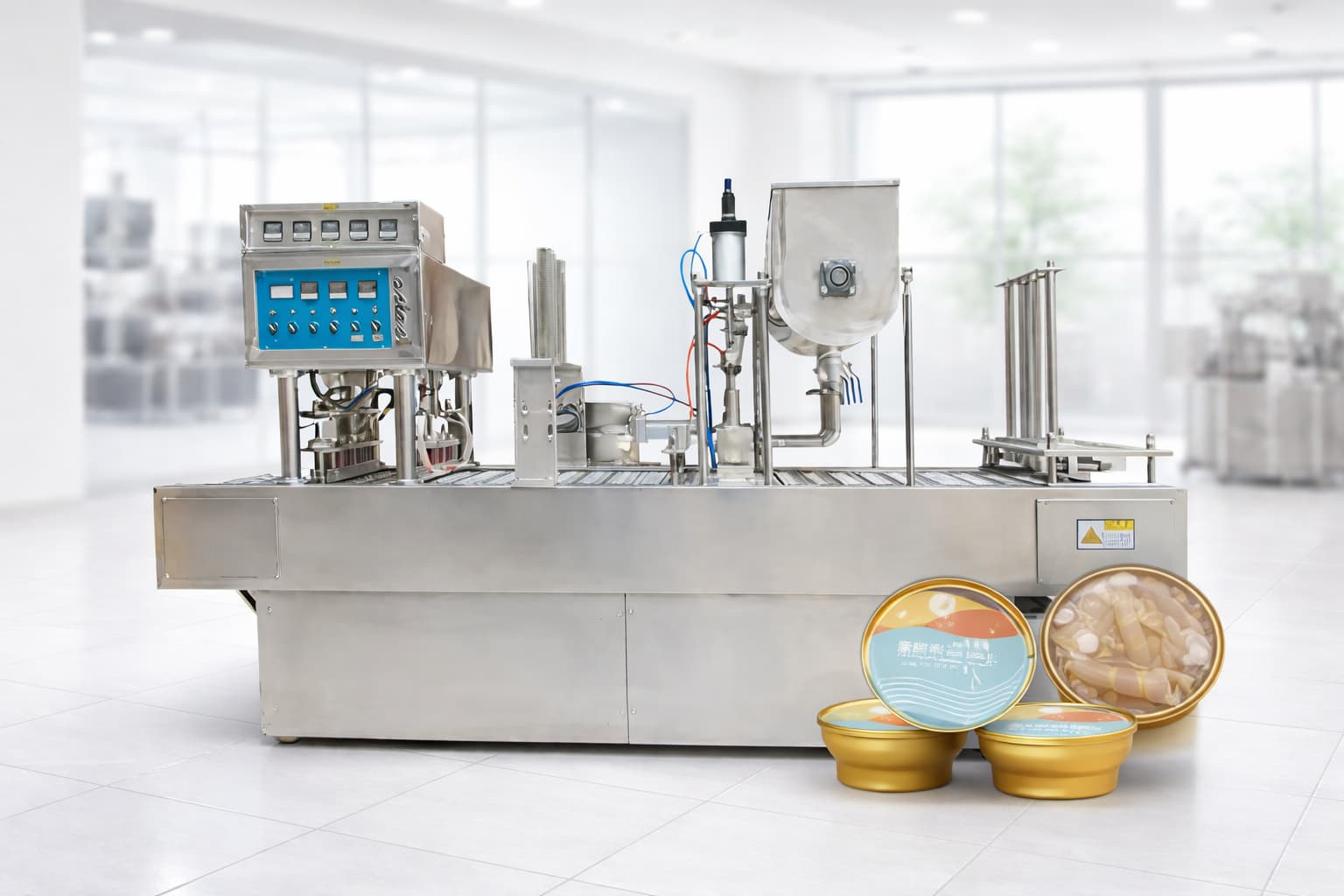
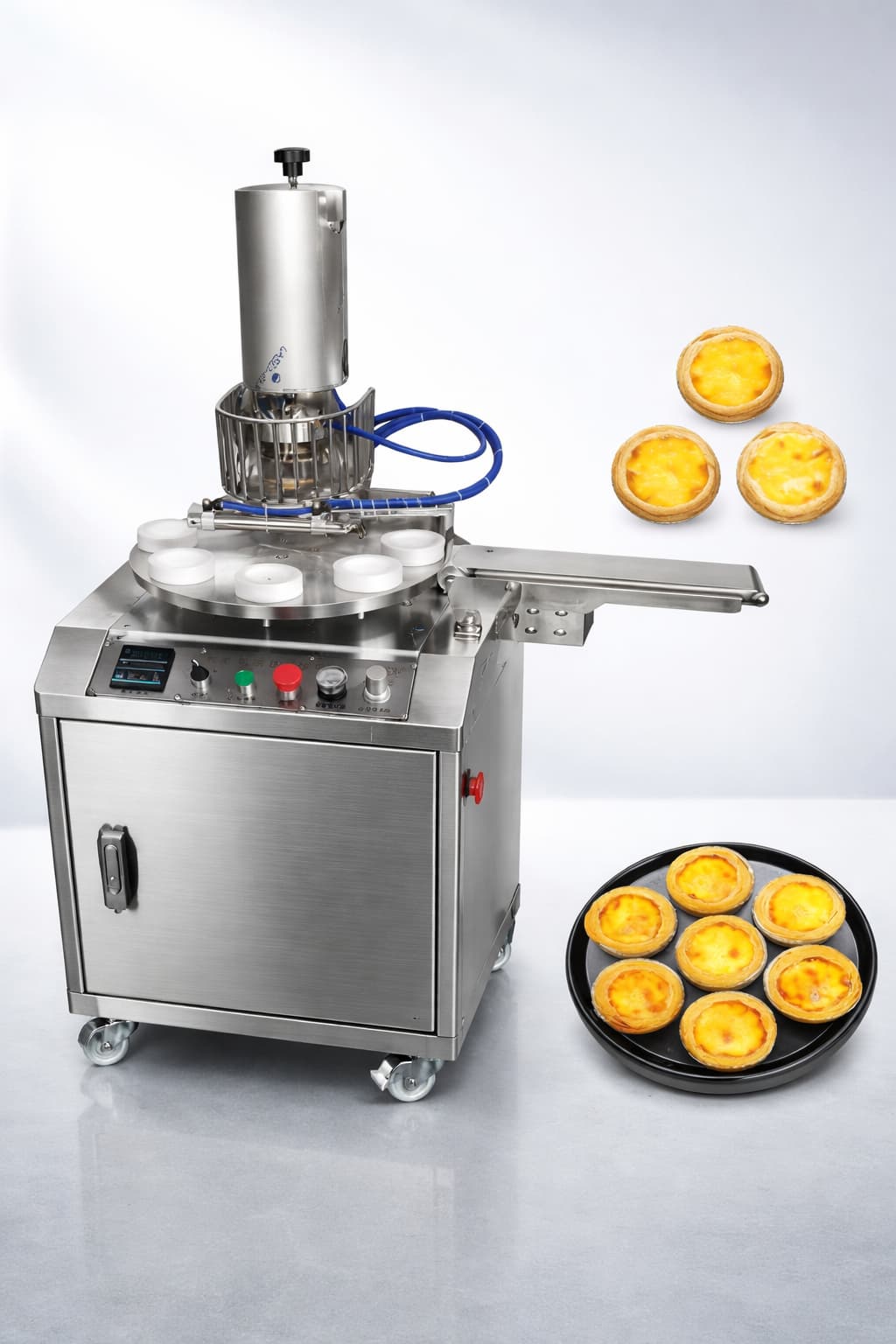
Food processing and packaging equipment is one of ENLILI's primary business areas.
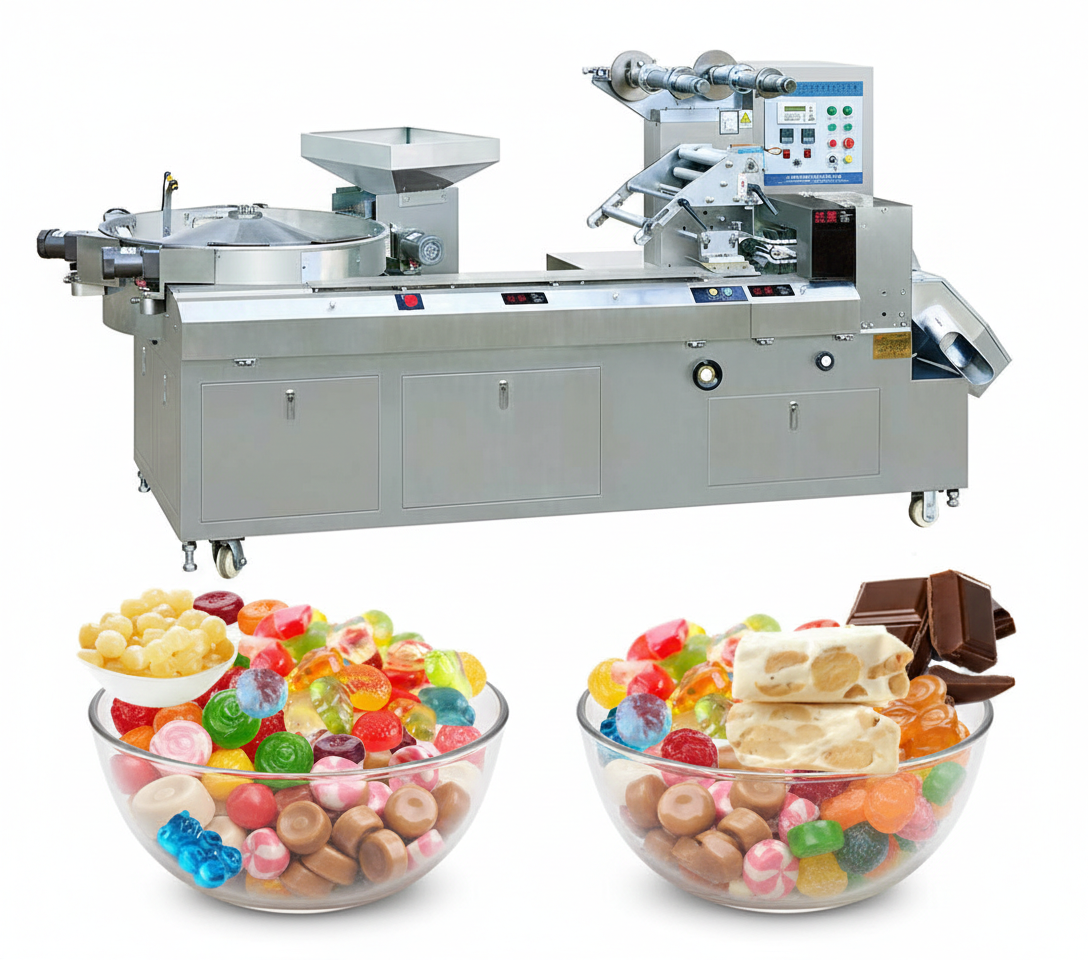
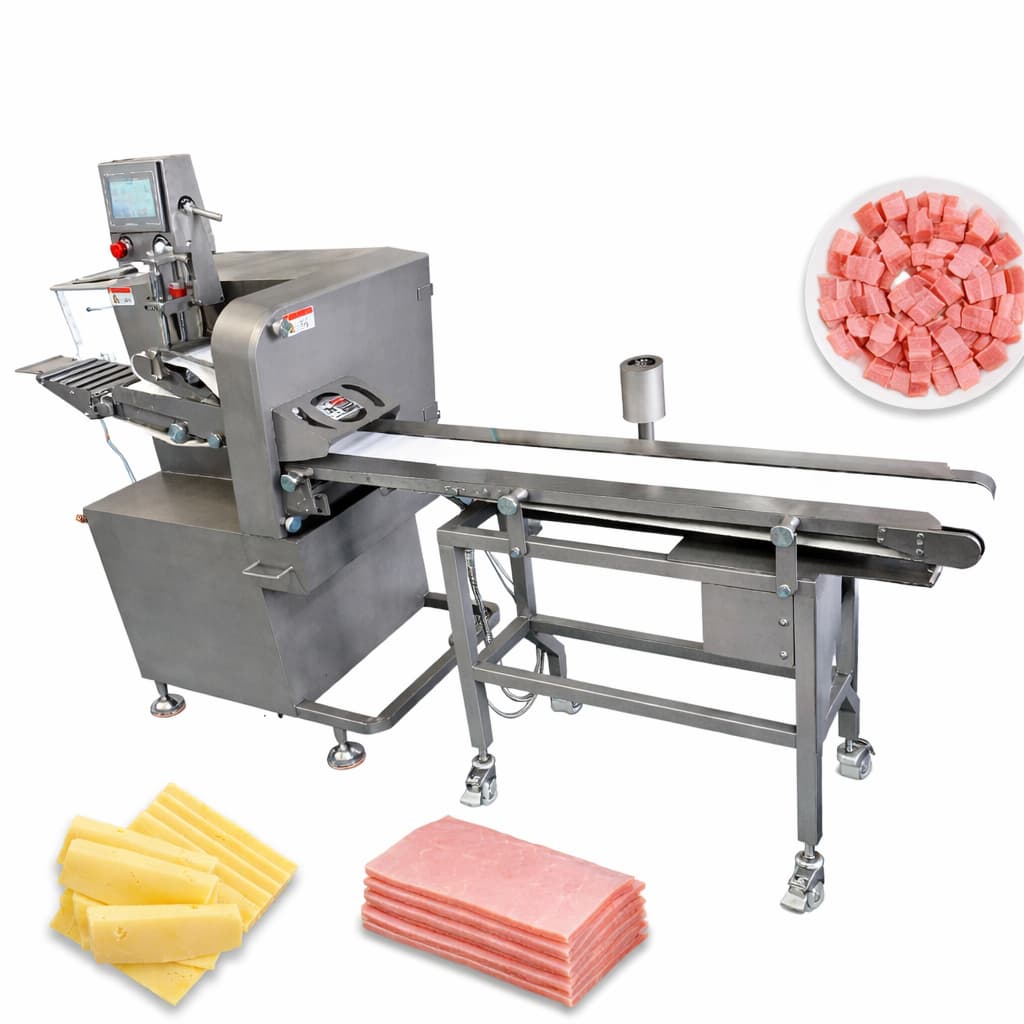
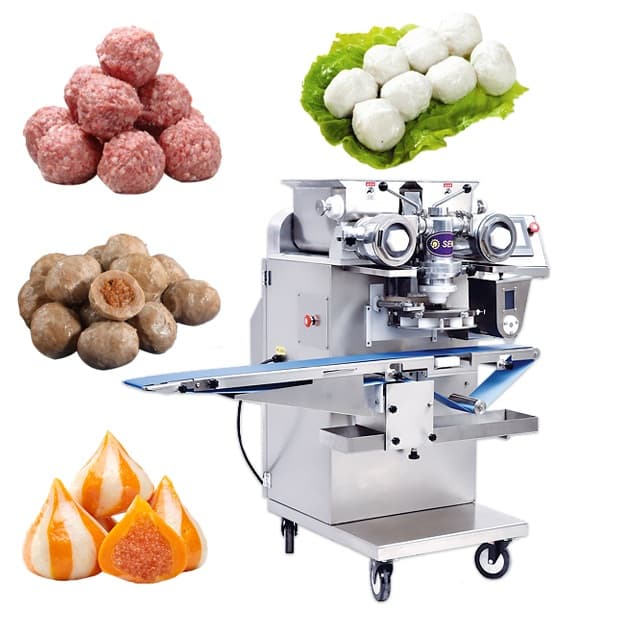
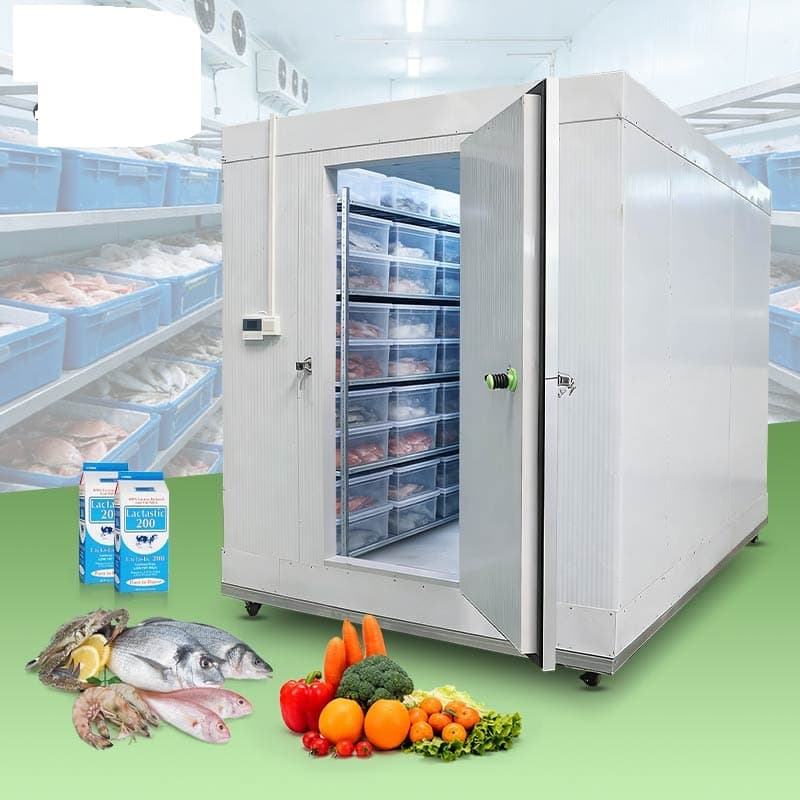
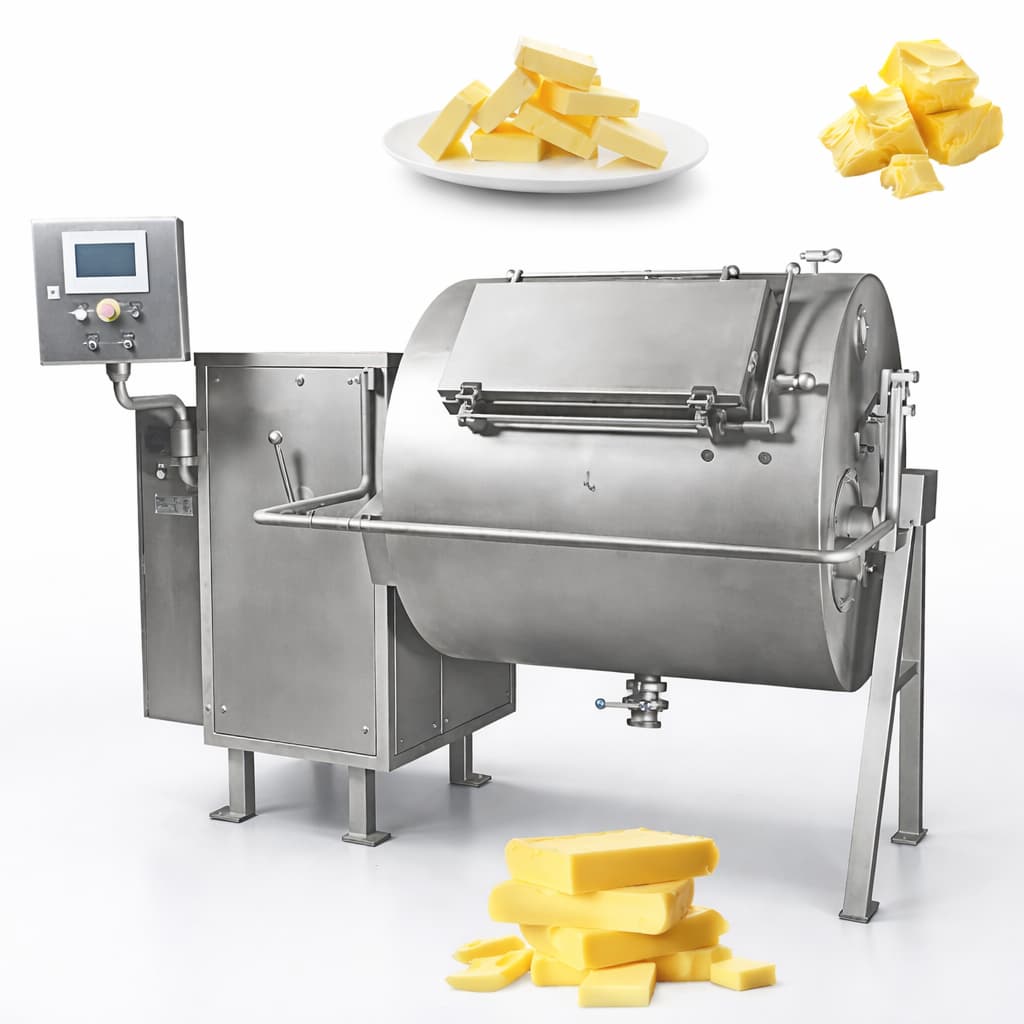
Industrial technology solutions in this sector may range from individual machines for small manufacturers to integrated production lines combining multiple processing and packaging operations.
Our technology solutions cover several areas.
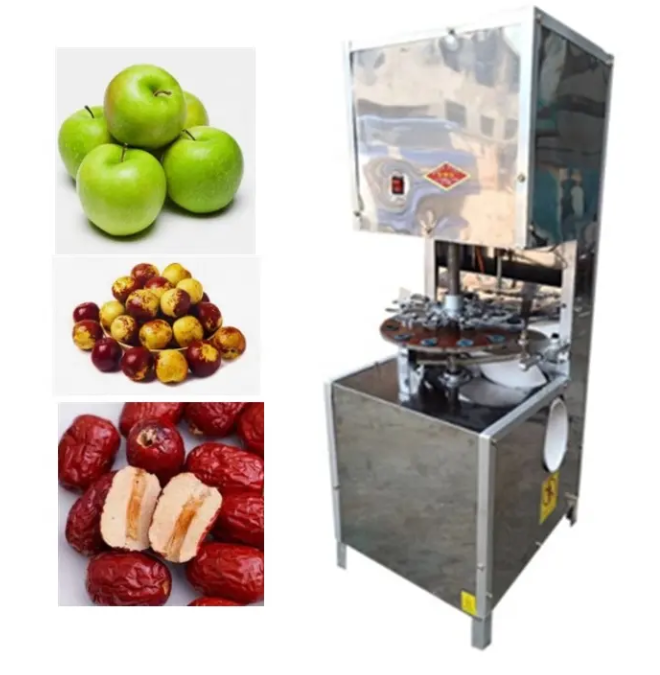
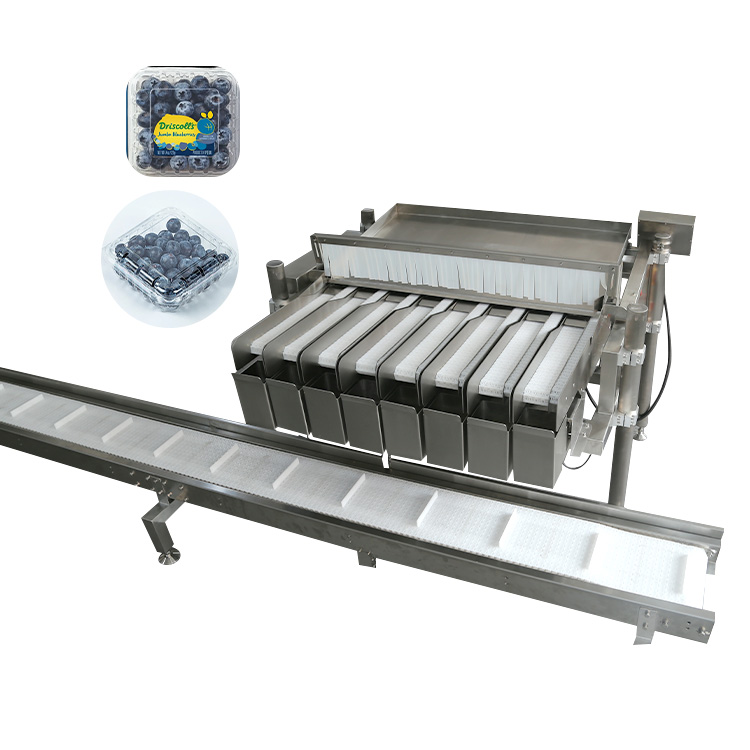
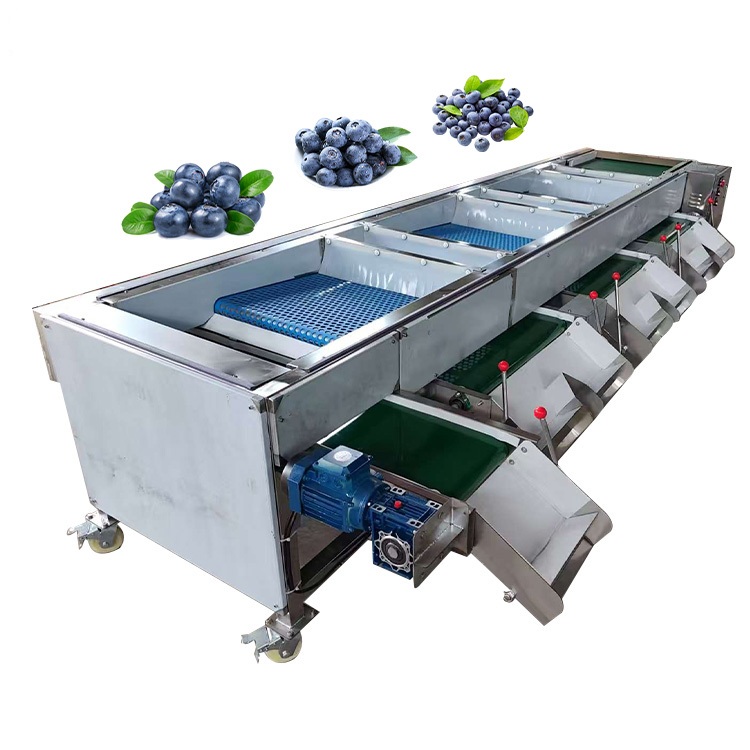
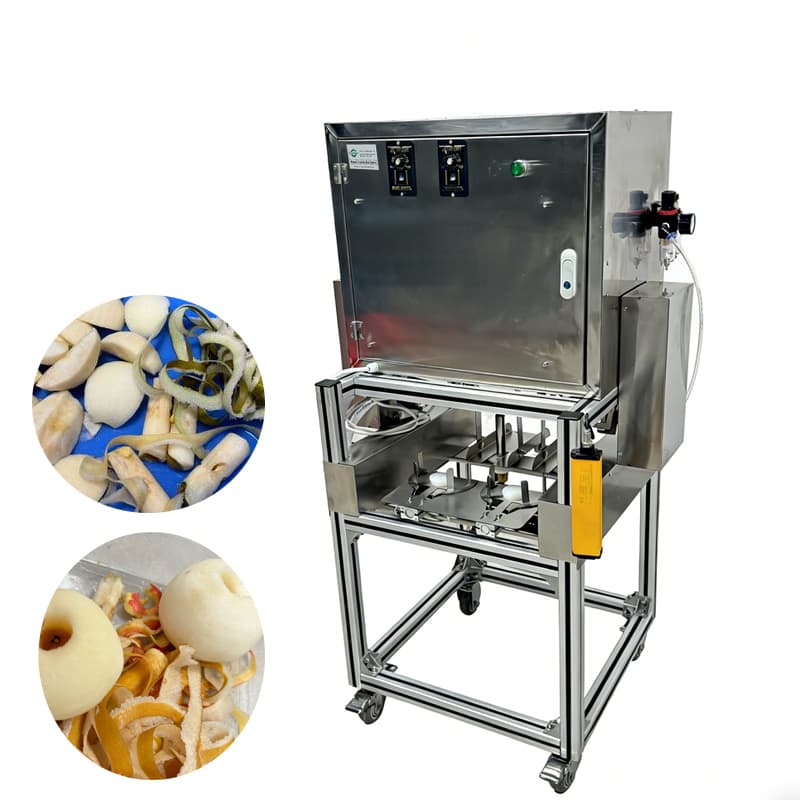
Fruit and Vegetable Processing
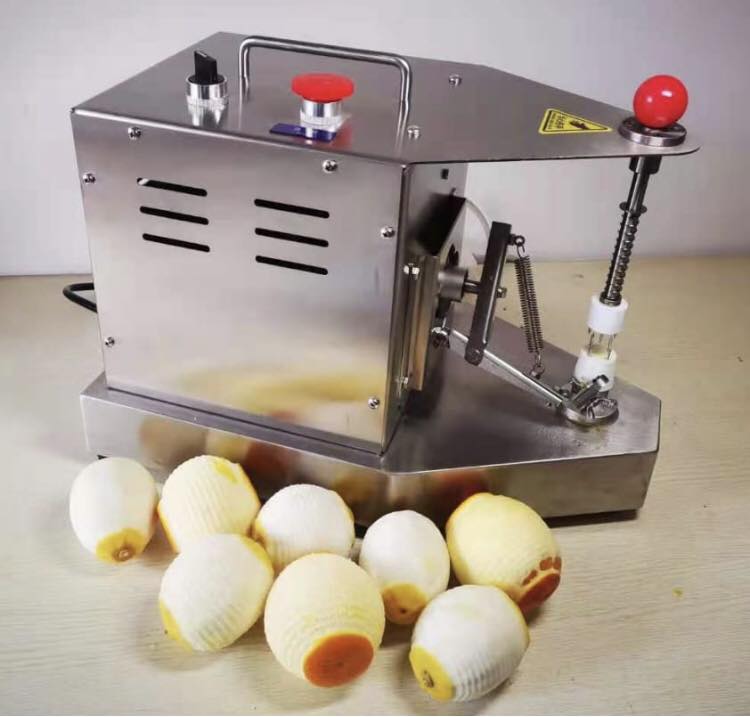
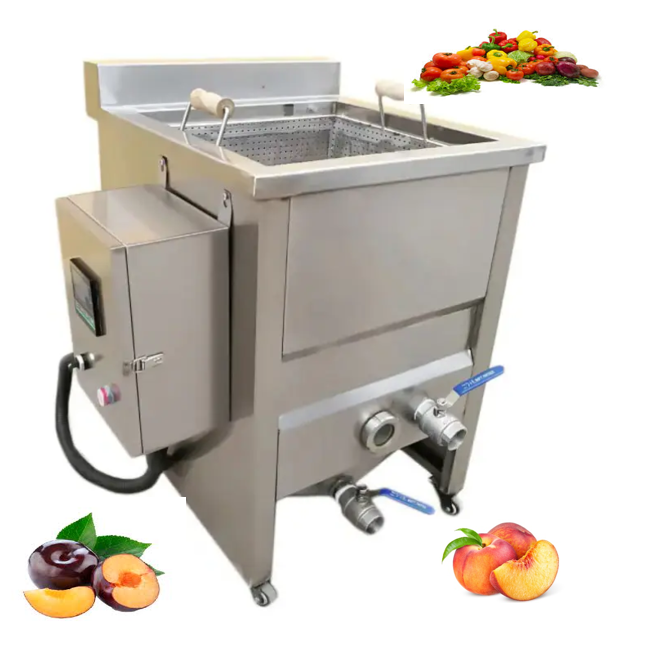
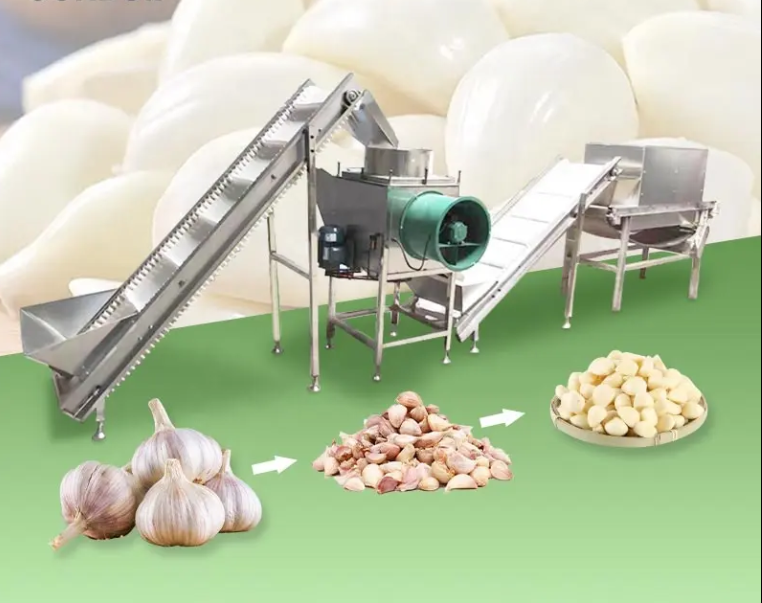
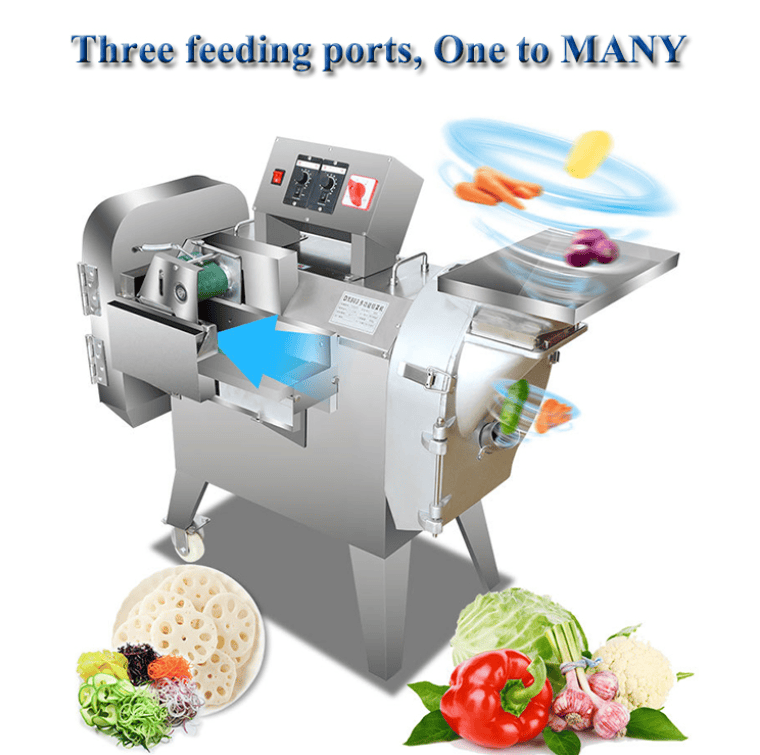
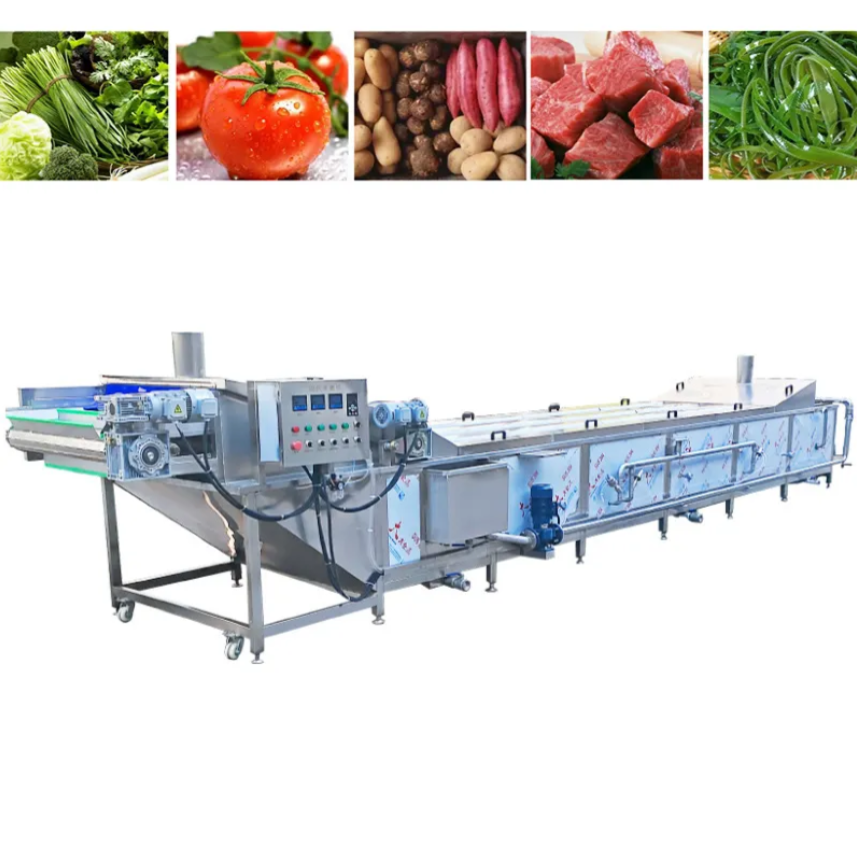
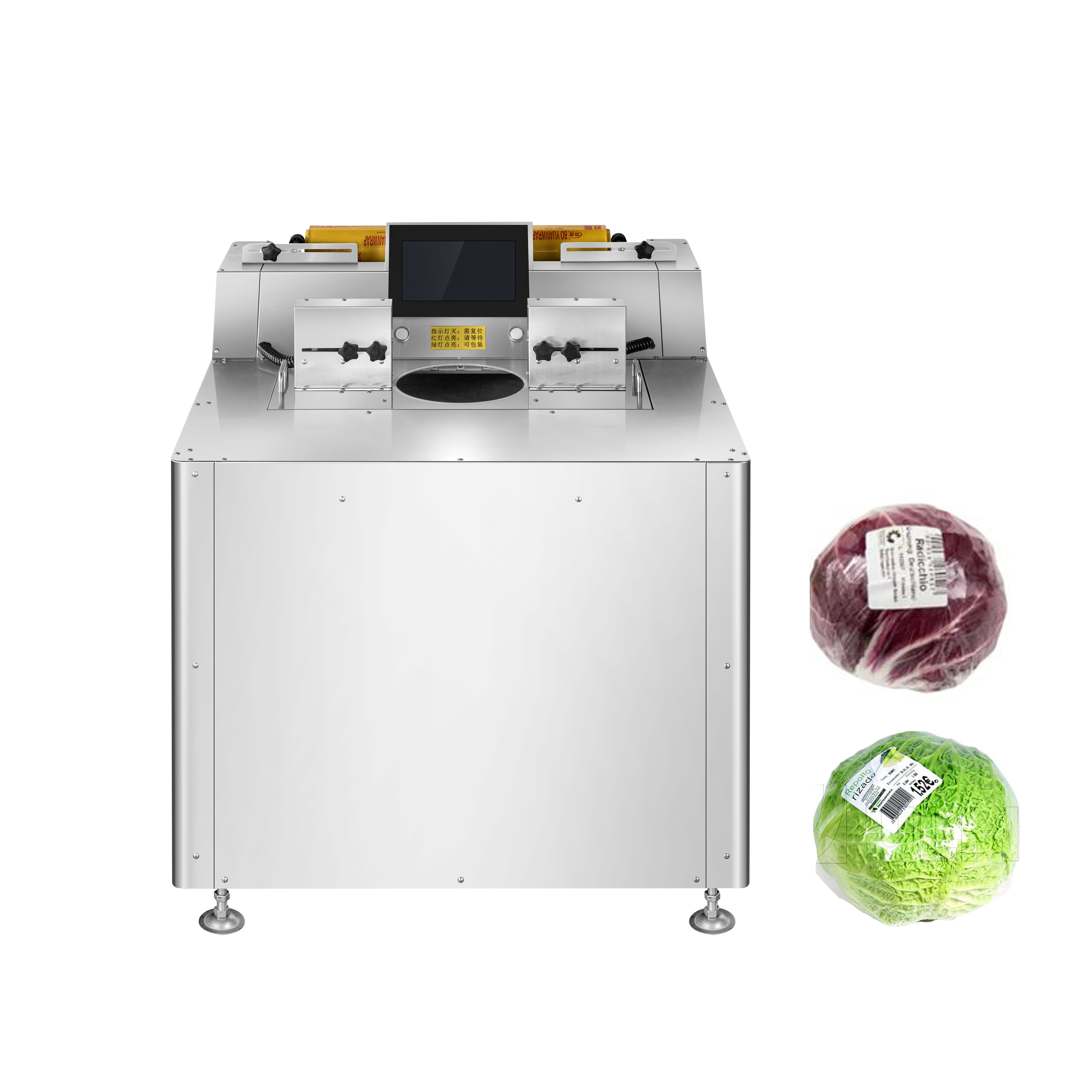
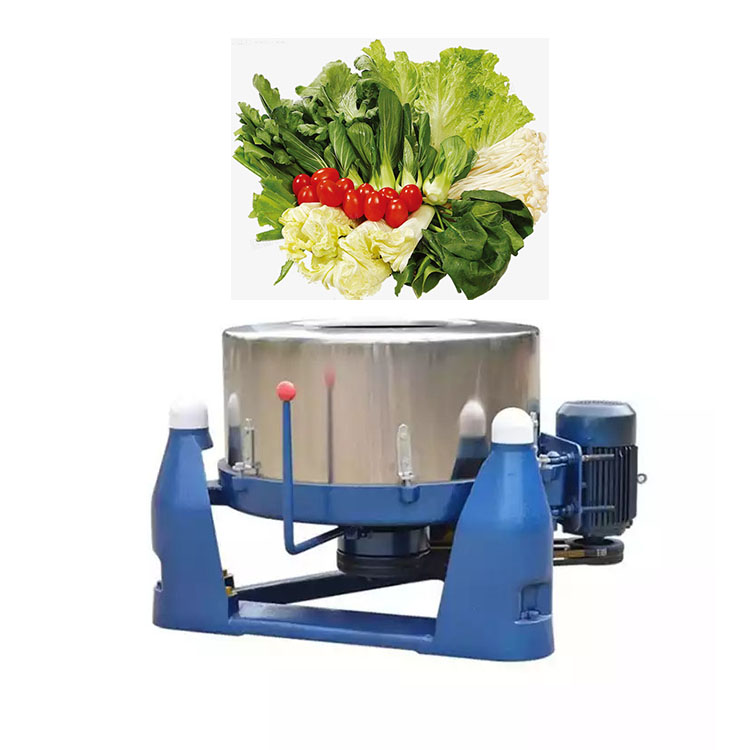
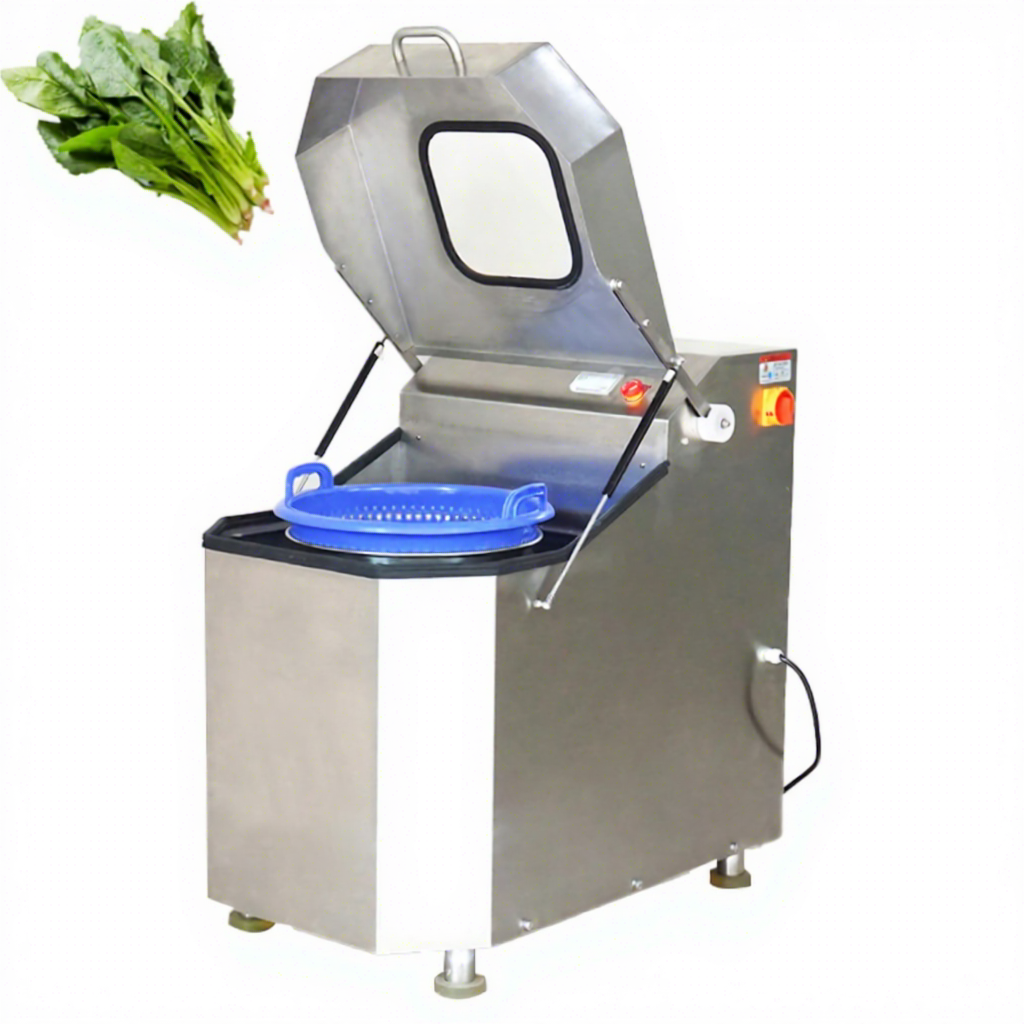
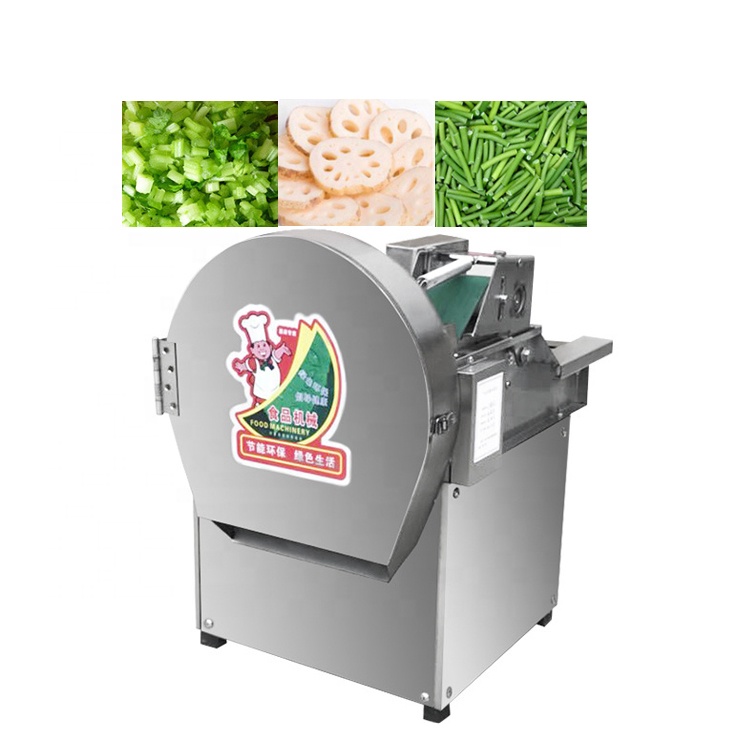
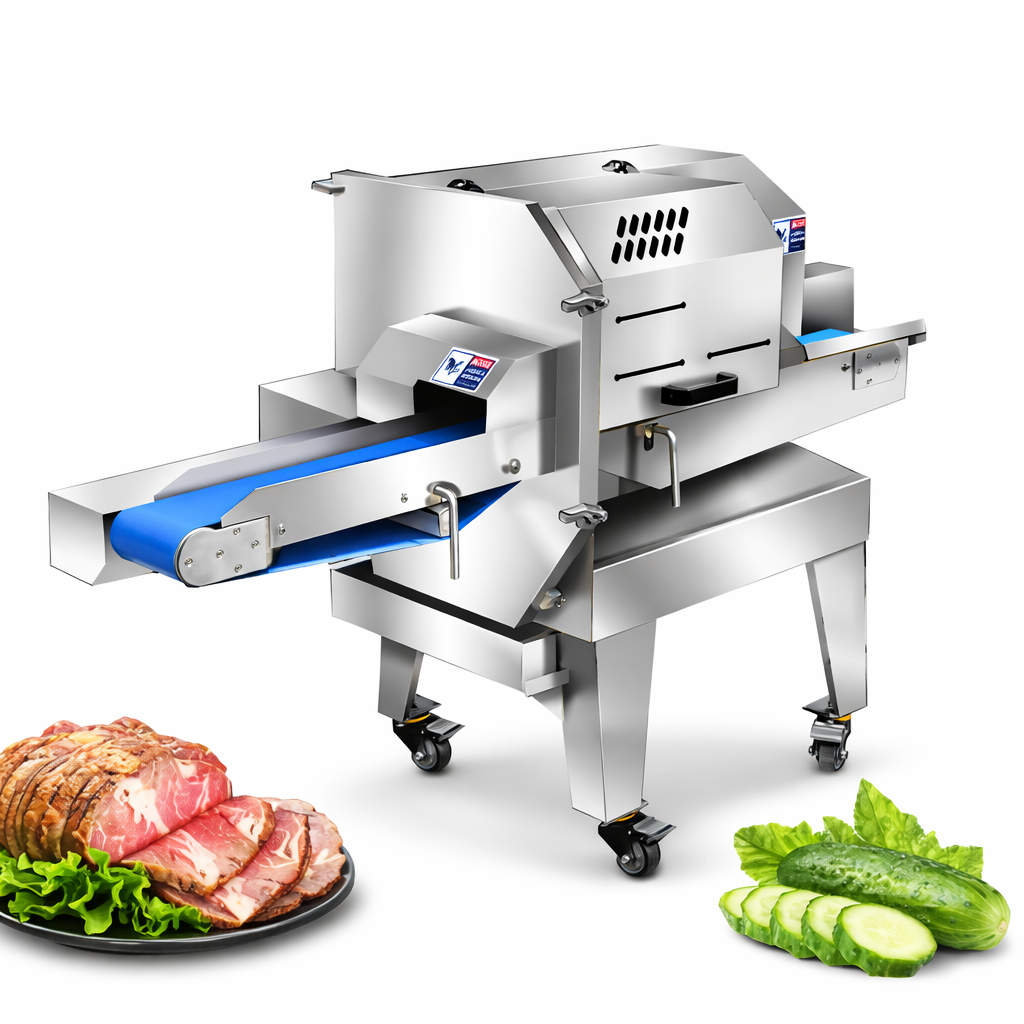
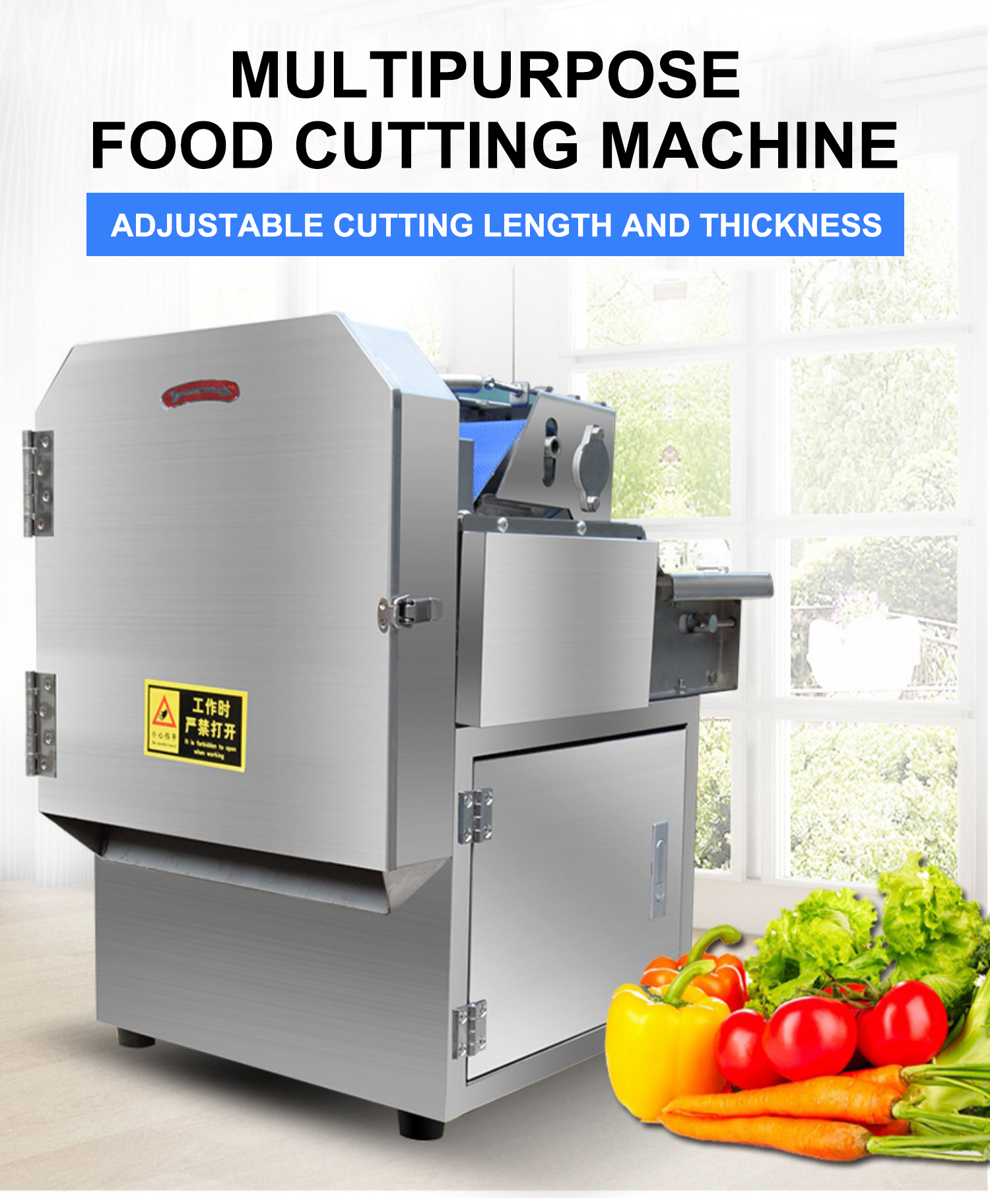
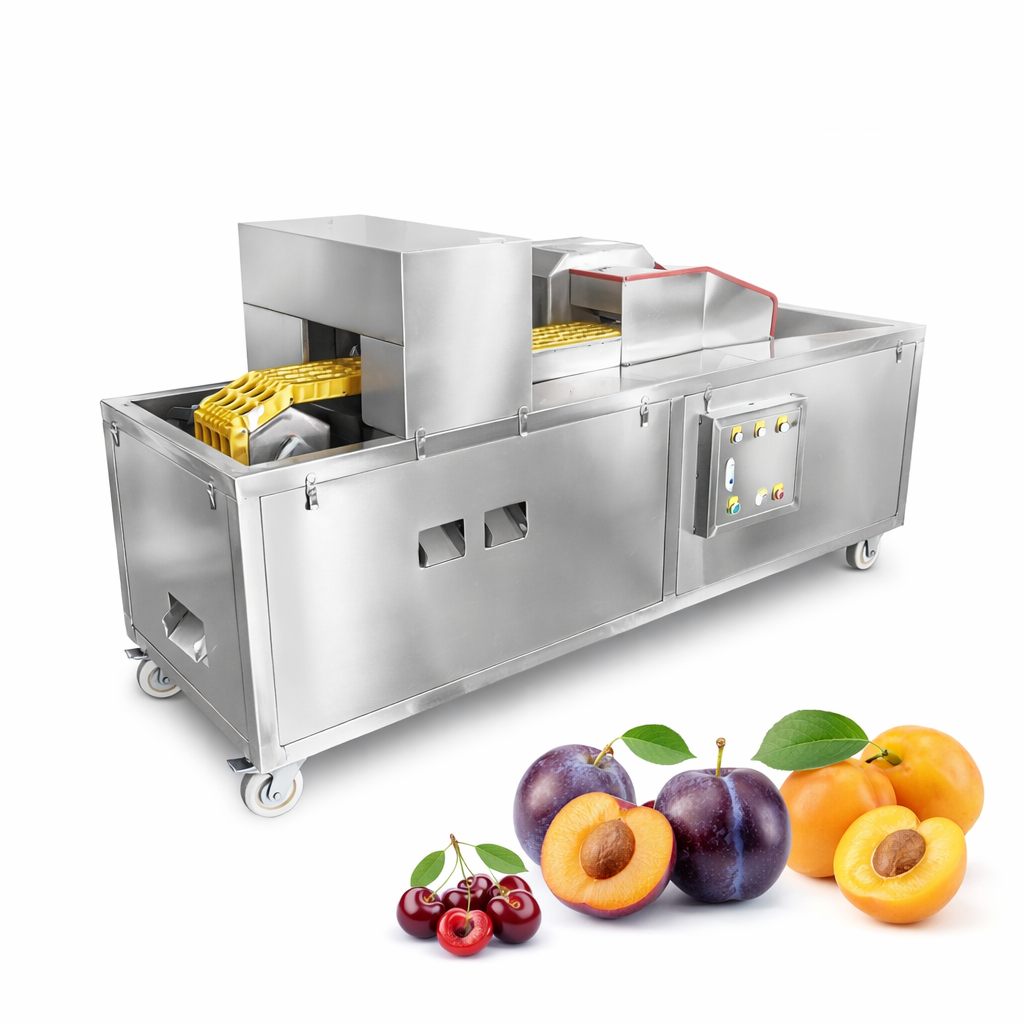
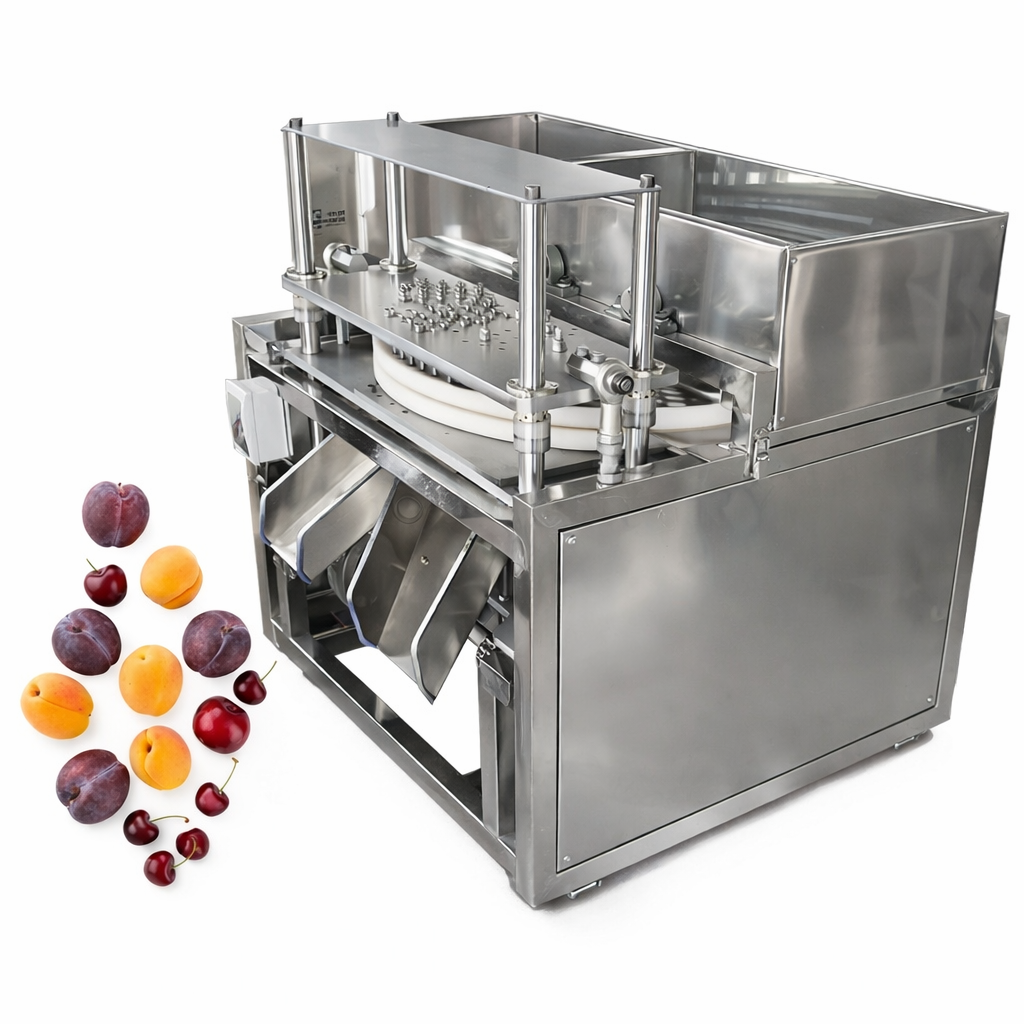
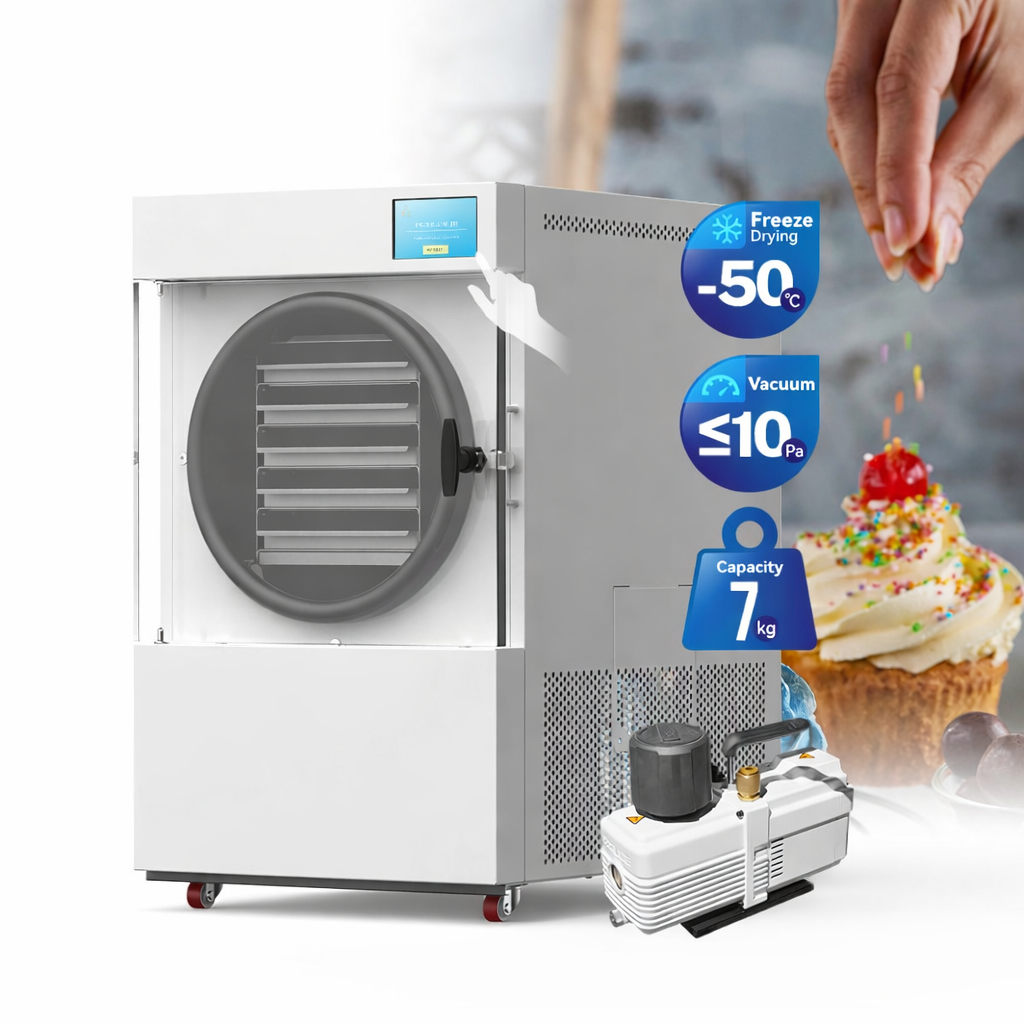
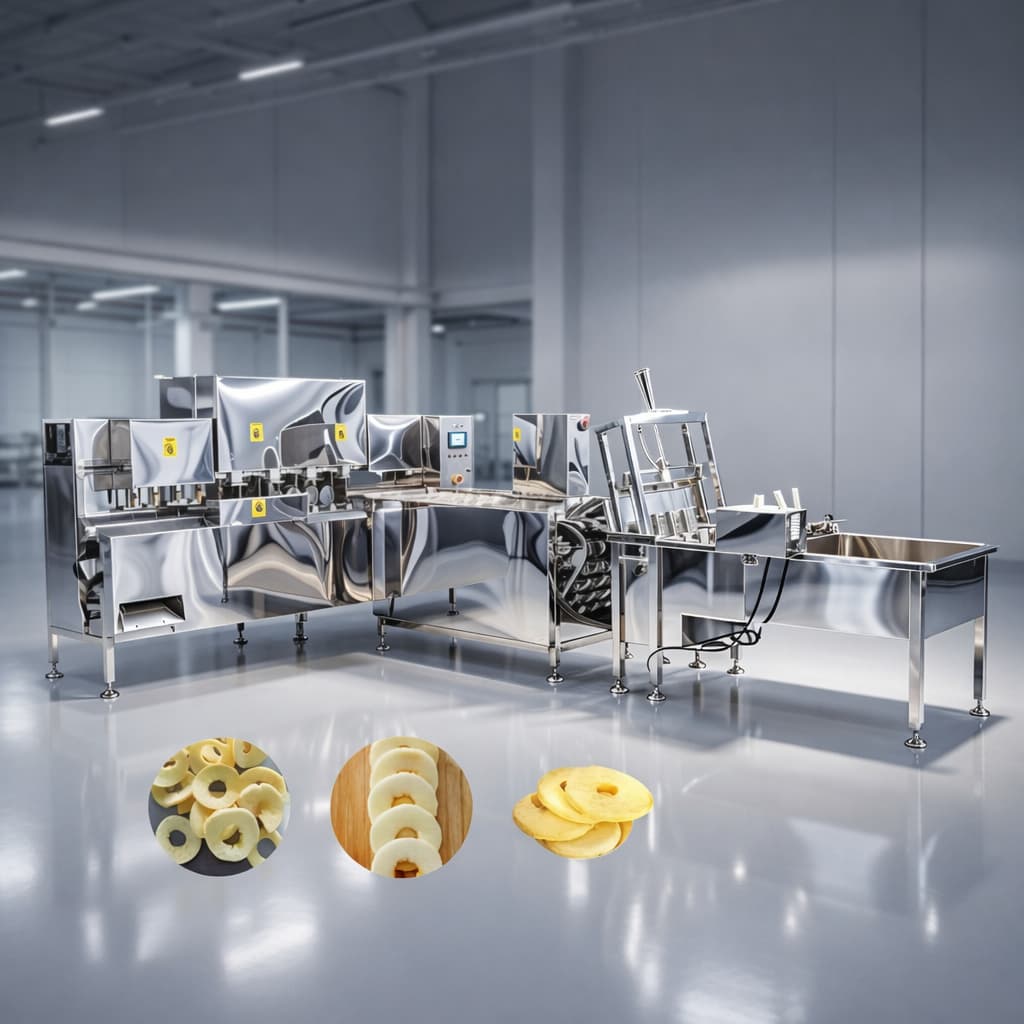
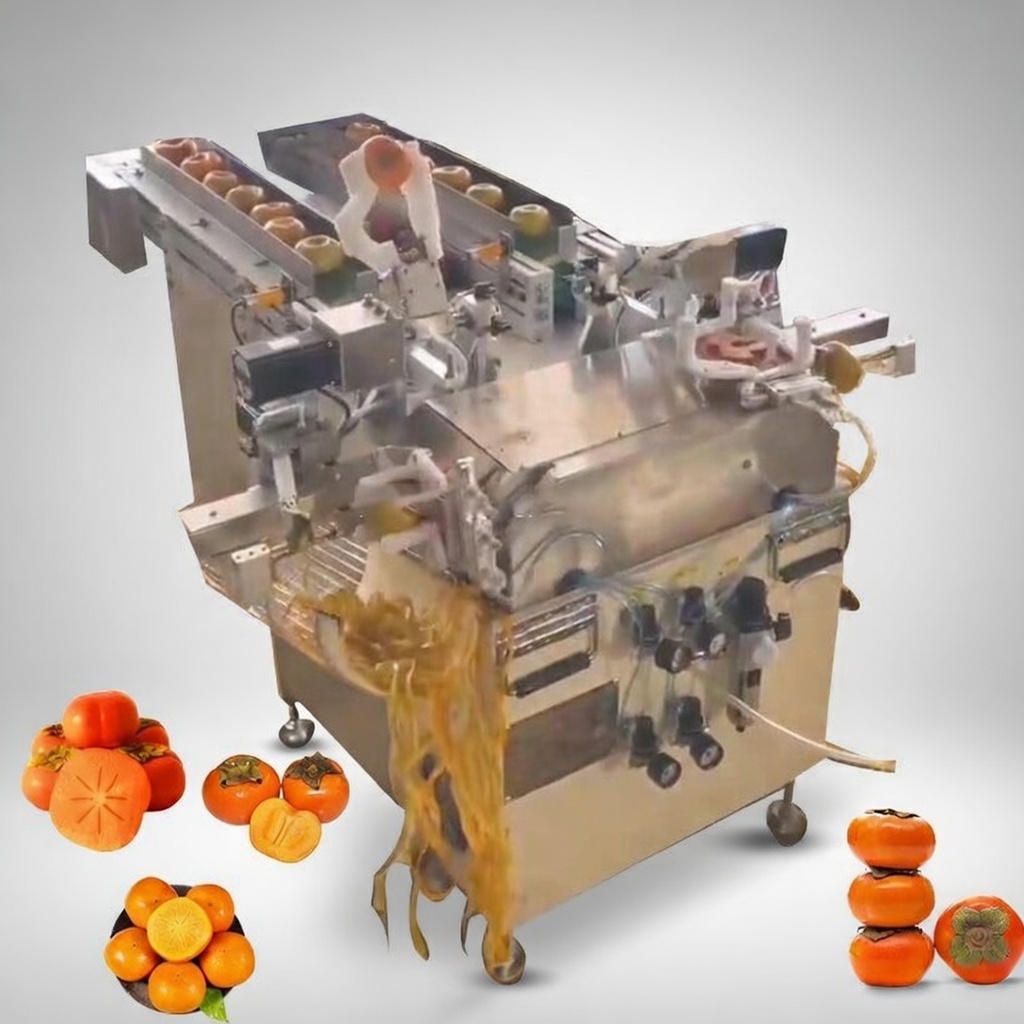
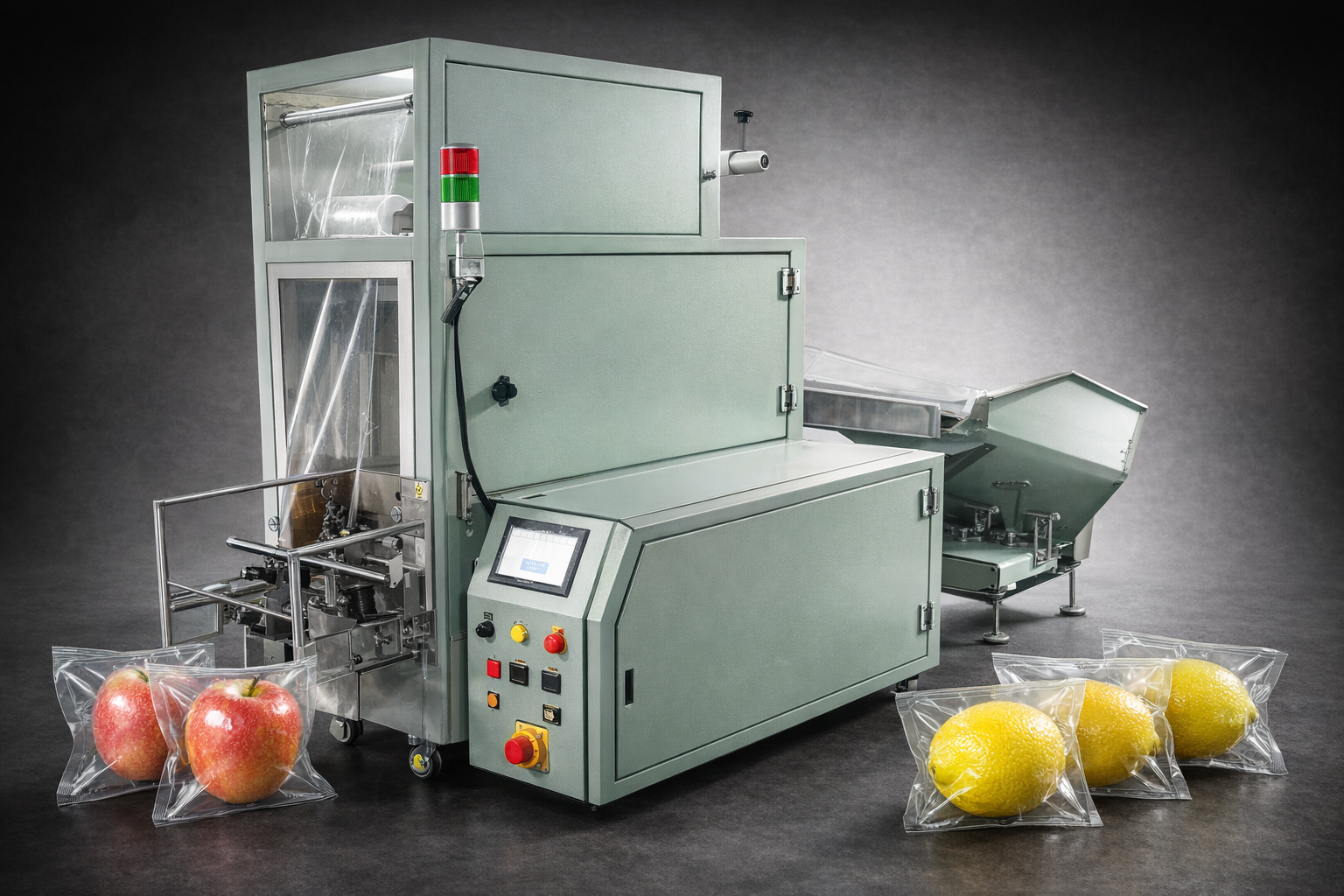
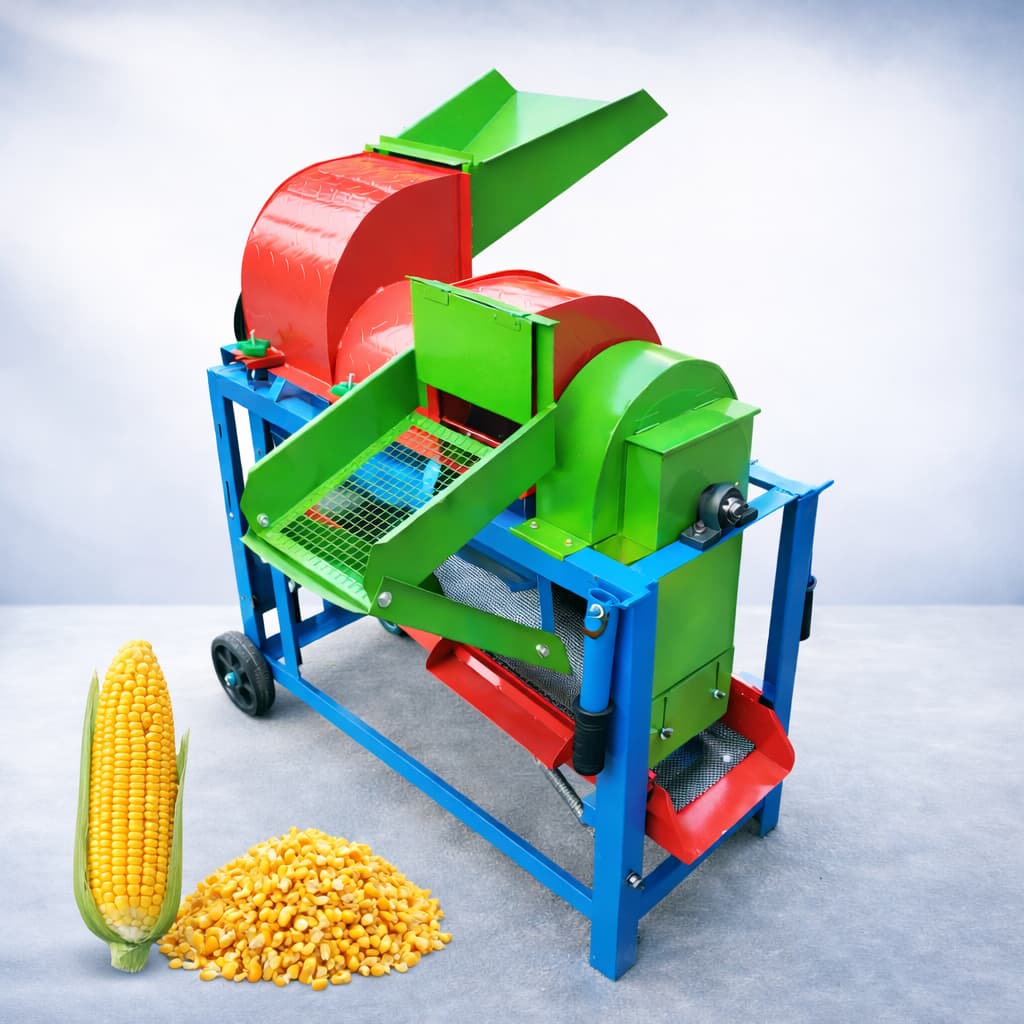
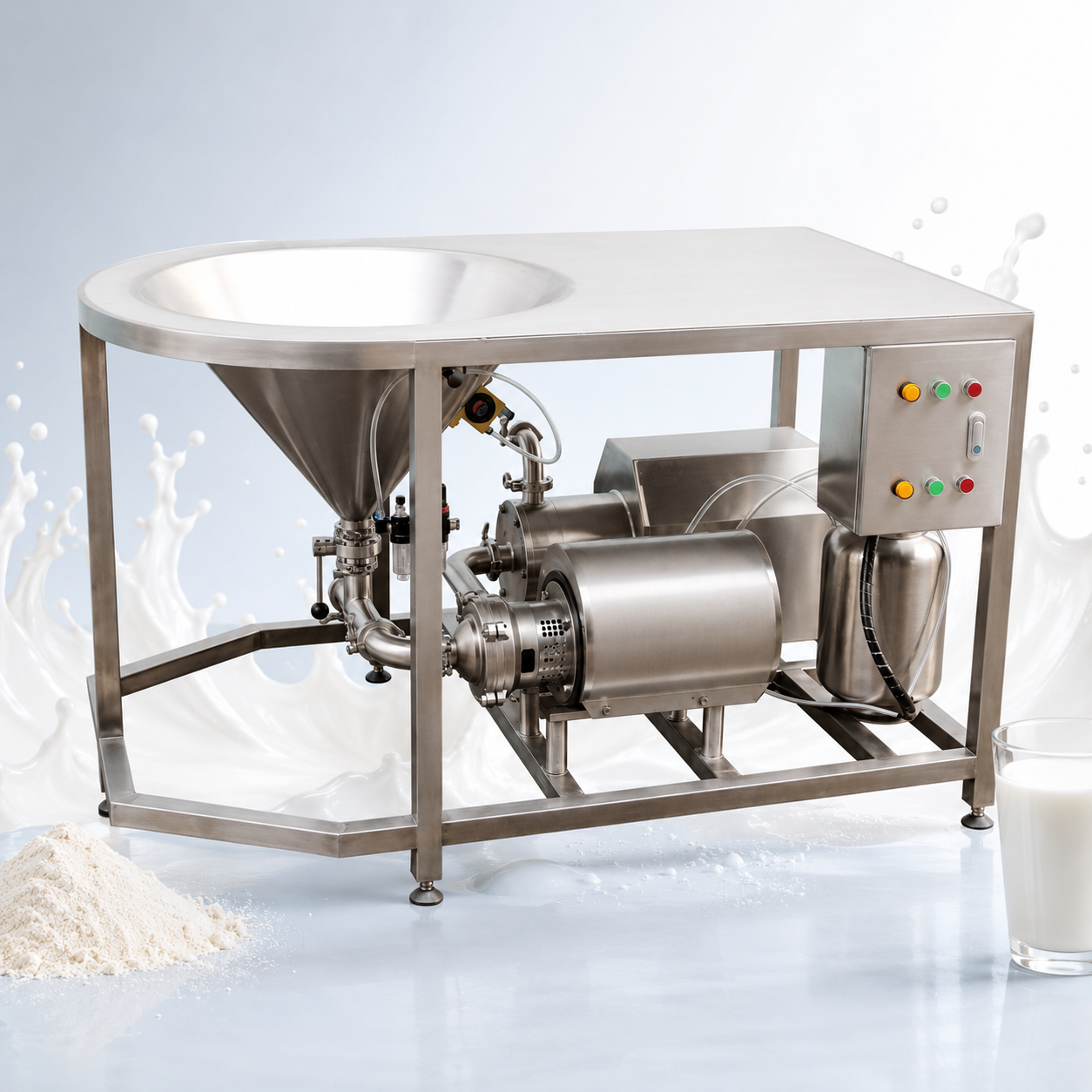
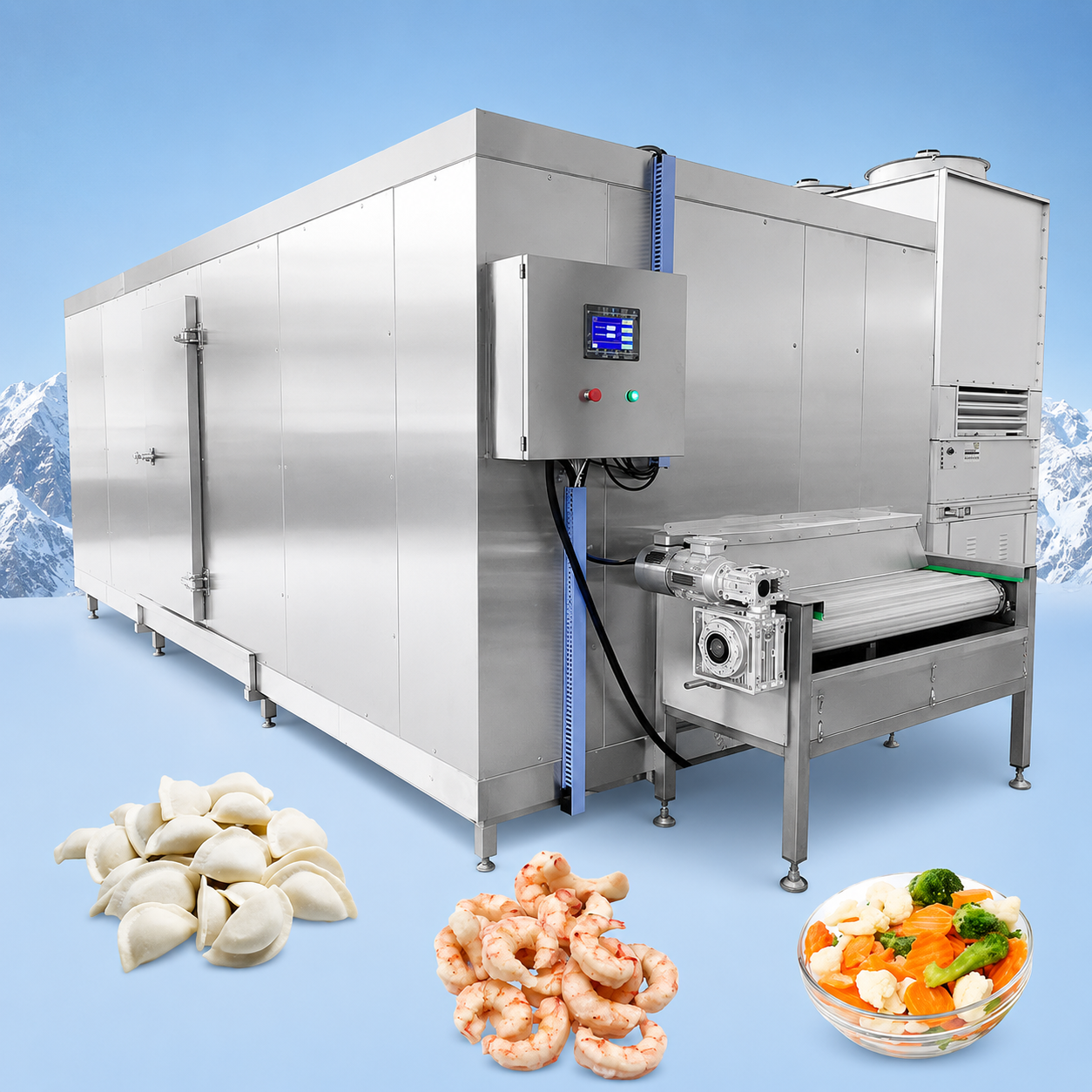
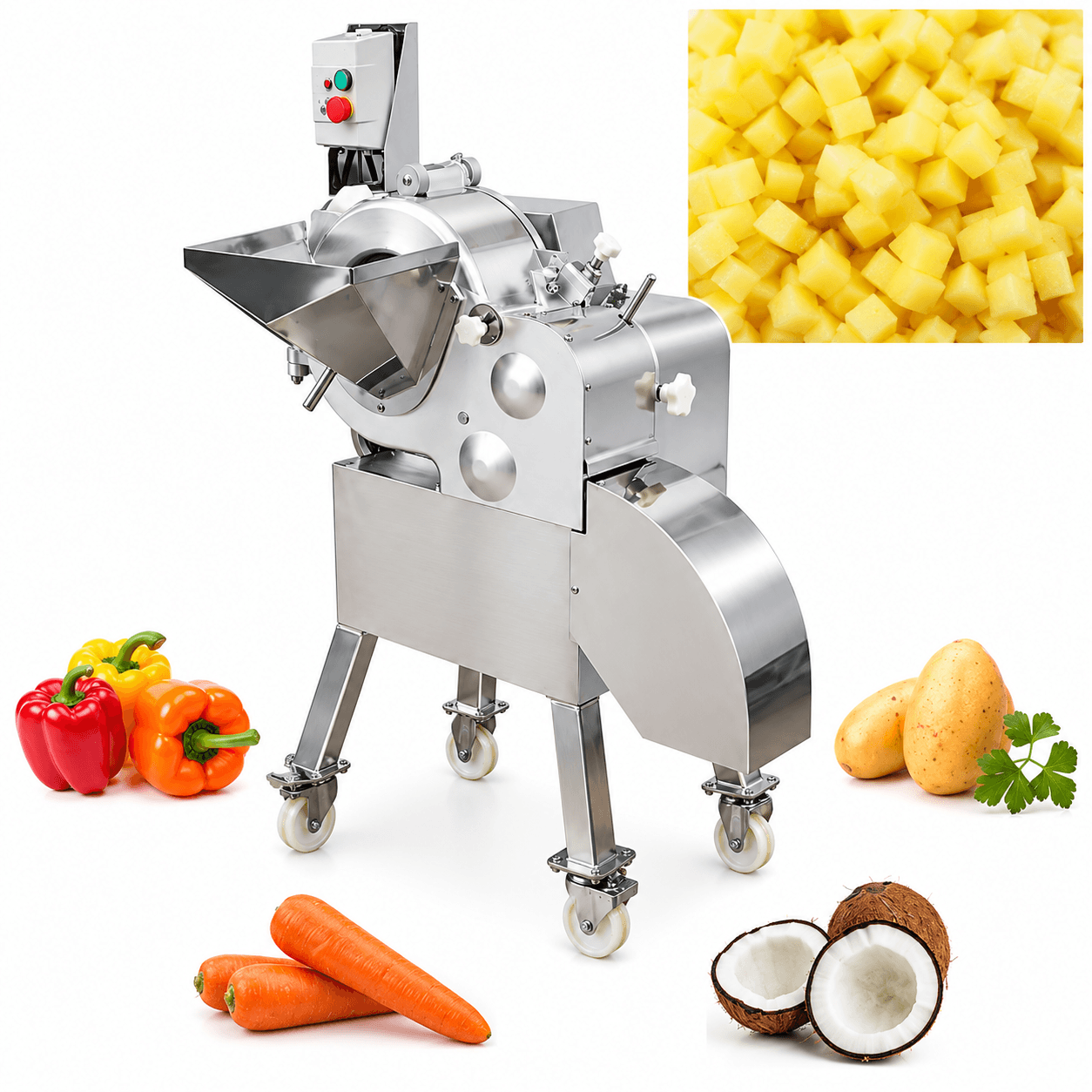
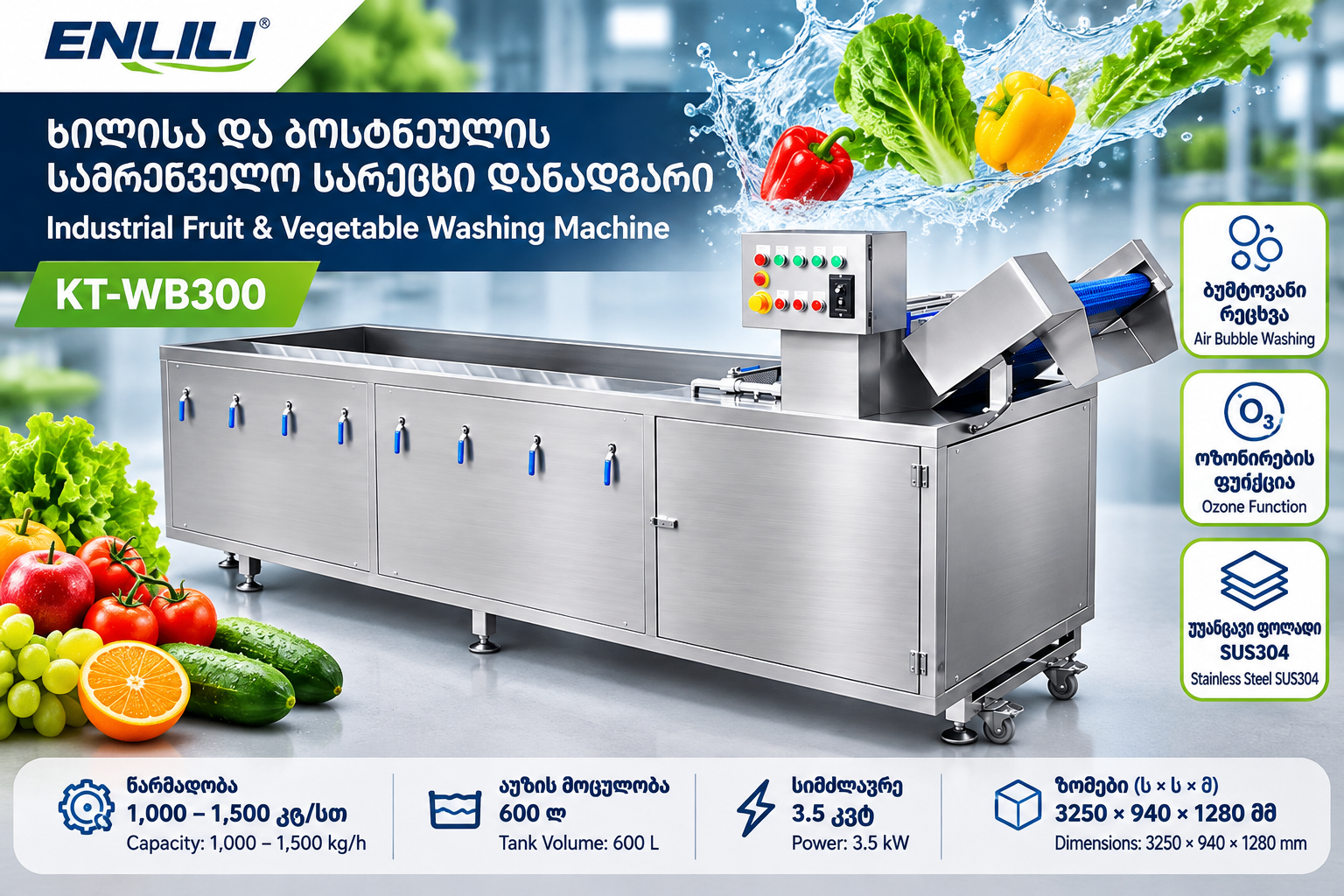
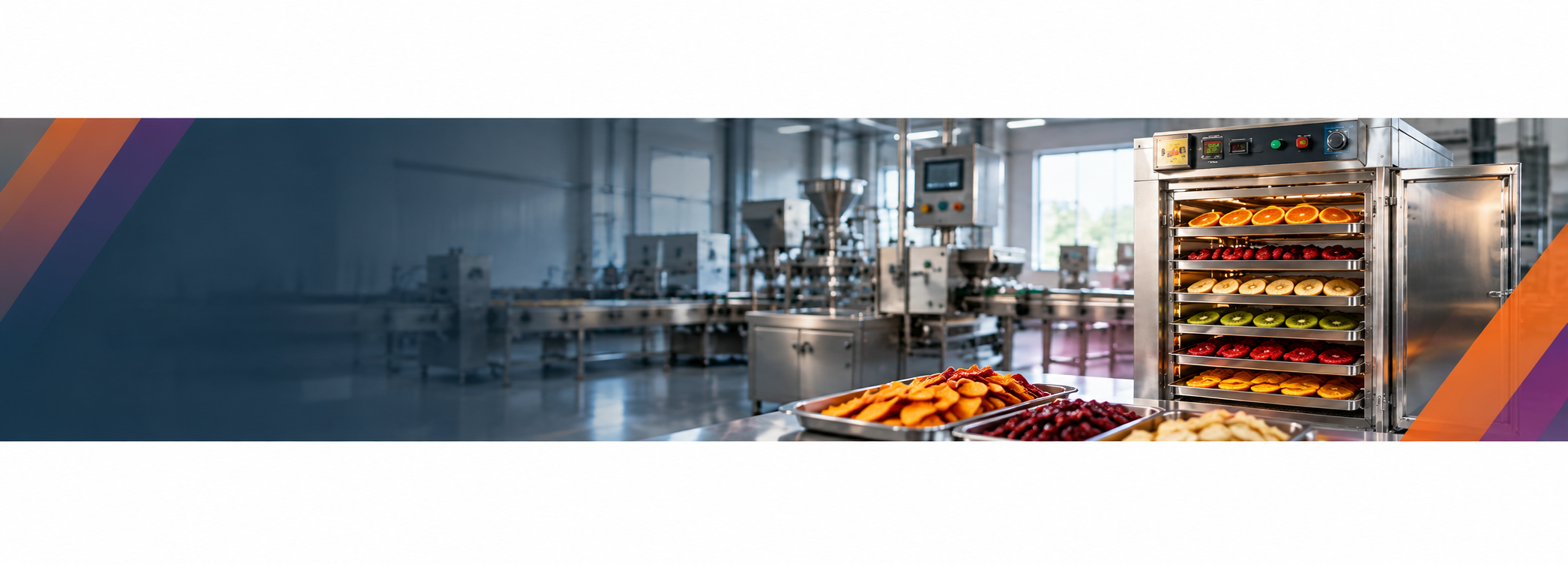
Equipment and systems for washing, sorting, cutting, drying and packaging fruits and vegetables.
The appropriate production process depends on the type of raw material, desired final product and required production capacity.
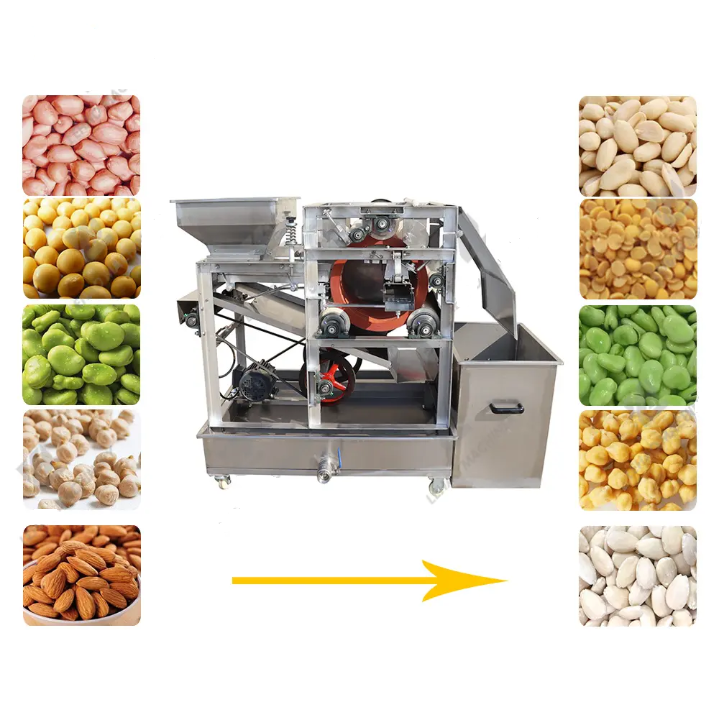
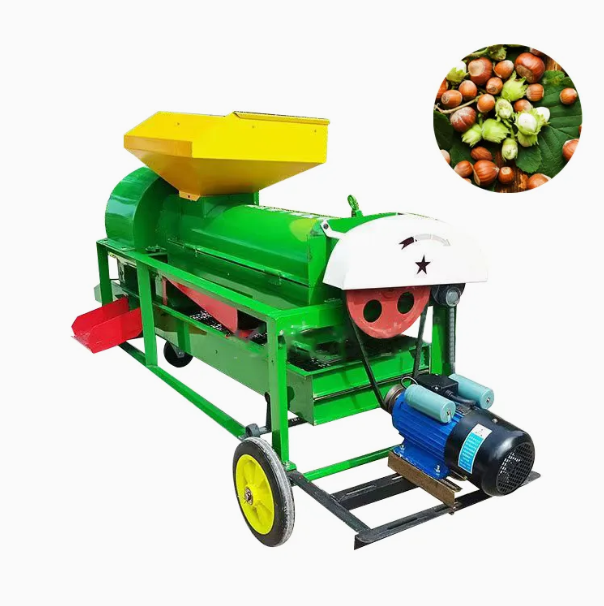
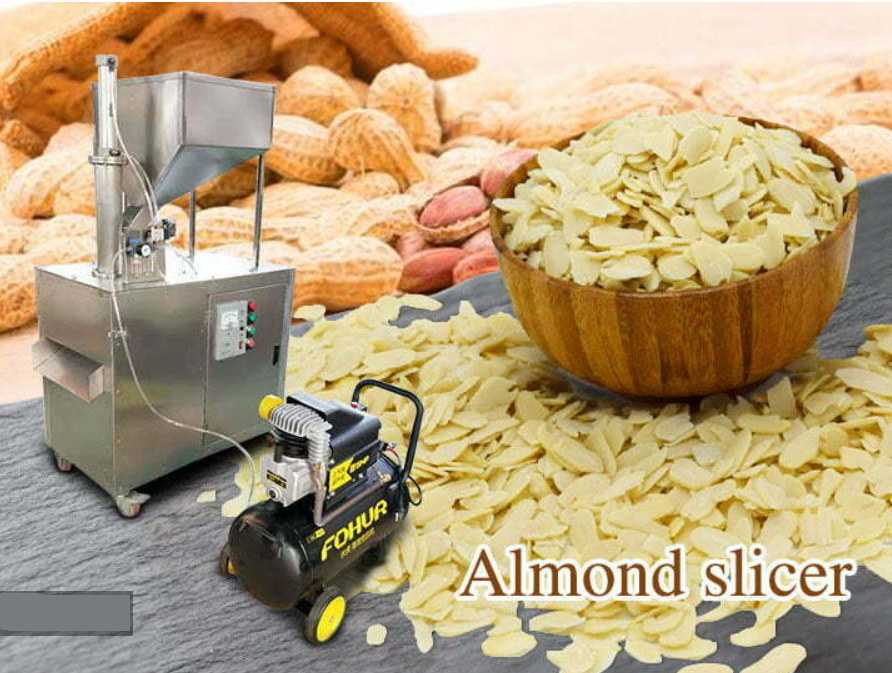
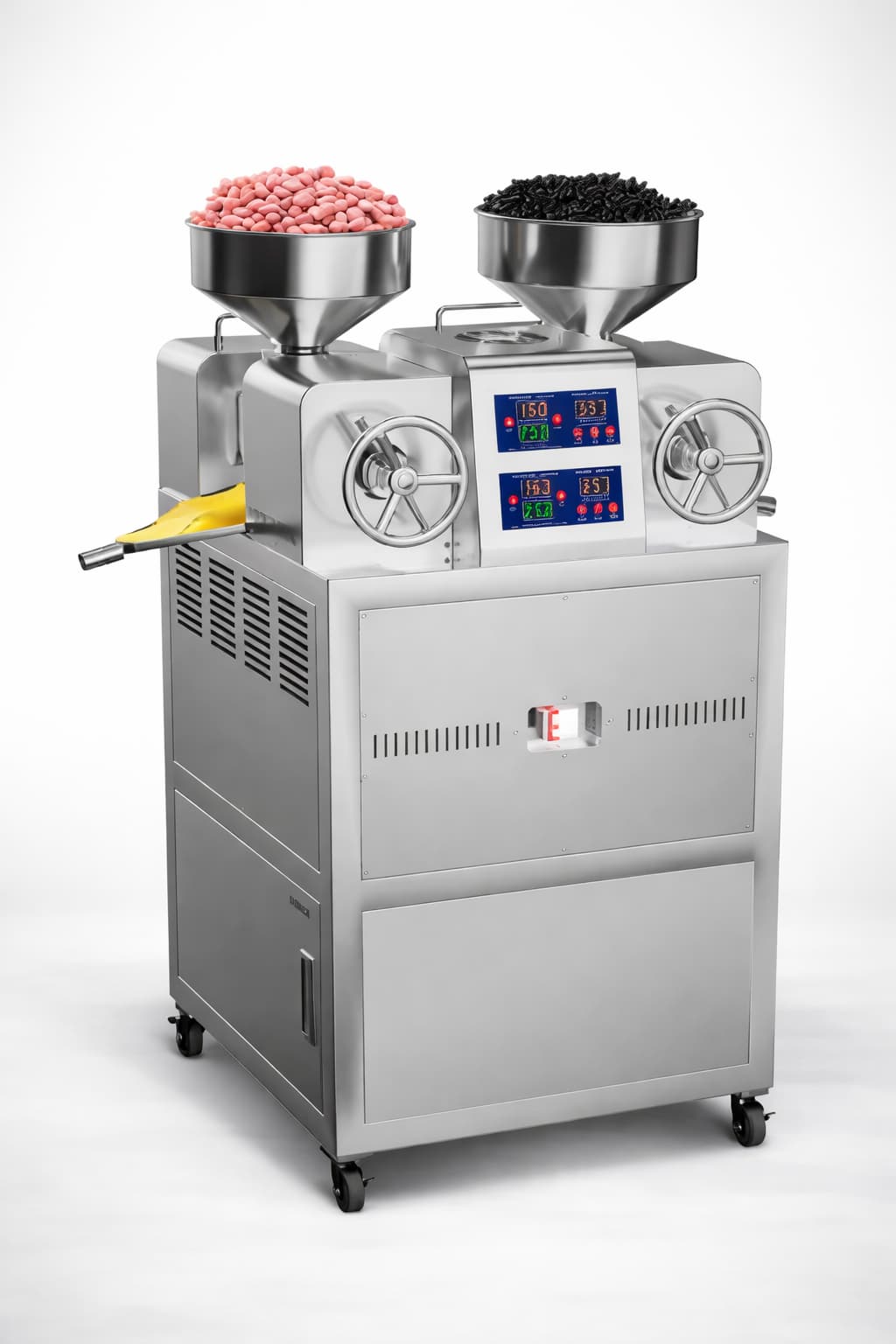
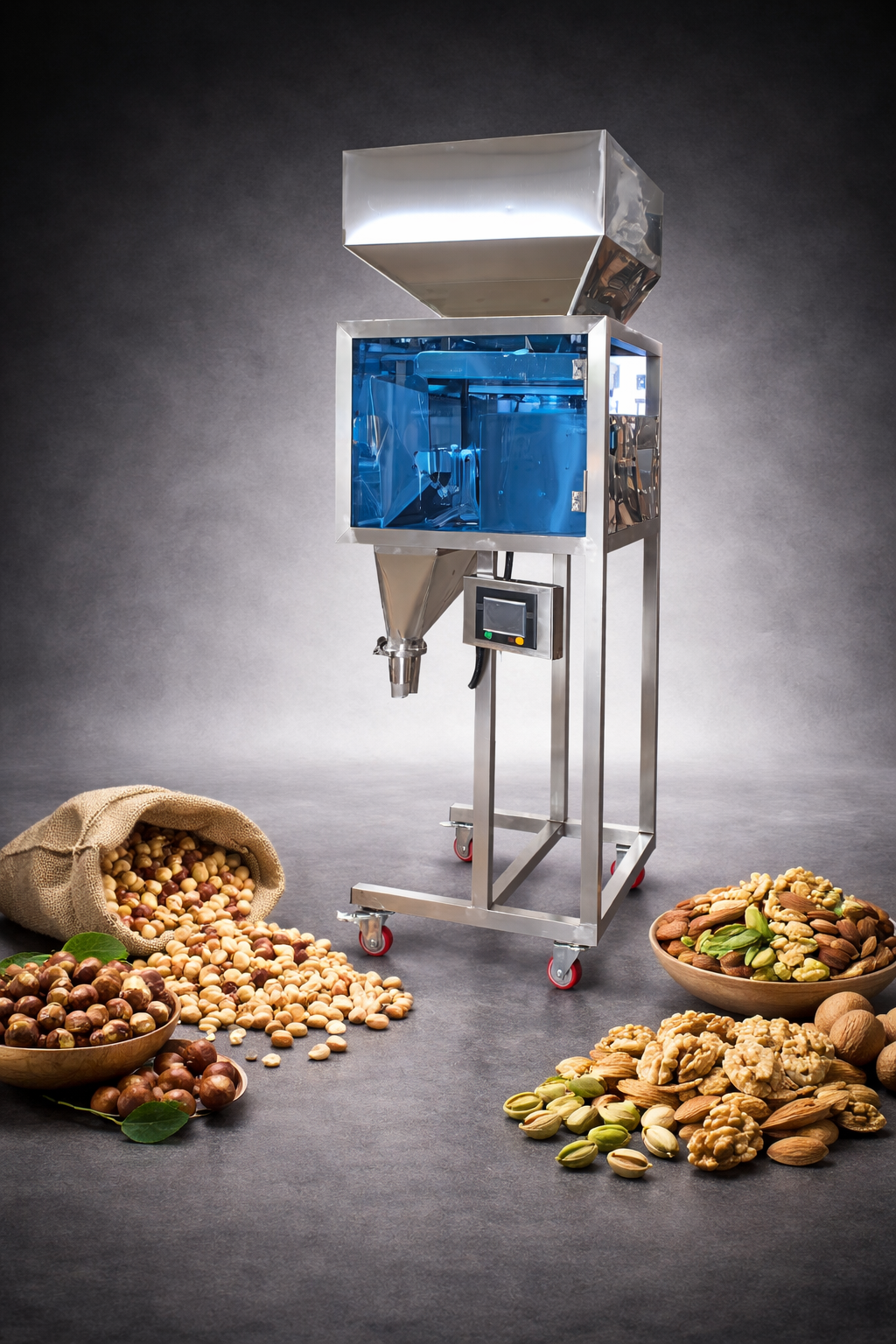
Nut Processing Equipment
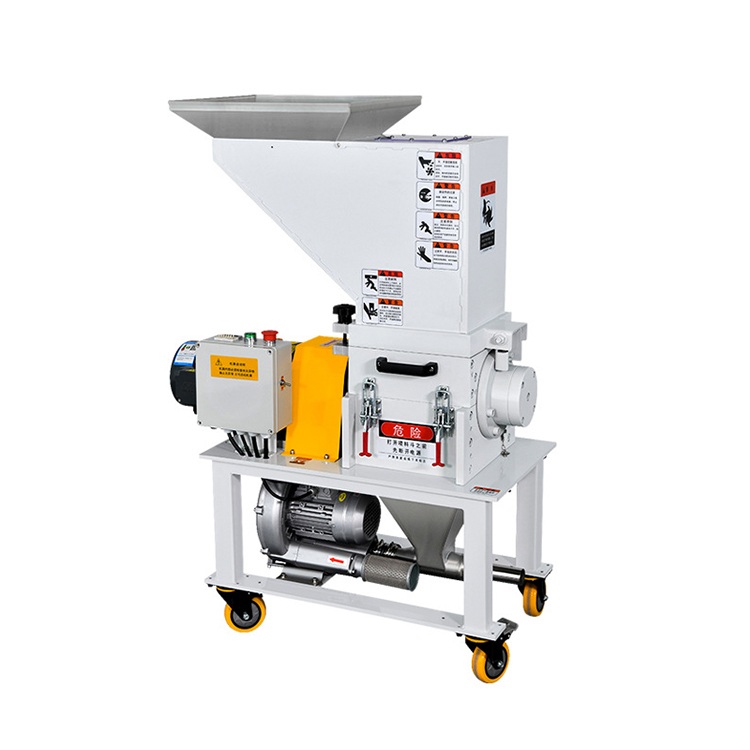
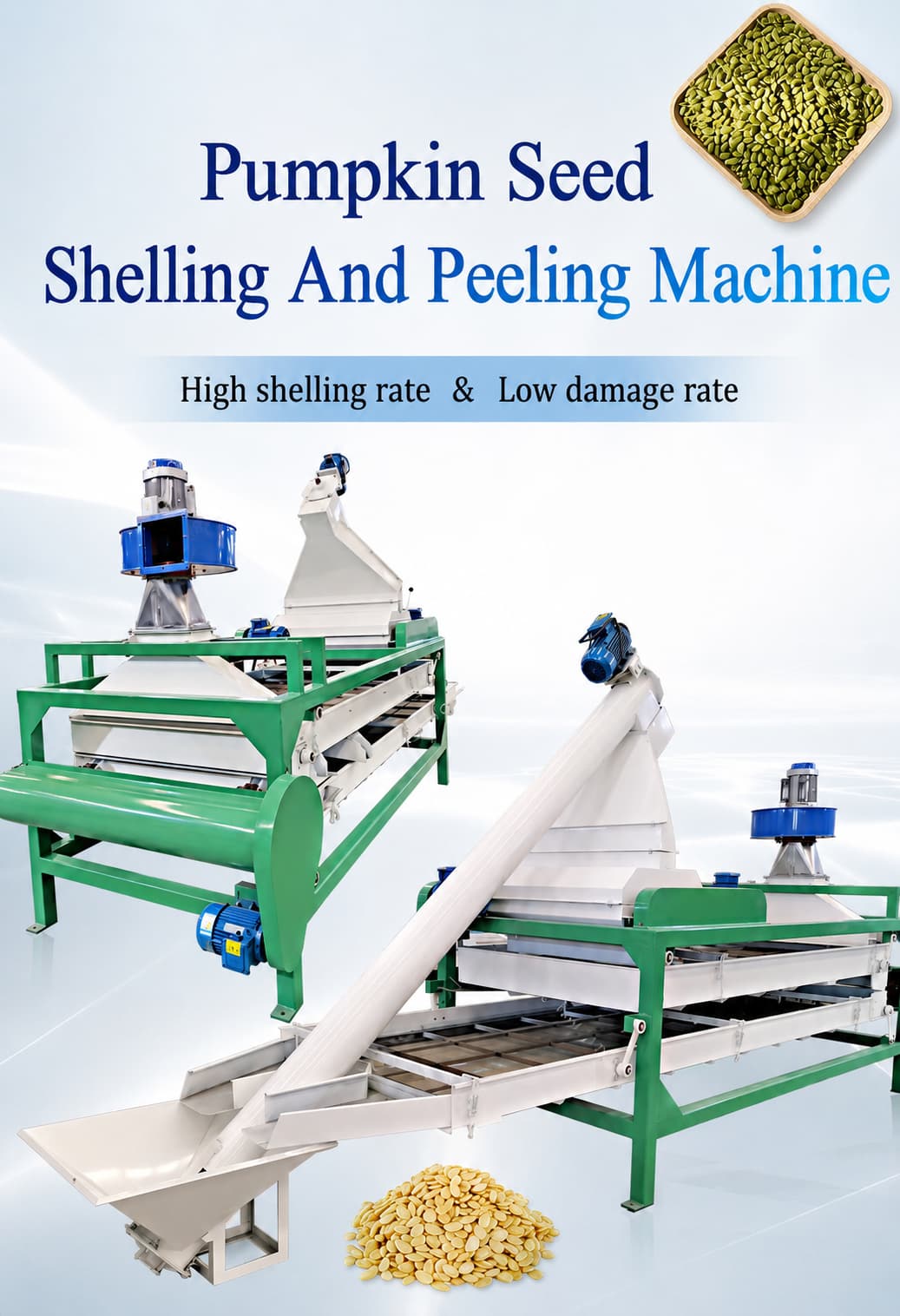
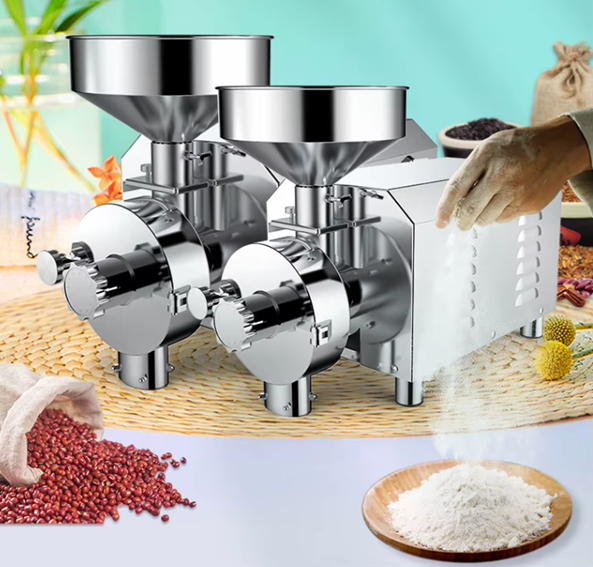
Industrial machines for cutting, crushing, grinding, sorting and packaging nuts and similar products.
Powder and Granule Packaging
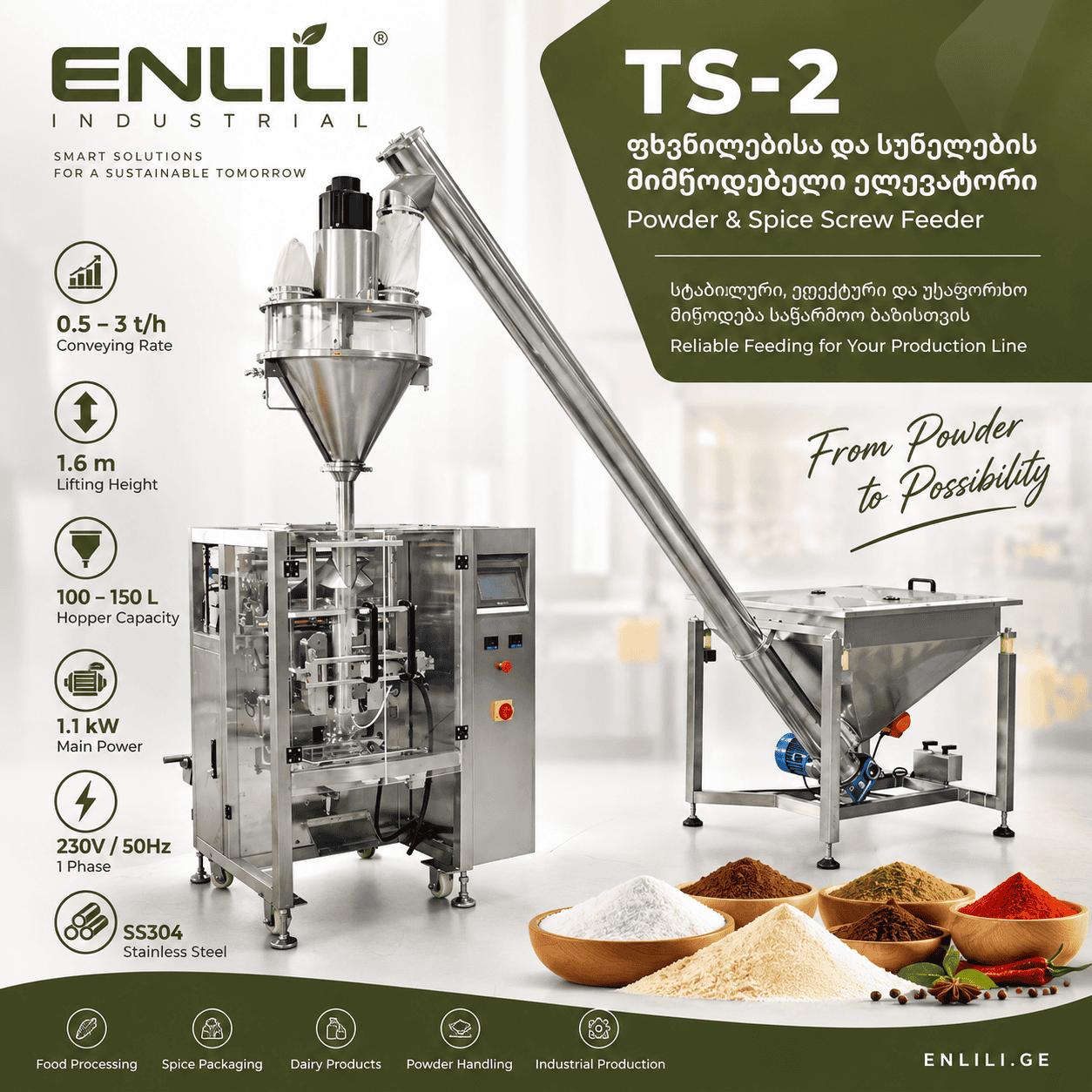
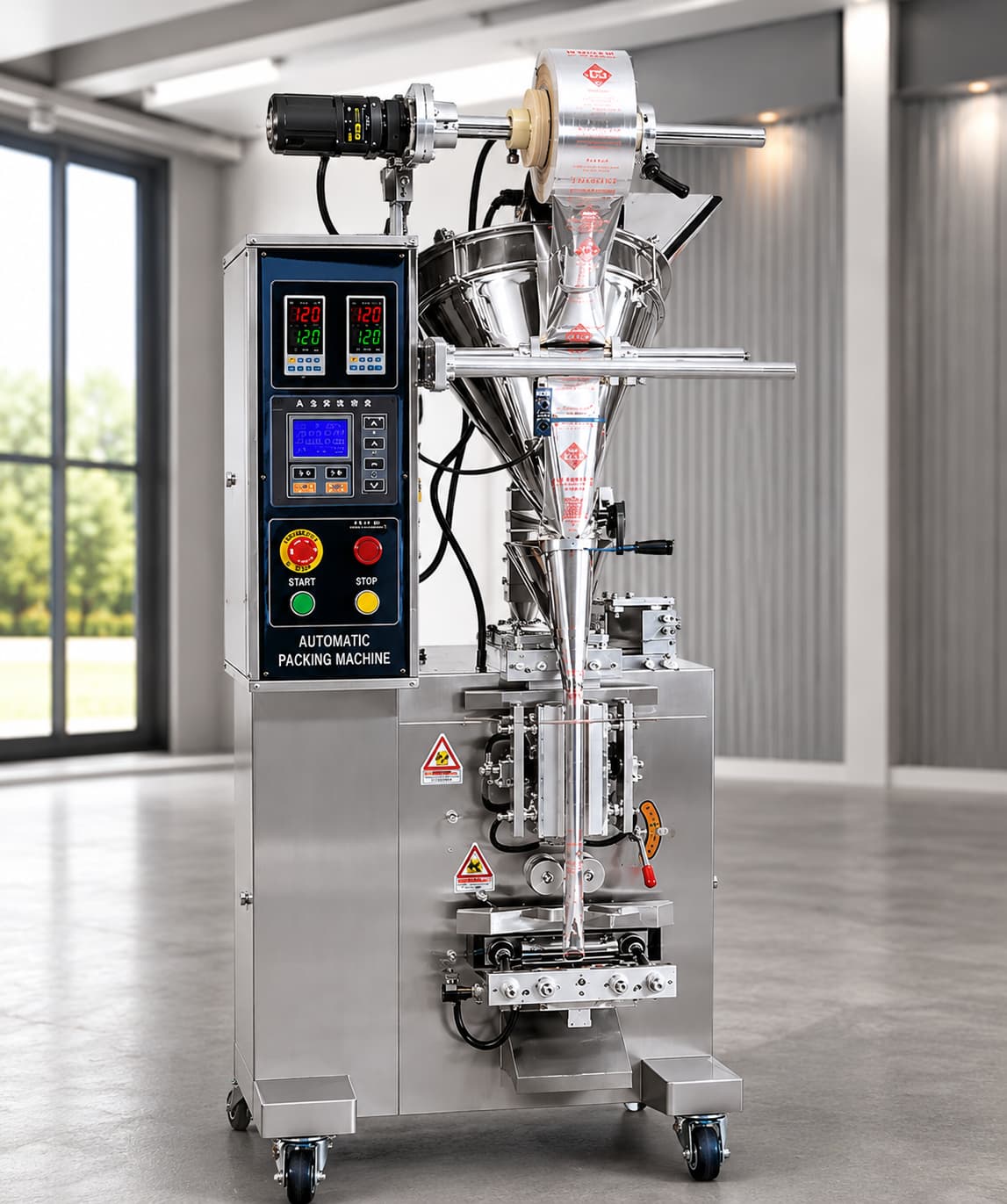
Dosing and packaging systems for sugar, spices, powdered ingredients and other dry or granular products.
Depending on manufacturing requirements, solutions may include different packaging formats, including single-serve stick-pack packaging machines.
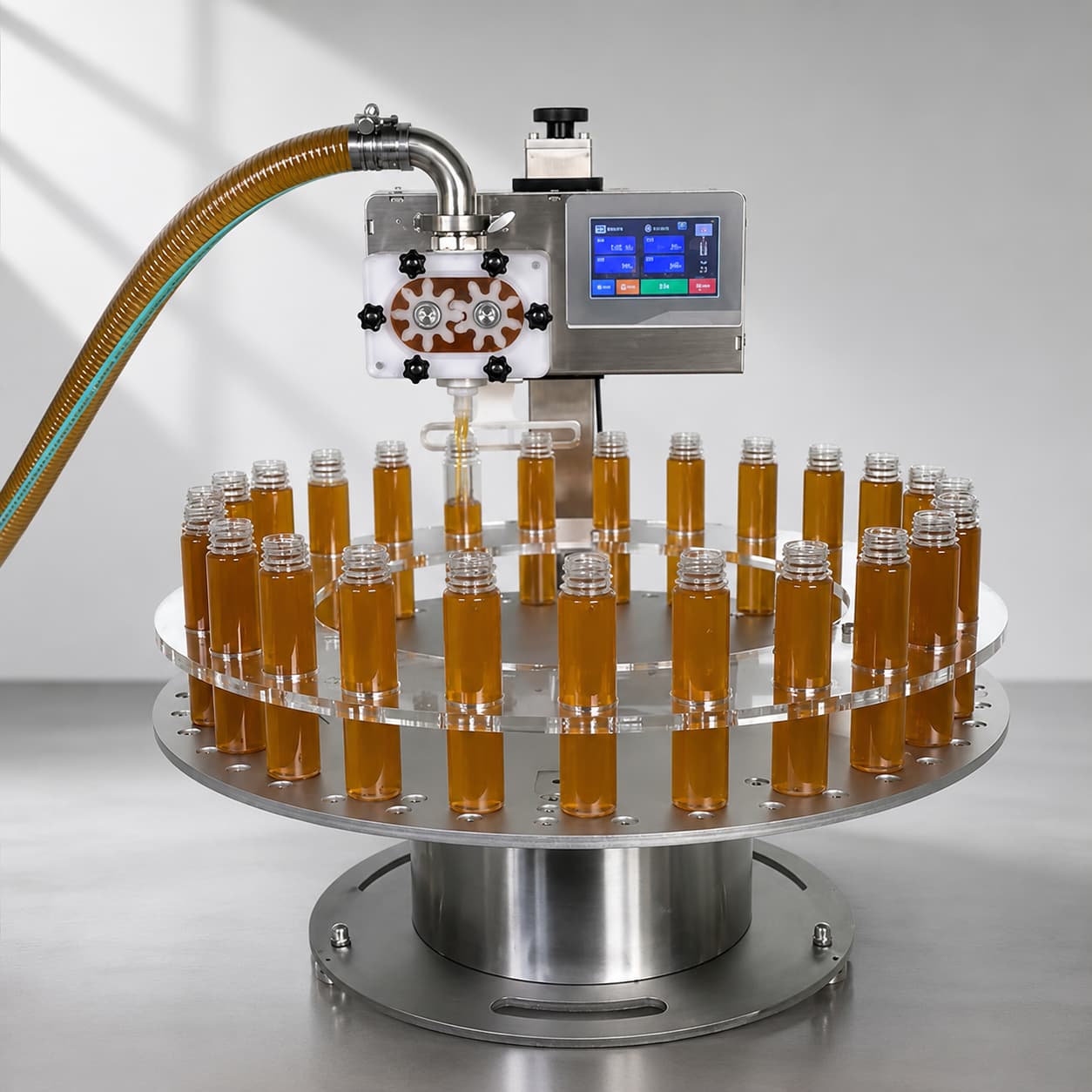
Liquid and Viscous Product Filling
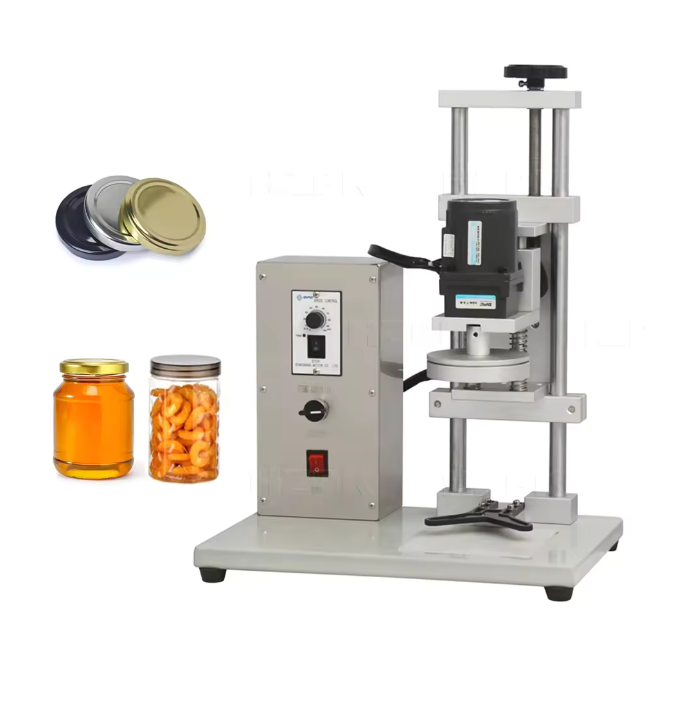
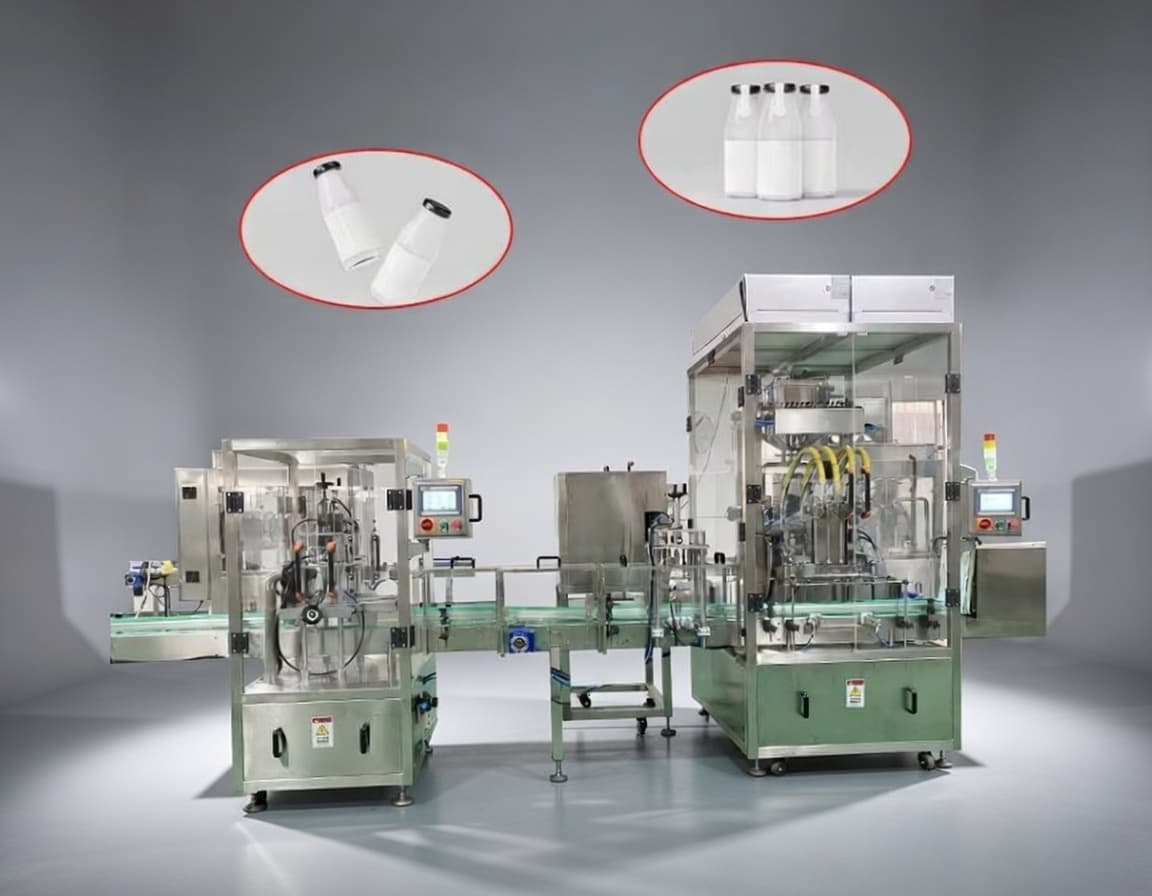
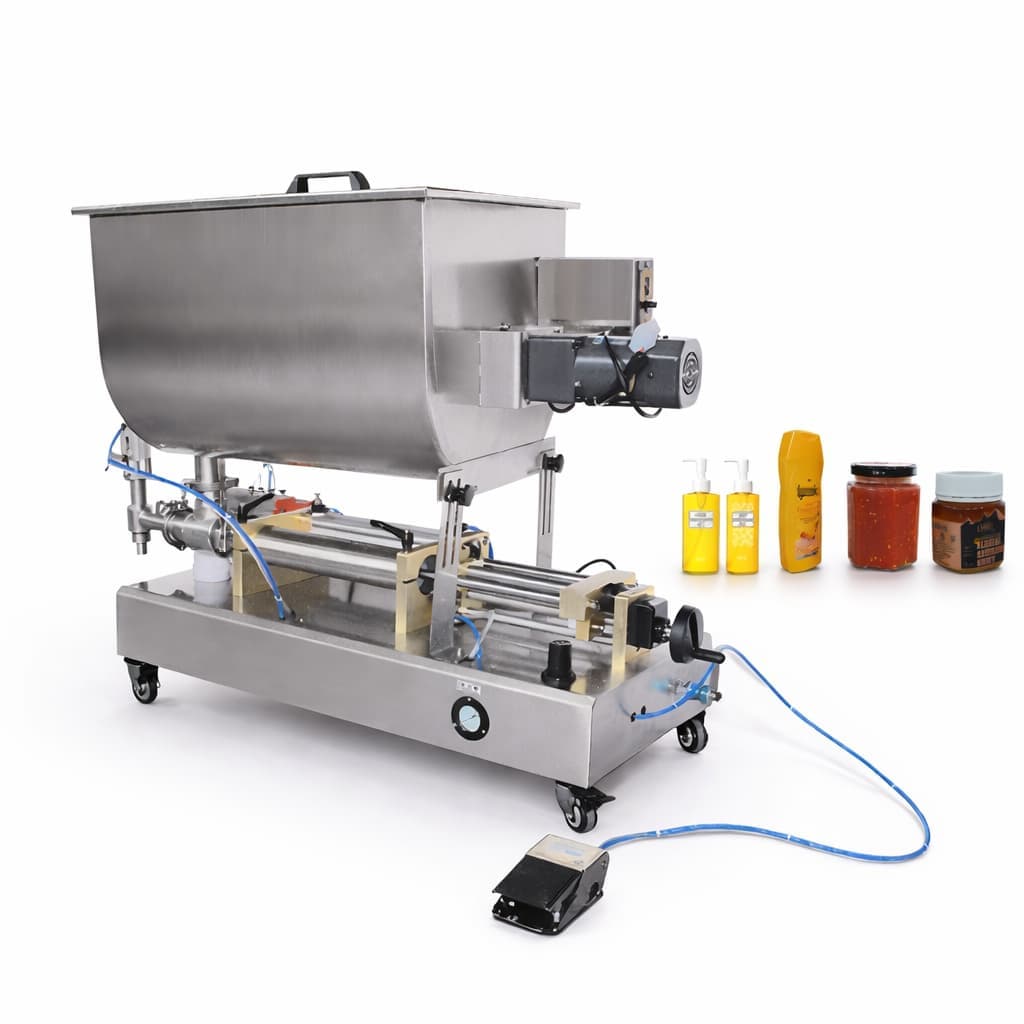
Filling and dosing equipment for honey, sauces, syrups and other compatible products.
Machine selection depends on product viscosity, filling volume, packaging type and required production speed.
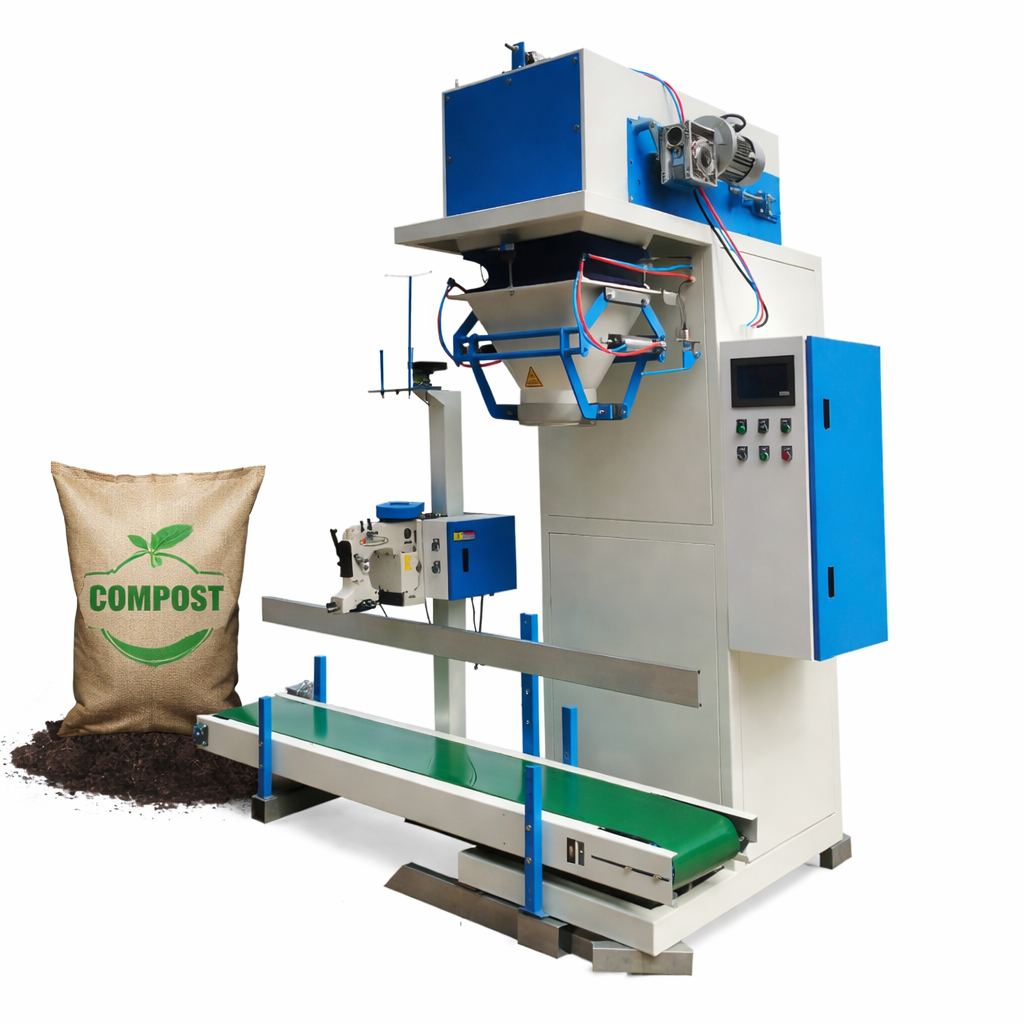
End-of-Line Packaging and Palletizing
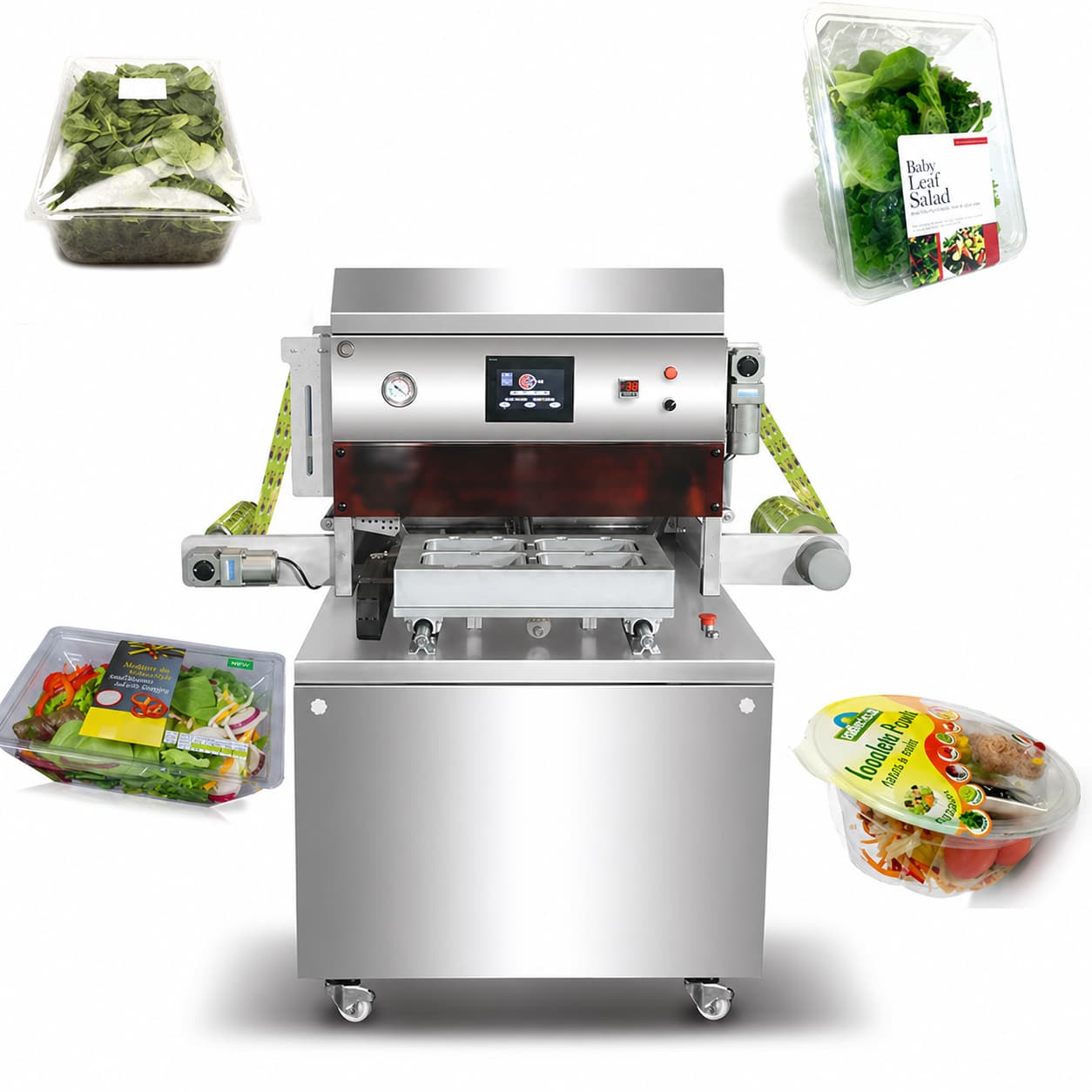
Automated solutions for product packaging, labeling, conveyor transportation, carton handling and robotic palletizing.
How Is a New Production Line Designed?
One common mistake when investing in manufacturing equipment is selecting individual machines without analyzing the complete production process.
For example, suppose one machine processes 500 products per hour, while the packaging machine that follows it can handle only 300 products per hour.
In this situation, the overall production line capacity may be limited by the packaging stage.
Therefore, effective production line planning should begin with an analysis of manufacturing requirements rather than simply selecting equipment from a product catalog.
1. Manufacturing Requirements Analysis
The first step is to determine what the facility needs to manufacture or process, the required production capacity and the expected product quality.
Existing operations, production bottlenecks and future expansion plans should also be considered.
2. Production Process Development
The next step is to define the sequence of manufacturing operations and determine how products or materials will move between individual stages.
3. Equipment and Component Selection
Suitable machines and components are selected according to their technical specifications, production capacity and compatibility with the rest of the system.
4. Determining the Level of Automation
Not every manufacturing facility requires a fully robotic production line.
In some cases, a semi-automatic system that can be expanded or upgraded in the future may offer better economic value.
5. Technical and Economic Evaluation
The proposed solution should be evaluated based on:
-
Initial investment costs.
-
Energy consumption.
-
Workforce requirements.
-
Maintenance requirements.
-
Expected production capacity.
-
Potential operational improvements.
6. Equipment Configuration and Implementation Planning
Once technical requirements have been agreed upon, the equipment configuration, supply conditions, required technical documentation and subsequent implementation stages can be determined.
Why Is Proper Production Line Integration Important?
Manufacturing systems often include equipment supplied by different manufacturers.
In such cases, the quality of each individual machine is important, but technical compatibility between machines is equally critical.
Key factors to evaluate include:
-
Production capacity compatibility.
-
Product transfer mechanisms and conveyor interfaces.
-
Electrical power requirements.
-
Control system compatibility and communication protocols.
-
Industrial safety requirements.
-
Available factory space and layout restrictions.
-
Accessibility for maintenance and servicing.
Proper equipment selection and coordinated system planning can help reduce production interruptions and improve the reliability of manufacturing operations.
Factory Modernization — Is a Completely New Production Line Always Necessary?
Modernizing an existing manufacturing facility does not always require replacing all current equipment.
In many cases, significant improvements can be achieved by upgrading specific production stages.
Examples include:
-
Replacing manual dosing with an automatic filling system.
-
Installing conveyors between existing production machines.
-
Automating manual packaging operations.
-
Adding sensors to monitor product movement and flow.
-
Integrating an industrial robot into the palletizing process.
This step-by-step approach allows manufacturers to focus investment on operations where technological improvements are most needed.
The final decision should be based on a technical and economic assessment of the existing production process.
Technology Solutions for Small, Medium and Large Manufacturers
Industrial automation is not exclusively intended for large factories.
For small and medium-sized enterprises, appropriately selected manufacturing technologies can help increase production capacity, improve product consistency and create opportunities to enter new markets.
For example, a small manufacturer may begin operations with one essential processing machine.
As the business grows, additional equipment can be integrated, including feeding systems, conveyors, packaging machines or automation components.
For this reason, manufacturing technology should be selected not only according to current requirements but also with future expansion in mind.
A scalable production system can help manufacturers develop their operations gradually without requiring a complete redesign at every stage of growth.
ENLILI — Your Technology Partner for Manufacturing Development
ENLILI combines practical manufacturing experience, cooperation with international equipment manufacturers and expertise in configuring integrated production processes.
Our work goes beyond the supply of individual industrial machines.
We help manufacturers define production requirements, identify suitable technologies, select appropriate equipment and plan interconnected manufacturing processes.
Our approach is based on several key principles:
-
Technology must meet the actual requirements of the manufacturing facility.
-
Equipment selection should consider the complete production process.
-
Investment decisions should be supported by economic considerations.
-
Technology solutions should account for potential future expansion whenever possible.
-
Customers should receive clear information about equipment capabilities, technical specifications and operating requirements.
ENLILI aims to make modern industrial technologies more accessible to manufacturers in Georgia and, gradually, throughout the Caucasus region.
Frequently Asked Questions (FAQ)
Can an existing factory be automated without complete reconstruction?
Yes. In many cases, selected manufacturing processes can be automated without completely rebuilding the production facility.
The appropriate solution depends on the technical condition of existing equipment, its compatibility with modern automation systems and the facility's production requirements.
What is the difference between an automated production line and a robotic production line?
An automated production line uses machines, control systems and mechanical equipment to perform manufacturing operations with limited manual intervention.
A robotic production line additionally incorporates programmable industrial robots for operations such as product handling, loading, sorting or palletizing.
Can machines from different manufacturers be integrated into one production line?
Yes, provided that the machines are technically compatible.
Successful integration requires evaluating production capacity, control systems, communication interfaces, industrial safety requirements and other engineering parameters.
How much does production line automation cost?
The cost depends on the complexity of the manufacturing process, the number and type of machines, required production capacity, level of automation and additional technical requirements.
A reliable budget can be prepared after assessing the production requirements and selecting an appropriate technology solution.
Is robotic automation economically viable for small and medium-sized manufacturers?
It can be, depending on production volume, the frequency of repetitive operations, labor costs and the expected economic benefits.
In some cases, a semi-automatic system may offer a more practical and cost-effective solution.
What information is needed to select a production line?
Useful initial information includes:
-
Type of product to be manufactured or processed.
-
Required production capacity.
-
Packaging format.
-
Available manufacturing space.
-
Electrical power and utility specifications.
-
Investment budget.
-
Desired level of automation.
This information helps determine which industrial technology solutions may be suitable for the project.
Develop Your Manufacturing Operations with ENLILI
Are you planning to establish a new manufacturing facility?
Do you want to expand an existing production line, automate packaging operations or introduce robotic manufacturing technology?
Tell us about your production requirements and technological objectives.
ENLILI can help you evaluate available manufacturing technologies and identify suitable equipment and integrated solutions for your business.
ENLILI — Industrial Technology Solutions for Modern Manufacturing.
Website: https://www.enlili.ge

